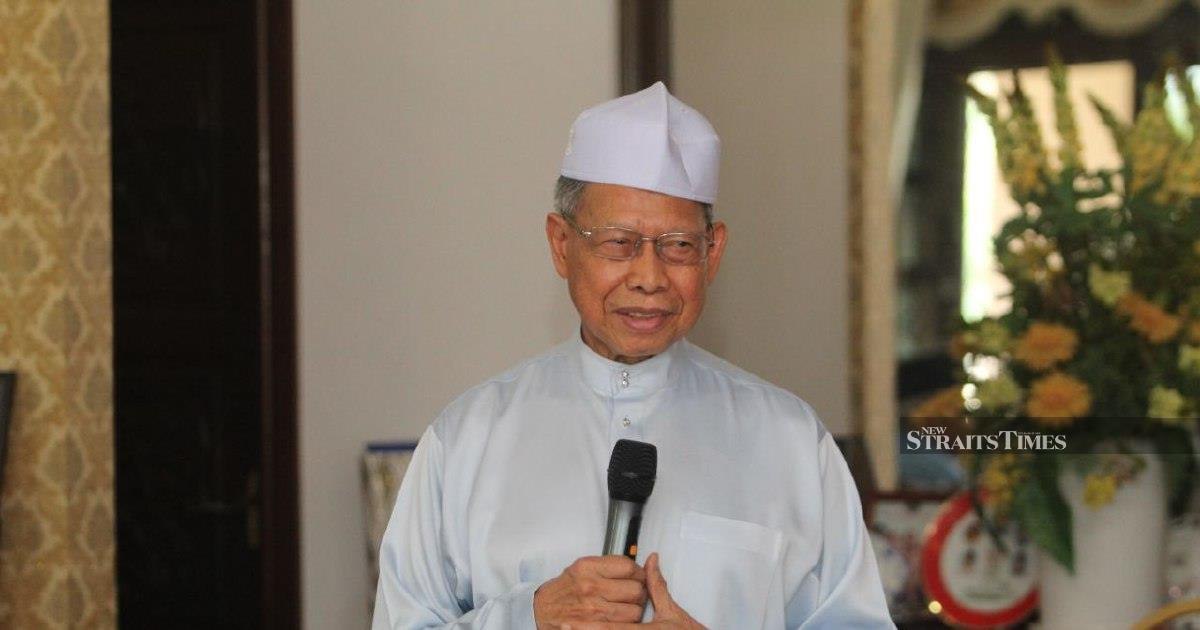
Datuk Seri Mustapa Mohamed has definitively closed the door on returning to electoral politics, announcing in his Pasir Mas constituency that he will not be a candidate in the next general election. The former Jeli member of parliament, who made a recent return to Umno after his previous departure, attributed his decision to deteriorating health that has severely limited his ability to perform the physical demands of campaigning and parliamentary work.
The veteran politician's candid acknowledgement of his condition reflects a broader reality within Malaysia's political establishment, where ageing leadership continues to shape party dynamics and electoral prospects. Mustapa Mohamed's frank assessment suggests that despite remaining engaged with party affairs following his Umno comeback, he recognizes the practical limitations that advancing age and health complications impose on active political participation. His statement carries particular weight given his long tenure in parliament and his prominence within the Umno hierarchy.
Mustapa Mohamed's decision comes at a significant juncture for Umno, which has been undergoing internal realignment and attempting to rebuild its electoral machinery after consecutive general election defeats. The party has been engaged in active succession planning at various levels, seeking to refresh its candidate roster while retaining experienced leadership in advisory and strategic roles. The withdrawal of senior figures like Mustapa Mohamed from the electoral arena indicates a generational transition taking place within the party, even as some older members maintain influential positions in party management and direction.
The announcement also underscores the evolving nature of Malaysia's parliamentary landscape, where the average age of candidates and elected representatives has become an increasingly visible concern. Political observers have noted that both Barisan Nasional and Pakatan Harapan face pressures to rejuvenate their candidate lists, though the process remains constrained by party hierarchies and the influence of entrenched leadership networks. For constituencies like Jeli and the broader Kelantan political landscape, Mustapa Mohamed's exit creates opportunities for younger figures to step forward and contest.
Mustapa Mohamed's recent return to Umno marked a significant personal and political moment, suggesting that party loyalty and identity remained central to his political worldview despite previous differences. His reaffiliation has been interpreted within party circles as a sign of reconciliation and the resolution of earlier tensions. However, his immediate clarification that electoral politics is now behind him suggests his role within Umno is primarily consultative and strategic rather than electoral, positioning him as a potential elder statesman figure within the party structure.
The timing of Mustapa Mohamed's statement also reflects broader patterns in Malaysian politics where senior figures manage their public personas and legacies during the latter phases of their careers. By announcing his decision well in advance of the general election, he has provided the party with adequate time for succession planning and candidate identification. This approach stands in contrast to some political situations where unexpected health emergencies or last-minute withdrawals create party management complications.
For Kelantan politics specifically, Mustapa Mohamed's withdrawal removes a significant incumbent presence that had held considerable sway in its electoral calculations. The Jeli constituency, which he previously represented, has been a contested battleground between Umno and opposition forces. The search for a successor candidate will likely involve negotiations within Umno's Kelantan leadership and may ultimately reflect broader strategic decisions about resource allocation and electoral viability across the state.
Mustapa Mohamed's health concerns, articulated through his observation about walking stability, represent physical manifestations of the challenges that extended political careers present to individuals who have served in parliament for many years. The demands of constituency work, parliament sessions, campaign trail activities, and party meetings exact a cumulative toll that becomes increasingly difficult to manage as politicians advance in age. His willingness to acknowledge these limitations publicly suggests a pragmatic rather than sentimental approach to his political future.
The former Jeli MP's decision carries implications beyond personal retirement, influencing calculations about Umno's electoral readiness and candidate depth in the northern states. Political analysts will monitor how the party fills the gap and whether Mustapa Mohamed's stated withdrawal signals a broader transition within Umno's Kelantan machinery or represents a more localized succession issue. His continued involvement in party matters while stepping back from electoral frontlines positions him as a potential bridge between the older and newer generations of Umno leadership.
Mustapa Mohamed's statement ultimately reflects the natural evolution of long political careers, where the balance between maintaining influence and acknowledging practical limitations shifts considerably. His decision to withdraw gracefully from electoral contention, coupled with his recent return to Umno, may allow him to exercise influence through advisory roles and party strategy without the physical and temporal burdens of campaigning. For Malaysia's broader political establishment, such transitions among senior figures remain important markers of how parties manage generational change and maintain institutional continuity while adapting to evolving circumstances.

