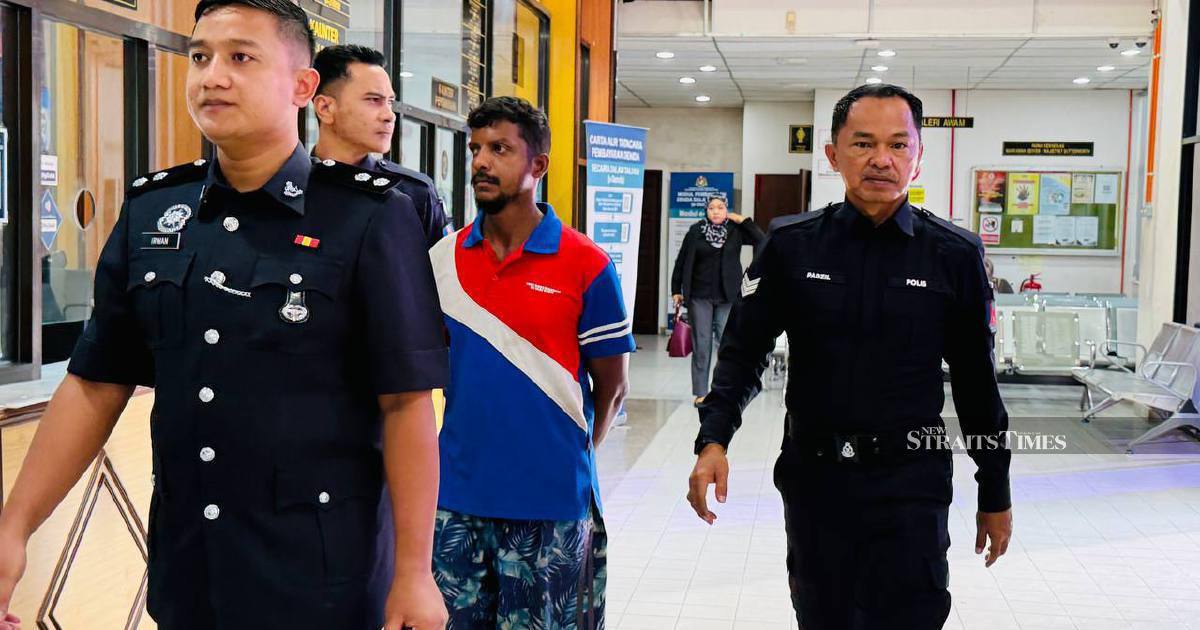
A Myanmar national made his first appearance in the Sessions Court in Butterworth on charges of causing grievous hurt to a countryman in an incident that occurred last week. The accused pleaded not guilty to the allegation, which carries significant criminal implications under Malaysian law. The magistrate handling the case declined to grant bail, opting instead to remand the suspect in custody pending the successful verification of his identification documents—a procedural requirement that underscores ongoing concerns about undocumented migrants in the country.
The incident that prompted the charge occurred within the jurisdiction of Penang, Malaysia's northernmost region on the mainland, highlighting the continued presence of cross-border issues affecting Malaysians and foreign nationals alike. Grievous hurt charges in Malaysia are serious criminal matters, distinct from simpler hurt charges and typically resulting in more substantial sentences if convictions are secured. The specifics surrounding the altercation between the two Myanmar nationals have not been disclosed, though such incidents involving foreign workers or migrants occasionally surface in Malaysian courts, reflecting the complex social dynamics around migrant communities.
The decision to withhold bail pending identity verification reflects standard procedure when dealing with foreign nationals whose documentation status remains unclear. Malaysian authorities maintain rigorous protocols around identity verification for non-citizens involved in criminal proceedings, particularly those who may lack proper travel or residence documentation. This safeguard serves multiple purposes: ensuring the accused remains available for trial, preventing potential flight risks, and maintaining records for immigration enforcement. The remand order effectively keeps the Myanmar national in detention facilities until authorities can confirm his identity through diplomatic channels or other official documentation pathways.
Identity verification for foreign nationals can prove complex and time-consuming, especially when cooperation from the suspect's home country is required. Myanmar's bureaucratic systems and the historical instability in certain regions can occasionally slow verification processes. During this period, the accused remains incarcerated at the discretion of Malaysian authorities. Such procedural delays are not uncommon in Malaysian courts when dealing with foreign suspects, and they form part of the ordinary criminal justice process rather than any exceptional measure.
The involvement of Myanmar nationals in criminal cases within Malaysia reflects broader regional migration patterns and economic dynamics. Myanmar citizens constitute a significant portion of Malaysia's foreign worker population, both documented and undocumented, and their representation in criminal statistics has periodically drawn scrutiny from law enforcement and policymakers. While the vast majority of migrant workers maintain peaceful conduct, incidents involving violence or serious hurt charges do occasionally emerge, typically resulting in criminal proceedings through Malaysian courts.
The Sessions Court in Butterworth, located in Seberang Perai district in Penang, regularly handles criminal cases involving both Malaysian citizens and foreign nationals. The court's jurisdiction covers a substantial population area and serves as an important judicial venue for the northern corridor. The decision to charge this case in the Sessions Court rather than pursue it through magistrate's courts indicates the prosecution's assessment of the severity of the grievous hurt allegations.
Malaysian law defines grievous hurt through the Penal Code, which distinguishes it from simpler hurt based on the nature and extent of injuries sustained. Injuries classified as grievous typically involve fractures, dislocation, loss of teeth, temporary or permanent loss of sight, and wounds requiring medical intervention. The threshold between simple and grievous hurt carries important consequences for sentencing and the judicial framework applied to cases. Prosecutors must demonstrate the severity of injuries as part of establishing the charge.
The remand without bail means the accused will remain in a detention facility pending trial proceedings and the completion of identification protocols. This arrangement is standard for serious criminal charges when there are concerns about flight risk or when procedural requirements remain incomplete. The duration of remand can extend over weeks or months depending on the complexity of investigations and the court's scheduling. During this period, the accused has the right to legal representation and periodic court reviews of his remand status.
For Malaysian authorities, cases involving foreign nationals accused of causing hurt to compatriots require careful handling to ensure both due process and the protection of community safety. The incident reflects ongoing challenges in managing migrant populations and preventing violence within these communities. Immigration authorities often work in parallel with criminal investigators when foreign nationals face serious charges, ensuring comprehensive record-keeping and information sharing across government agencies.
The outcome of this trial will have implications for how Malaysian courts address grievous hurt cases involving foreign nationals and may contribute to evolving jurisprudence on sentencing severity. Malaysian courts have generally maintained consistent standards for such charges regardless of the accused's nationality, though immigration status and remigration considerations sometimes feature in sentencing decisions. The case will proceed through the normal criminal justice timeline unless exceptional circumstances merit acceleration or adjournment.

