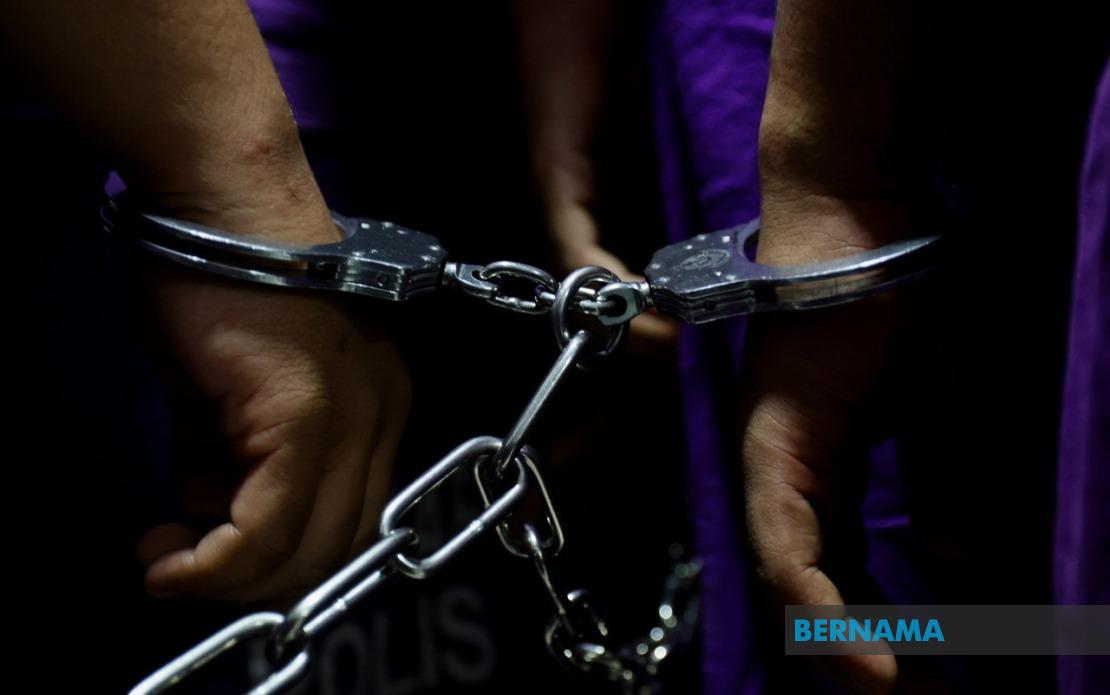
Police in Myanmar's Mandalay region have dismantled a criminal network operating across multiple gold shop robberies, resulting in the arrest of 13 suspects comprising ten men and three women. The breakthrough came through methodical investigation linking seemingly separate incidents into a coordinated criminal operation that targeted jewellery retailers across the central Myanmar region.
The investigation centred initially on a robbery at the Millionaire Gold Shop in Chanmyathazi Township on July 20, which yielded the first batch of arrests. Six men were apprehended in direct connection with this heist, while five additional individuals were detained as accomplices involved in planning or executing the theft. The swift response by local law enforcement highlighted improving coordination between police units responsible for commercial crime prevention in the densely populated commercial district.
The haul recovered from the July 20 incident substantially demonstrated the scale of the operation. Officers seized more than 42 ticals—approximately 0.7 kilogrammes—of gold jewellery alongside cash holdings, indicating the gang's focus on high-value portable assets. Beyond precious metals, investigators recovered a pistol with two accompanying magazines containing 27 rounds of ammunition, suggesting the network had prepared for potential armed confrontation during robberies. Additional items recovered included four motorcycles used for rapid transit escape, a slingshot, and 31 bolts, the latter potentially fashioned into projectile weapons or components for improvised devices.
Critical to breaking the larger criminal enterprise was the discovery during interrogation that three of the six men arrested in the July 20 case possessed direct involvement in an earlier robbery dating substantially back. These individuals had participated in the theft of the Paw Oo Gold Shop in Mahaaungmyay Township on October 30, 2023—nearly nine months before the Millionaire Gold Shop incident. This temporal connection revealed the gang operated as a long-running franchise rather than ad-hoc opportunists, suggesting sophisticated operational capabilities and established protocols for selecting targets and executing heists.
The October 2023 Paw Oo Gold Shop robbery case had previously yielded limited arrests, but the new evidence regarding the three repeat offenders opened previously dormant investigative leads. Authorities subsequently arrested two additional suspects who had directly collaborated with the three men in perpetrating the 2023 theft. This cascading investigative approach—following the thread connecting recent and historical crimes—demonstrates the value of systematic cross-referencing between separate robbery cases that law enforcement agencies sometimes operate in isolation.
The interconnected nature of these robberies carries implications for understanding organised crime networks in Myanmar's commercial centres. Rather than acting as isolated criminal entrepreneurs, members of this group repeatedly employed similar methodologies, utilised shared weapons and transport, and maintained operational relationships across months. Such patterns suggest either loose gang membership with flexible participation or a more tightly structured hierarchy assigning roles to specific individuals depending on circumstance. The presence of women among the arrested suspects indicates the network incorporated diverse demographic roles, potentially encompassing lookouts, receivers of stolen goods, or logistical coordinators rather than exclusively front-line perpetrators.
From a Southeast Asian perspective, Myanmar's gold shop robberies reflect broader patterns affecting the region's jewellery trade. Gold shops remain attractive targets because they concentrate high-value assets in accessible locations with limited security compared to banks, operate during extended business hours when foot traffic provides cover, and deal in items easily liquidated through informal channels. Malaysia has similarly contended with jewellery shop robberies, particularly in commercial hubs where rapid urbanisation has created opportunities for organised retail crime. The Myanmar case demonstrates how regional criminal networks increasingly coordinate across country borders, making transnational law enforcement cooperation essential.
Authorities have initiated formal legal proceedings against all 13 detained individuals, moving beyond preliminary investigation into prosecution phases. However, police statements emphasised that the network likely extends beyond those arrested, with investigators actively pursuing additional suspects believed complicit in the robberies or in receiving and distributing stolen merchandise. This acknowledgement suggests the 13 arrests represent the visible portion of a larger criminal infrastructure involving fences, corrupt officials facilitating transport across regional boundaries, and possibly international connections for gold smuggling.
The recovery of weapons from the arrested suspects underscores a concerning trend of gold shop criminals acquiring firearms, elevating risks for store staff and potential bystanders. Myanmar's post-2021 political instability inadvertently increased civilian firearm availability, complicating law enforcement efforts to suppress armed robbery networks. The presence of documented ammunition quantities suggests premeditated violence rather than crimes of opportunity, indicating these robberies carried genuine risk of confrontation.
For Malaysian readers and regional observers, the Myanmar case illustrates the necessity of coordinated security measures within the jewellery retail sector. Regional retailers might consider the robbers' apparent targeting methodology—selecting shops in specific townships, timing attacks during business hours—when evaluating their own vulnerability profiles. The recovery of motorcycles as getaway vehicles also reflects patterns observed in Malaysian jewellery thefts, where quick transport out of congested urban areas remains crucial to robbery success. Cross-border information sharing between Myanmar and Malaysia on robbery methodologies and suspect identities could enhance prevention capabilities across Southeast Asia.

