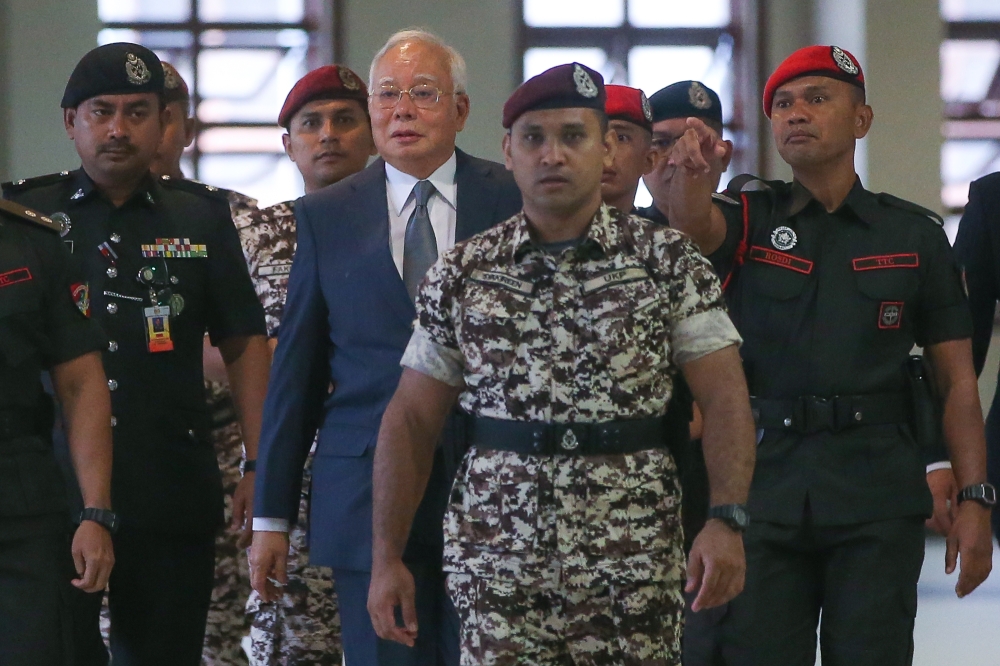
The High Court in Kuala Lumpur heard testimony that former Prime Minister Datuk Seri Najib Tun Razak repatriated approximately US$620 million after the 2013 general election, with the explanation offered being that he experienced discomfort maintaining possession of such a substantial sum. The disclosure emerged during ongoing proceedings concerning the former leader's financial dealings and wealth management practices during his tenure in office.
The testimony suggests that the funds in question were transferred back to their source following the successful conclusion of the 13th general election campaign. The characterisation of Najib's motivation as rooted in personal unease represents a notable framing within the legal context, raising questions about how such enormous financial flows were managed at the highest levels of government during that period. The circumstances surrounding the movement of these funds have become central to understanding the broader financial architecture that reportedly existed during his administration.
This revelation carries particular significance for Malaysian observers given the enduring controversy surrounding government finances and accountability mechanisms. The 2013 general election represented a critical moment in national politics, and any extraordinary financial movements during this period warrant careful scrutiny. The court's examination of these transactions reflects ongoing efforts to establish clear records of how public resources and incoming funds were handled during this transformative election cycle.
The phrase "uncomfortable holding" introduces an intriguing dimension to the narrative, suggesting that the decision to return such capital was driven by personal sentiment rather than formal procedural requirement or legal obligation. This characterisation invites examination of the decision-making processes that governed high-level financial management during Najib's premiership. It also prompts reflection on whether discomfort with holding such funds should have triggered more robust governance protocols from the outset.
For Malaysian readers and regional observers, this case illustrates how courts continue to unpick the financial architecture of the previous administration. The sheer magnitude of the sums involved—US$620 million represents approximately RM2.7 billion at typical exchange rates—underscores the scale of capital flows that apparently moved through channels connected to the highest office. Understanding the origins and intended purposes of such funds remains essential for evaluating the integrity of governance during that period.
The High Court proceedings themselves represent a crucial institutional mechanism for establishing factual clarity regarding government finances. As testimony unfolds, lawyers and judges are reconstructing the financial landscape of the 2013-2018 period, creating a formal record of how wealth flowed through official channels and private accounts. This procedural documentation serves broader purposes beyond the immediate case, contributing to a historical record of Malaysia's governance trajectory.
The return of such substantial capital after an election campaign concludes raises questions about the original source and intended allocation of these resources. Why were such funds accumulated in the first instance? What domestic or international interests did they represent? How were their repatriation arranged and executed? These underlying questions frame the significance of the court's investigation into Najib's financial practices and his explanation for managing these assets.
For Southeast Asian governance observers, this case exemplifies how legacy financial issues from previous administrations can occupy judicial attention for years after leadership transitions. The ongoing examination of Najib's wealth management during his premiership reflects a broader regional pattern wherein successor governments and independent institutions work to establish accountability for extraordinary financial movements. Thailand, the Philippines, and Indonesia have similarly grappled with comparable questions regarding resources accumulated by previous political leaders.
The timing of the repatriation—immediately following the general election—merits deeper consideration. Election cycles often coincide with unusual financial activity, whether through campaign financing mechanisms, expected rewards for political allies, or flows related to anticipated policy shifts. The decision to return such capital specifically after GE13's conclusion suggests that the funds served a particular purpose tied to the electoral process itself, though the nature of that purpose remains contested within the courtroom.
The court's ongoing examination of these transactions forms part of a larger institutional response to questions about Malaysia's financial governance and the concentration of resources within executive office. As testimony continues to emerge, it contributes incrementally to public understanding of how government finances functioned during Najib's administration. These proceedings represent a significant moment in Malaysia's democratic accountability mechanisms, establishing through formal legal processes whether extraordinary financial movements aligned with lawful governance or represented breaches of public trust.
The implications for current Malaysian governance frameworks are substantial. The scrutiny directed toward these historical transactions has prompted institutional reforms designed to enhance transparency and restrict the accumulation of unexplained resources within executive branches. Understanding how such financial flows operated under the previous administration informs debates about safeguards required within contemporary institutional architecture, particularly regarding the management of large sums that may flow through government channels during election periods or through international financial networks.

