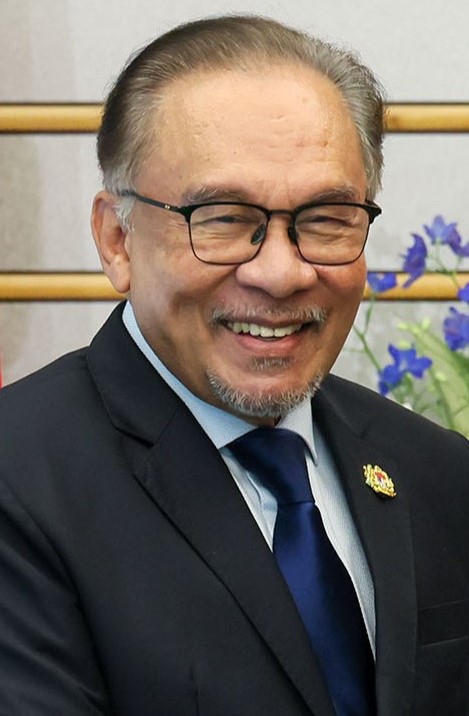
The judicial bench has concluded that former Prime Minister Datuk Seri Najib Razak displayed no genuine contrition regarding his role in the 1Malaysia Development Bhd (1MDB) scandal, instead repeatedly directing accountability towards other parties implicated in the financial malfeasance. This assessment carries significant weight in understanding the former leader's stance as he faces legal reckoning for the nation's most prominent financial crisis in recent history.
The 1MDB affair, which unfolded over nearly a decade, resulted in billions of ringgit in losses and triggered investigations across multiple jurisdictions including the United States, Singapore, and Switzerland. The scandal emerged from the misappropriation of funds within the state-owned investment fund, ultimately tarnishing Malaysia's international reputation and exposing systemic weaknesses in governance and financial oversight mechanisms. The scale and complexity of the scheme required years of investigation and litigation to unravel the web of transactions, shell companies, and offshore bank accounts that facilitated the massive outflow of public money.
Najib's approach throughout his legal proceedings has been notably defensive, with his defence team consistently emphasising his lack of direct involvement in specific transactions while acknowledging his position as chairman of 1MDB's advisory board. The former premier maintained that he was misled by others, particularly 1MDB's former chief executive officer Arul Kanda Kandasamy and fugitive businessman Low Taek Jho, also known as Jho Low. This narrative has persisted across multiple trials and appellate proceedings, yet the court's observation about his demeanour suggests his explanations have failed to resonate with the bench.
The absence of remorse, as noted by the judicial authorities, contrasts sharply with the conventional expectations in criminal proceedings where defendants typically express regret or acknowledge wrongdoing to demonstrate rehabilitation potential. Remorse is often considered a mitigating factor in sentencing decisions, as it suggests acceptance of culpability and commitment to reform. Najib's apparent unwillingness to take such a position may indicate either a genuine conviction in his innocence or a strategic calculation that maintaining his version of events serves his legal interests more effectively than concession would.
For Malaysian observers, the court's assessment reinforces concerns about accountability at the highest levels of government. The 1MDB scandal revealed how executive authority, when unchecked, can be weaponised to facilitate unprecedented financial theft. The subsequent legal process has become a test case for whether Malaysian institutions possess sufficient independence and robustness to hold powerful figures accountable regardless of their former status. The findings contribute to a growing public record examining the mechanics of high-level corruption and the erosion of institutional safeguards that preceded the scandal.
Najib's deflection of responsibility also illuminates broader questions about institutional governance within state-owned enterprises. The absence of robust oversight mechanisms allowed 1MDB to evolve from its stated purpose of driving economic development into a vehicle for massive personal enrichment. Subsequent reforms to governance structures, financial reporting requirements, and accountability frameworks have attempted to prevent recurrence of such abuses, yet concerns persist about implementation and enforcement across Malaysia's vast constellation of government-linked entities.
The court's observation carries implications extending beyond the individual case. It contributes to a documented pattern of behaviour that shapes public understanding of the scandal and its implications for governance reform. Each judicial pronouncement adds texture to the historical record of this episode, which will likely define a generation's understanding of institutional weakness and the consequences of concentrated power without adequate checks and balances. The findings also influence how future leaders and officials calibrate their own approaches to governance and accountability.
International dimensions of the 1MDB case remain relevant to Malaysia's standing globally. The involvement of foreign financial institutions, enforcement actions by American authorities, and international asset recovery efforts have collectively positioned the scandal as a cautionary tale about cross-border financial crime. Malaysia's ability to pursue domestic accountability credibly affects its diplomatic relationships and its attractiveness as a financial centre, particularly regarding commitments to combat money laundering and financial sector integrity.
The legal proceedings continue to unwind complex evidentiary questions about Najib's knowledge, authority, and decision-making authority within 1MDB's operational and governance structures. The court's assessment of his demeanour and expressed justifications constitutes one element within a broader evaluative framework encompassing documentary evidence, witness testimony, and financial transaction records. As subsequent appeals and potential retrials proceed through Malaysia's judicial system, these foundational observations regarding his apparent lack of contrition will likely remain part of the contextual understanding surrounding his culpability and sentencing considerations.
For Malaysia's ongoing institutional development, the 1MDB episode and its continuing legal consequences serve as a powerful referendum on whether the nation's democratic and judicial systems can enforce accountability across all levels of society. The former premier's legal battles represent more than a personal reckoning; they constitute a test of institutional resilience and national commitment to the rule of law. The court's findings regarding Najib's expressed attitudes toward his responsibility underscore the fundamental challenge of transforming governance culture and ensuring that power, once surrendered, remains subordinate to law and institutional oversight mechanisms.