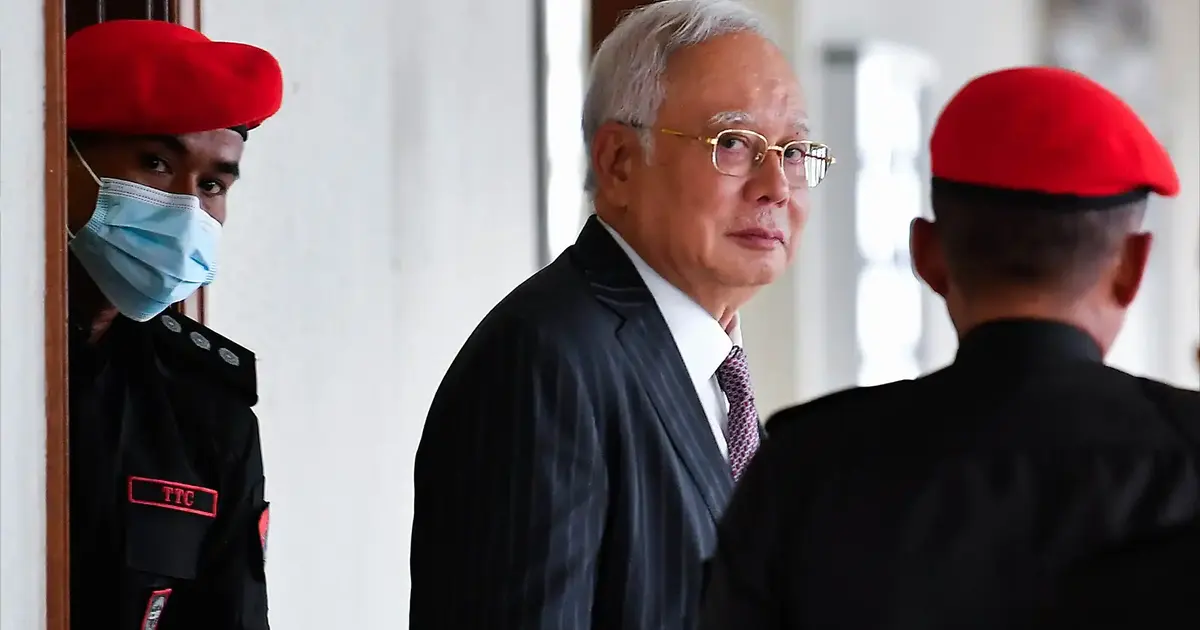
Former Prime Minister Najib Razak's defence team has launched a direct challenge to the credibility of the investigator examining the movement of $620 million in 1MDB funds, asserting that the timing and circumstances of the probe raise serious questions about independence and bias. Senior counsel Shafee Abdullah told the court that Kroll Advisory Ltd's investigations director Richard Templeman initiated his examination of the transactions roughly two months after 1MDB had already filed legal action against Najib, suggesting a narrative had been established before the formal investigation began.
The challenge represents a significant tactical shift in Najib's ongoing legal battles, moving beyond defending the substantive allegations to questioning the foundational credibility of those investigating them. Rather than merely countering the specific findings about how the funds were transferred or deployed, the defence is attempting to undermine the investigation's legitimacy by establishing that it commenced under circumstances that could suggest predetermination. This approach reflects a broader strategy increasingly common in Malaysian white-collar defence cases, where attacking investigative methodology and institutional independence can prove as valuable as refuting individual facts.
The timeline that Shafee emphasised carries considerable weight in legal proceedings. When a complaint is filed and then an investigation formally begins two months later, courts must consider whether the investigator was assigned with an open mind or whether the investigation was essentially assigned to confirm allegations already being pursued through civil litigation. The defence contends that this sequential arrangement compromised Templeman's ability to approach the evidence objectively, a concern that extends to how he evaluated and interpreted the vast documentation surrounding 1MDB's complex international financial transactions.
Kroll Advisory Ltd, the firm conducting the investigation, is known internationally for corporate investigations and forensic accounting work. The appointment of Templeman as the investigations director indicated the seriousness with which 1MDB pursued the matter, yet his involvement became controversial precisely because of questions about when his mandate truly began. These distinctions matter significantly in Malaysian courts, where the evidentiary foundation and investigative process can become as contested as the underlying facts themselves.
The $620 million in question represents a substantial sum, and tracking its movement through international banking channels requires meticulous forensic work. However, if the legal team can establish that the investigation was compromised from inception, the reliability of even scrupulously documented findings becomes questionable. This is particularly significant because 1MDB's cross-border transactions involved multiple jurisdictions and banking institutions, creating a complex web that requires truly impartial analysis to unravel fairly.
Najib's case has drawn intense scrutiny both domestically and internationally, given 1MDB's prominence as a national strategic fund and the enormous sums involved in its various transactions. The former premier has faced multiple legal proceedings concerning his role in the fund's governance and the movement of billions of ringgit. This particular challenge to Templeman's investigation represents one thread in a much larger tapestry of civil and criminal proceedings that have consumed Malaysian courts' attention for years.
The defence's emphasis on investigative timing suggests they will continue contesting not just what happened to the funds but also how thoroughly and impartially their movement has been examined. Courts must weigh Shafee's assertions against the actual quality of Templeman's investigation and whether his conclusions rest on credible evidence or were shaped by predetermined assumptions. This distinction carries implications beyond Najib's case, affecting how Malaysian courts will scrutinise investigative processes in future complex financial matters.
For Malaysian observers, the challenge illuminates persistent concerns about institutional independence and the intersection of civil litigation with forensic investigations. When corporate entities sue former officials and simultaneously commission independent investigations into those same matters, questions naturally arise about whether the investigator can remain truly neutral. These concerns resonate particularly in Southeast Asia, where corporate governance standards and investigative transparency remain subjects of ongoing refinement.
The case also highlights the difficulties inherent in pursuing accountability for massive cross-border financial misconduct. While the defence contests the investigator's independence, the underlying transactions themselves remain factually documented in banking records, wire transfers, and corporate accounts. Shafee's challenge does not necessarily deny these transactions occurred, but rather questions whether the person interpreting them did so fairly and without bias. The court must ultimately determine whether Templeman's investigation meets the threshold of impartiality required in Malaysian legal proceedings, and whether the timing and circumstances justify the defence team's concerns about prejudgment.
Moving forward, both the prosecution and defence will likely continue refining their arguments about investigative integrity while also litigating the substantive facts surrounding the fund movement. The outcome of this particular challenge may influence how future investigations into high-profile financial matters are structured and commissioned in Malaysia, establishing important precedents for investigative independence in corporate misconduct cases.

