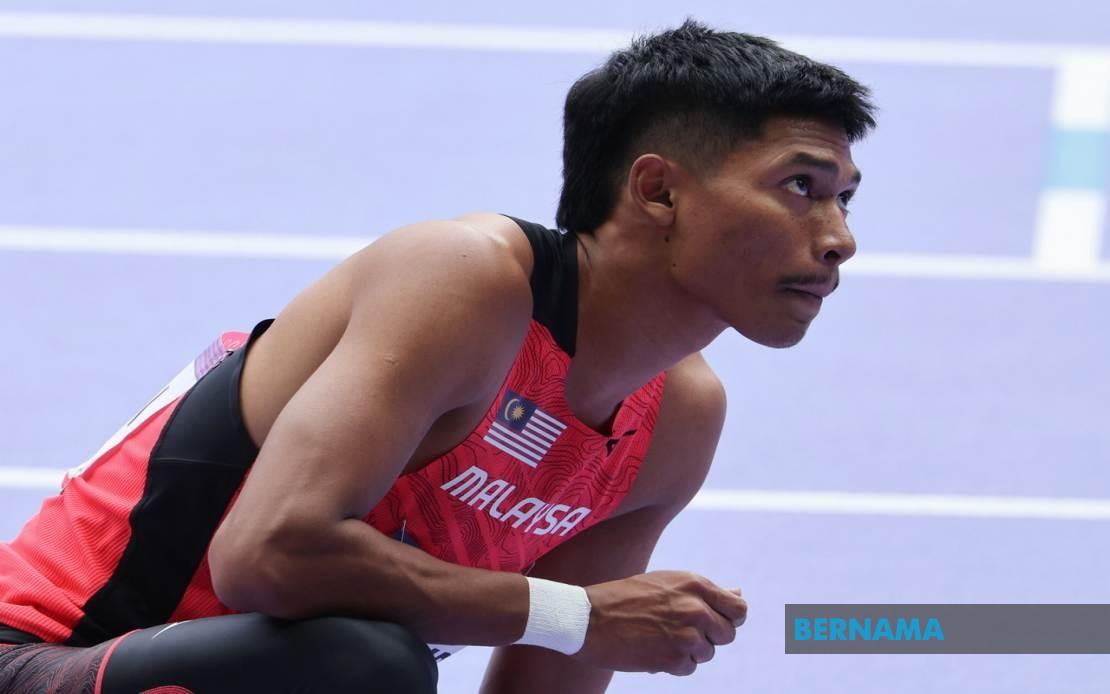
National sprinter Muhammad Azeem Mohd Fahmi has signalled his intention to remain in Malaysia and pursue his athletics ambitions domestically after completing his degree at Auburn University in the United States. The 22-year-old, who broke Malaysia's 100-metre national record with a time of 10.09 seconds, said he is eager to reconnect with loved ones after spending four years overseas and has dismissed the prospect of relocating abroad in the foreseeable future.
Azeem's decision to stay reflects a broader sentiment among young Malaysian athletes returning from overseas programmes—the recognition that family support networks and familiarity with domestic training environments play a crucial role in sustaining long-term athletic development. His comments underscore how athletes balancing international exposure with personal relationships often choose to consolidate their careers at home during critical phases of their sporting journey.
The sprinter emphasised that quality time with family, parents, siblings, coaches, and friends has been instrumental in his rise to becoming one of Southeast Asia's most promising track athletes. This acknowledgement carries significance in Malaysian sports culture, where family-centred values remain central to athlete motivation and mental wellbeing. By publicly crediting his support system, Azeem demonstrates maturity in recognising that athletic success extends beyond personal effort.
Training arrangements have been structured to maintain continuity with his American coaching expertise while establishing local daily oversight. His American coach Ken Harnden will continue designing the overall training programme, while Muhammad Amir Izwan Tan Abdullah, a local coach, will handle day-to-day supervision and adaptation to Malaysian training facilities. This hybrid coaching model has become increasingly common among Malaysian athletes seeking to balance international best practices with contextual knowledge of domestic conditions and athlete development pathways.
Azeem's commitment to remaining in Malaysia carries implications for the country's track and field programme. His presence and continued improvement could elevate domestic sprint standards and inspire younger athletes to pursue excellence at home rather than assuming that overseas-based training is mandatory for competitive success. Malaysia has historically struggled to develop world-class sprinters, making Azeem's continued presence and competitiveness domestically valuable for the sport's growth trajectory.
The athlete's decision also reflects practical considerations about training infrastructure and cost. While Auburn provided exposure to top-tier American collegiate athletics, Malaysia's improving facilities, including the Bukit Jalil National Stadium complex and various state-of-the-art training centres, now offer viable alternatives for high-level sprint development. Training domestically allows athletes to maximise resources without the financial burden of sustained overseas residence.
Azeem revealed plans to pursue postgraduate studies, though he has deliberately chosen to defer this commitment to prioritise athletic development over the next several months. This sequencing demonstrates strategic thinking about his career trajectory—consolidating athletic gains during his peak physical performance years before adding academic obligations. The approach suggests consultation with coaches and mentors about optimal timing for balancing educational and sporting ambitions.
The sprinter's 10.09-second personal best positions him competitively within Southeast Asian rankings and approaches the qualifying standards for major international competitions including Asian Championships and regional Games. Sustained training in Malaysia, particularly with continued input from Harnden's coaching methodology, could enable further improvements and expanded opportunities for international representation.
For Malaysian athletics administration, Azeem's decision signals potential stability in the men's sprint programme. The availability of a nationally competitive 100-metre runner domestically strengthens relay teams and provides a benchmark for upcoming sprinters. His willingness to work within the local coaching framework, rather than seeking permanent relocation, also demonstrates confidence in Malaysia's developing athletics infrastructure and coaching capability.
Azeem's journey reflects broader patterns in Southeast Asian sports development, where overseas education increasingly serves as a springboard for technical improvement rather than a permanent migration. The integration of international training methodologies with domestic coaching structures has become a sustainable model for developing competitive athletes across multiple disciplines in the region.
Looking ahead, the sprinter's commitment to Malaysia positions him as a potential flagship athlete for domestic athletics promotion and youth inspiration. His public emphasis on family values and gratitude to supporters resonates with Malaysian cultural expectations of athletes as ambassadors for their communities and country. Whether Azeem achieves further records or secures medals at major competitions, his decision to build his career at home carries symbolic importance for Malaysian sports aspirations.

