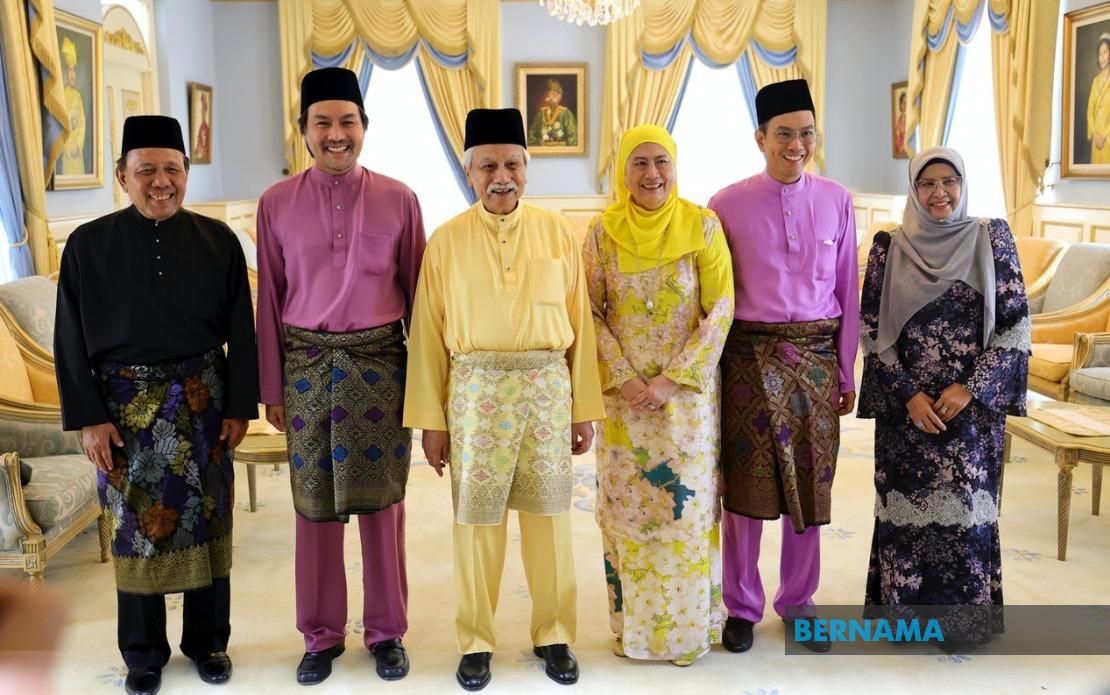
Newly appointed Menteri Besar Datuk Ismail Lasim has signalled that Negeri Sembilan's state cabinet appointments should be wrapped up by the end of this week, marking a relatively swift transition following the conclusion of the recent state elections. Speaking at his inaugural press conference after taking the oath of office at Istana Besar Seri Menanti in Kuala Pilah, the Juasseh assemblyman indicated that the procedural groundwork remains on track, though several stakeholder consultations must still occur before formal announcements can be made.
The timeline Lasim outlined reflects both the practical demands of government formation and the preferences of Tuanku Muhriz Tuanku Munawir, the Yang Dipertuan Besar of Negeri Sembilan, who has indicated a desire for the matter to be resolved expeditiously. This urgency is understandable given that delays in cabinet formation can create administrative uncertainty and send mixed signals to the public about governmental readiness. The compressed schedule also demonstrates the coalition's confidence in its electoral mandate, having secured commanding numbers in the recent polls.
Before presenting any proposed executive council composition to the ruler for approval, Lasim made clear that Barisan Nasional's leadership structure must first be consulted. This hierarchical approach reflects established protocols within Malaysia's federal system, where state-level coalition parties typically align with national party directives on significant appointments and strategic decisions. The consultation process acts as an internal check and ensures that state-level decisions remain coherent with broader party political strategies and positioning.
Crucially, Lasim indicated that he would be meeting with UMNO president Datuk Seri Dr Ahmad Zahid Hamidi in the coming days to solicit views on the executive council's composition. This discussion will also address the thorny question of whether Perikatan Nasional assemblymen should be allocated positions within the cabinet structure. Such a move would represent a meaningful gesture toward the PN coalition, which secured seven seats in the recent election, and could facilitate closer cooperation between the two coalitions in state governance.
The inclusion of PN representatives in the state executive council carries political significance beyond mere ceremonial representation. It signals a willingness to share executive responsibility and presumably access to state resources and policy influence. For PN, which has been navigating a complex position in Malaysian politics, securing cabinet representation in Negeri Sembilan could provide a tangible achievement to present to its supporters. For BN, the gesture represents an olive branch that may prove valuable in maintaining coalition stability during the five-year legislative term.
On the structural question of executive council size, Lasim expressed a preference for maintaining the existing ten-member format rather than expanding or contracting the cabinet. This conservative approach prioritises administrative efficiency and suggests Lasim's belief that the current model has proven workable. A ten-member cabinet balances the need for adequate portfolio coverage with the maintenance of a lean, focused decision-making structure. The final decision, however, remains subject to consultations with party leadership, indicating that Lasim's preference is not yet binding.
Portfolio distribution represents another layer of complexity in the cabinet formation process. Lasim indicated that such discussions would occur only after the fundamental question of cabinet membership has been settled and party leadership has weighed in. In Malaysian state politics, portfolio allocation often reflects a careful calculus of factional balance within the ruling coalition, seniority of assemblymen, technical competence, and geographic representation. Each ministry carries different prestige and resource access, making portfolio distribution a sensitive political matter.
The recent Negeri Sembilan election delivered a decisive outcome that simplified the coalition arithmetic considerably. Barisan Nasional claimed eighteen of the thirty-six contested state assembly seats, while Perikatan Nasional secured seven, granting the two coalitions a substantial two-thirds supermajority. This commanding majority provides the government with considerable legislative latitude and reduces the likelihood of defections derailing key legislation. For Lasim personally, the electoral outcome represents a strong mandate to govern, though the presence of the opposition means accountability remains an important consideration.
The Barisan Nasional coalition bringing component parties into the cabinet formation discussion reflects the formal structure of Malaysia's multi-party ruling coalition. Beyond UMNO, which dominates the composition, the Malaysian Chinese Association and Malaysian Indian Congress maintain their roles as coalition partners. While historically these component parties have held fewer and less senior positions than UMNO, their symbolic and substantive representation in state cabinets remains an important element of BN's political architecture. Their inclusion in discussions about the Negeri Sembilan executive council underscores this principle.
Lasim's emphasis on prioritising public welfare and citizen wellbeing in his administration's agenda reflects a standard political rhetorical commitment made by incoming chief executives across Malaysia. However, the immediate context of cabinet formation suggests that translating such commitments into concrete policy will depend significantly on which assemblymen receive which portfolios. Assignments to health, education, economic development, and infrastructure portfolios will ultimately determine whether Lasim's stated priorities become tangible outcomes or remain aspirational statements.
The compressed timeline for cabinet finalisation also reflects recognition that political momentum matters in state governance. Allowing uncertainty about executive positions to persist too long can generate internal coalition friction, embolden opposition voices questioning governmental stability, and delay implementation of campaign pledges. By aiming to resolve the matter within days rather than weeks, Lasim and his coalition partners are attempting to present a picture of unified, decisive leadership immediately following the polls.
Looking ahead, the composition and operation of Negeri Sembilan's new cabinet will merit close observation from both Malaysian political analysts and regional observers tracking state-level coalition dynamics. The decisions made in the coming days regarding PN representation, portfolio distribution, and cabinet size will signal whether the BN-PN partnership in the state represents a pragmatic arrangement of convenience or a more substantive political alignment. For Negeri Sembilan's 1.15 million residents, the new cabinet's actual policy performance on development, service delivery, and governance standards will ultimately matter far more than the procedural elegance of its formation.

