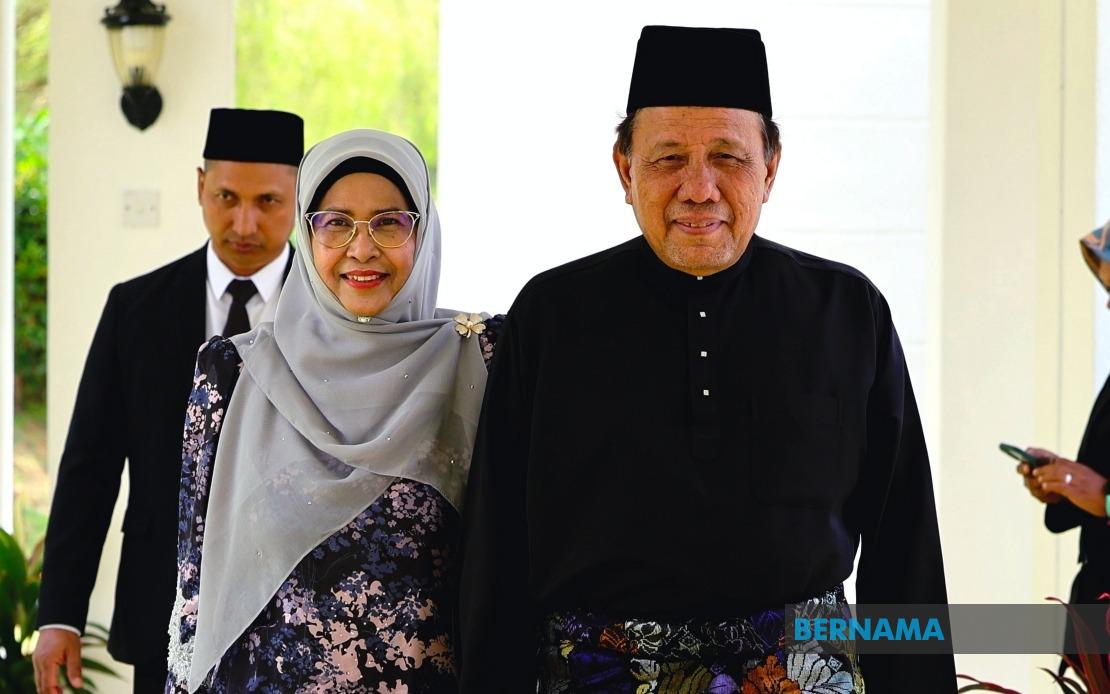
Negeri Sembilan's newly installed Menteri Besar Datuk Ismail Lasim has proclaimed August 3 an occasional public holiday in recognition of the people's role in delivering the state's recent electoral mandate. The decision, approved by Tuanku Muhriz Tuanku Munawir, Yang Dipertuan Besar of Negeri Sembilan, represents an early gesture from the state administration toward the electorate following the conclusion of the 16th state election on August 2. Ismail made the announcement during his inaugural press conference after being sworn in at Istana Besar Seri Menanti in Kuala Pilah.
The Menteri Besar acknowledged the fatigue experienced by voters and election participants throughout the campaign season, characterising the additional day off as a gesture to enable the populace to recuperate. Ismail expressed his appreciation not only to the people of Negeri Sembilan but also to the various organisations and individuals whose efforts contributed to the smooth administration of the electoral process. His remarks underscore the broader political convention in Malaysia of acknowledging collective effort following significant democratic exercises, a practice that reinforces the connection between government and citizenry.
The August 2 election delivered a decisive outcome that establishes a stable political foundation for Negeri Sembilan's next administration. Barisan Nasional captured 18 of the 36 state assembly seats, while Perikatan Nasional secured seven seats, allowing the two coalitions to jointly govern with a comfortable two-thirds majority. This configuration provides the incoming state government with sufficient parliamentary strength to pursue its legislative agenda without reliance on independent representatives or smaller parties for essential votes. The electoral dynamics reflect the coalition's combined appeal across the state's diverse constituencies.
Ismail's swearing-in ceremony at the historic Istana Besar Seri Menanti formally inaugurated his tenure as chief minister. At 67 years old, Ismail now holds responsibility for steering Negeri Sembilan's development priorities and policy implementation across critical areas including infrastructure, education, healthcare, and economic development. His elevation to the position follows the electoral verdict, confirming the coalitions' collective preference for his leadership. The appointment required formal approval from Tuanku Muhriz, a constitutional requirement reflecting the institution of the Ruler's role in state governance.
The election campaign involved intensive activity across the state's constituencies, with 103 candidates contesting the 36 available seats. This level of participation reflects the vibrancy of Malaysia's electoral process at the state level and the multiple political formations competing for voter favour. The campaign period inevitably generates exhaustion among both campaign personnel and voters navigating information about competing platforms and candidates. The decision to declare a public holiday acknowledges this reality while demonstrating sensitivity to public welfare.
For Malaysian states, the declaration of occasional holidays following major political events carries both practical and symbolic significance. Practically, it provides administrative staff and election workers with deserved rest after sustained activity. Symbolically, it signals the incoming administration's recognition of democratic participation as a valued social contribution warranting acknowledgment. Such gestures, while modest in practical impact, contribute to the broader maintenance of public trust in electoral systems and governmental responsiveness.
Negeri Sembilan's election result represents one component of Malaysia's complex federal political landscape. The state's governance outcome illustrates how coalition politics operates at the sub-national level, with Barisan Nasional and Perikatan Nasional collaborating despite maintaining separate identities and occasionally competing in other contexts. This coalition arrangement requires ongoing negotiation and coordination on policy matters, resource allocation, and ministerial appointments. Ismail's initial comments emphasise unity and collective appreciation, suggesting an intention to maintain coalition cohesion throughout the term.
The swearing-in ceremony at Istana Besar Seri Menanti carried ceremonial weight appropriate to the constitutional significance of the occasion. The venue, as the principal royal residence in Negeri Sembilan, provided the formal setting required for the constitutional process of appointing the chief executive of the state government. Such ceremonies reinforce the constitutional monarchy's role in Malaysia's governance framework, ensuring that executive power flows through proper institutional channels and retains connection to established traditions.
Moving forward, Ismail will face the practical demands of assembling an executive council, allocating ministry portfolios between coalition partners, and establishing priorities for the state administration's first term. The two-thirds majority provides flexibility for legislative action but does not eliminate the need for careful coalition management and consensus-building on contentious matters. Early statements emphasising gratitude and unity suggest Ismail intends to prioritise stability and collective purpose as foundational principles for his administration.
The public holiday declaration, while symbolic, may also generate positive sentiment that extends the goodwill associated with electoral processes. Such goodwill provides political capital that incoming administrations can deploy toward public cooperation with new policies and initiatives. As Negeri Sembilan enters a new electoral cycle, the establishment of positive relations between government and electorate from the outset may prove valuable for implementation of the incoming administration's development agenda and legislative programme across the coming years.

