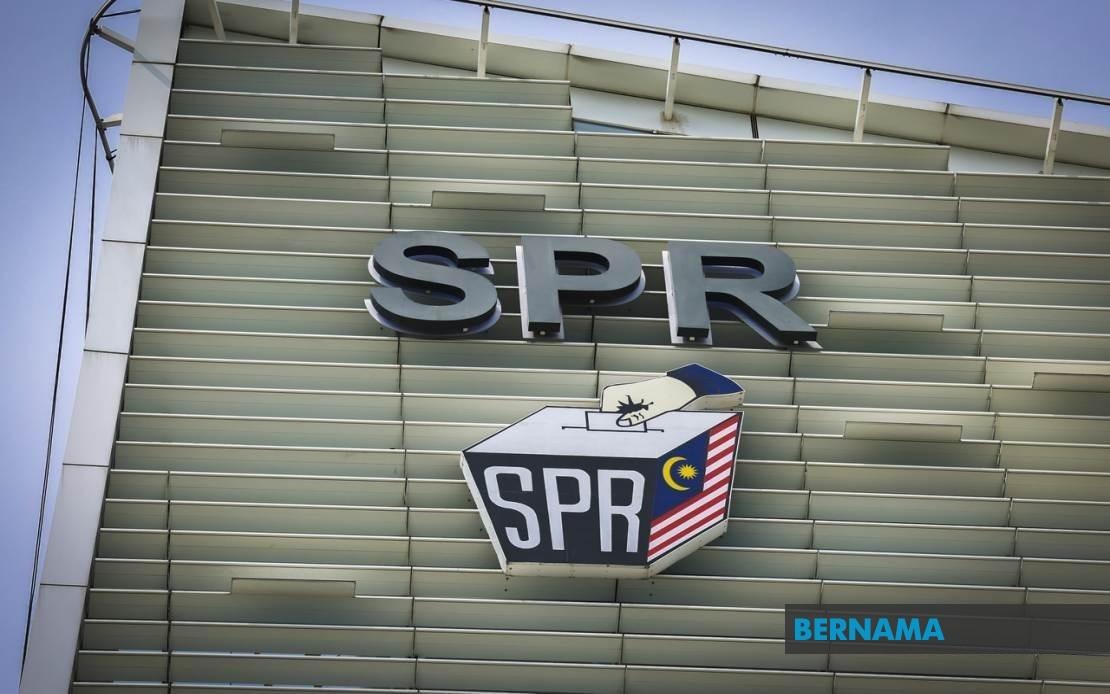
The Election Commission has begun distributing postal ballot papers for the 16th Negeri Sembilan state election, with 13,263 ballots issued on July 20 to qualified voters who are unable to cast their votes in person on polling day. The distribution follows established protocols under the Elections (Postal Voting) Regulations 2003, ensuring that various categories of essential workers and overseas citizens can still participate in the electoral process.
According to EC secretary Datuk Khairul Shahril Idrus, the postal voting exercise accommodates multiple voter groups who face genuine obstacles to attending polling stations. The largest contingent comprises 12,669 ballots distributed under Form 1A, which covers election officials directly involved in conducting the election, members and staff of the Election Commission itself, police personnel, military personnel, and accredited media practitioners. This category recognises that these individuals perform critical duties during elections that may prevent their physical presence at voting centres.
A second tranche of 343 postal ballots was issued under Form 1B to Malaysian citizens currently residing abroad who remain registered on the electoral roll. This provision enables overseas Malaysians to maintain their democratic participation without requiring them to return home for elections, addressing the practical reality that many citizens work or study internationally for extended periods. The overseas voter category represents a growing segment of Malaysia's electorate, reflecting increasing mobility and global engagement among Malaysian workers and professionals.
The third category distributed 251 postal ballots under Form 1C to officers from 11 agencies operating in the security and health sectors. These personnel work in roles deemed essential to national welfare, particularly in frontline positions that cannot be easily vacated during election periods. The specific inclusion of health sector staff carries particular significance given Malaysia's ongoing experience with emergency health situations, which may require continuous operational capacity across medical and public health institutions.
The Commission emphasised that the entire distribution process occurred transparently, with representatives from all contesting parties and independent candidates present to witness the procedure. This witness requirement serves as a safeguard against irregularities and builds public confidence that postal voting operates fairly across the political spectrum. The involvement of all competing parties underscores that postal voting, while administratively complex, enjoys broad institutional acceptance across Malaysia's political landscape.
Voters receiving postal ballots face specific procedural requirements that the EC has underscored repeatedly. Recipients must complete their Identity Declaration Form (Form 2) with full accuracy and precision, as incomplete or incorrect information could invalidate their votes. The Declaration Form serves multiple functions: it verifies voter identity, establishes audit trails, and ensures that each person votes only once across all voting methods. The EC's emphasis on accuracy reflects concerns that administrative errors, rather than deliberate fraud, constitute the primary challenge in postal voting systems.
A critical deadline constrains postal voters: all completed ballots must reach the relevant returning officers by 5 pm on polling day itself, August 1. This deadline means overseas voters must coordinate mail delivery across international postal systems, creating practical logistical challenges particularly for those in distant time zones. The tight deadline, while necessary to prevent votes cast after results become public knowledge, highlights why overseas voting remains a contentious issue requiring careful administrative coordination.
The EC has instituted specific security measures to protect voting secrecy, warning postal voters against photographing their marked ballot papers or sharing images on social media. This directive addresses a modern phenomenon where voters, particularly younger ones, attempt to document their political choices online. Maintaining ballot secrecy remains foundational to electoral integrity, preventing coercion where voters might be pressured to prove how they voted. The warning reflects the Commission's recognition that digital communication habits now pose novel challenges to traditional electoral protections.
The Negeri Sembilan election itself involves substantial electoral stakes, with 103 candidates competing for 36 state assembly seats. This competitive landscape—nearly three candidates per seat on average—indicates vigorous political engagement within the state. Early voting is scheduled for July 28, providing another avenue for voters unable to participate on polling day, though presumably with fewer procedural complexities than postal voting. The multiple voting windows reflect the EC's attempt to balance accessibility with maintaining tight controls over the voting period.
The state's registered electorate numbers 889,490 voters, a substantial contingent split across different voting categories. Of these, 867,151 are ordinary voters registered to cast ballots on polling day at their designated stations. An additional 16,884 military personnel and their spouses are registered as early voters, reflecting the long-standing provision enabling uniformed services personnel to vote before the official election date. Police personnel numbering 5,455 similarly access early voting facilities, recognising the security demands that may prevent their attendance on the standard polling day.
This election occurs within Malaysia's broader political context of coalition-building and state-level competition. Negeri Sembilan has historically been a competitive state politically, with power contested between major coalitions. The postal voting distribution, though seemingly technical, intersects with genuine representation questions: ensuring that all eligible voters can participate regardless of their occupation or location strengthens the democratic legitimacy of whatever government emerges. The Election Commission's meticulous attention to postal voting procedures reflects understanding that electoral integrity depends on consistent, transparent administration across all voting methods.
The upcoming election demonstrates how Malaysian electoral administration has evolved to accommodate modern circumstances while maintaining safeguards developed over decades. Postal voting, once exceptional, now represents a standard feature of elections as society becomes more mobile and complex. The procedures governing postal voting—witness requirements, deadline structures, secrecy measures—represent attempts to balance competing democratic values: accessibility, security, transparency, and finality. The August 1 election will test whether these systems function effectively in practice, offering lessons potentially applicable to future national and state elections across the federation.

