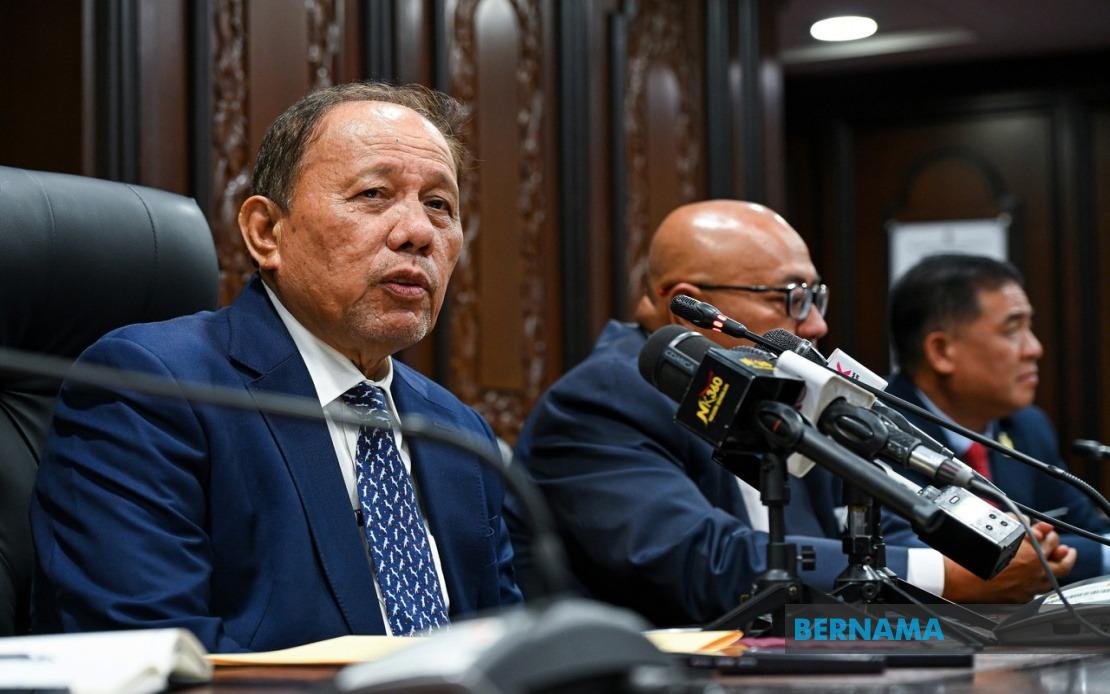
Negeri Sembilan residents will face no increase in residential assessment tax over the next five years, the state government announced, marking a relief measure as local authorities across Malaysia grapple with revenue pressures and competing demands for public services. Menteri Besar Datuk Ismail Lasim made the announcement following the State Executive Council's first meeting, signalling the new administration's commitment to honouring campaign pledges made during the recent state election.
The freeze represents a significant departure from the trajectory that appeared likely mere months ago. The state's local authorities were preparing to implement assessment tax hikes scheduled for either January or July of this year—a move that would have placed additional financial strain on homeowners already contending with rising living costs and mortgage obligations. By intervening to prevent those increases, the state government is essentially absorbing the revenue gap that would have materialised from the higher tax rates, choosing to prioritise household affordability over augmented municipal income.
Ismail framed the decision as part of a broader Barisan Nasional election manifesto commitment specific to Negeri Sembilan. This positioning underscores how property taxation—ostensibly a technical municipal matter—has become increasingly central to electoral politics in Malaysian states. As property ownership remains a cornerstone of household wealth and financial stability for many middle-class voters, tax burdens on residential properties have become touchstone issues that parties must address in order to maintain electoral credibility.
The assessment tax itself will remain in place, Ismail clarified, meaning the state is not abolishing the levy but merely preventing its upward movement. This distinction matters significantly for municipal revenue streams. Local authorities depend on assessment tax revenue to fund essential services including waste management, street maintenance, water supply infrastructure, drainage systems, and municipal administrative functions. By holding the line on rates while presumably maintaining service delivery expectations, the state government is implicitly committing to finding alternative revenue sources or achieving greater operational efficiency.
For Malaysian homeowners, particularly in Negeri Sembilan's rapidly urbanising areas, the freeze offers budgeting certainty and protection against one category of household expense fluctuation. Those with properties across multiple jurisdictions, however, will continue to experience variable assessment tax regimes depending on which local authority their properties fall under—a reminder of how fragmented Malaysia's municipal taxation landscape remains despite broader economic integration.
The announcement carries implications beyond Negeri Sembilan's borders. As other state governments face mounting pressure to demonstrate responsiveness to cost-of-living concerns, similar assessment tax freezes may become increasingly common political tactics, particularly in states approaching electoral cycles. This trend could create emerging financing gaps in municipal services across several states, potentially leading to deferred infrastructure maintenance or service quality erosion if alternative funding mechanisms are not promptly implemented.
Ismail indicated that the state administration would emphasise collective responsibility and portfolio-specific leadership among Executive Council members. His emphasis on dedication, integrity, professionalism, and commitment suggests an administration keen to project competence and avoid the pitfalls of earlier governance periods. The framing of executive performance in terms of alignment with state government direction indicates a hierarchical approach to administration, with portfolio holders expected to cascade policy directives through their respective departments and agencies rather than operate independently.
The state's legislative calendar is now firmly established. The 16th Negeri Sembilan State Legislative Assembly will hold its inaugural sitting on August 18, marking the formal commencement of the new administration's parliamentary cycle. This first session carries ceremonial and procedural significance: all state assemblymen must be sworn in, the Speaker and Deputy Speaker positions will be formalised, and an additional budget will be tabled to address urgent financial requirements facing the state.
Particularly noteworthy is the decision to appoint the Speaker from outside the legislative assembly membership. This approach differs from the more common practice in Malaysian state assemblies, where speakers are typically drawn from the government's backbench membership. By recruiting an external appointee, Negeri Sembilan is signalling an intention to enhance the Speaker's independence and institutional standing, potentially positioning the role as a more impartial arbiter of parliamentary process. The Deputy Speaker position, conversely, will be filled by an incumbent assemblyman, maintaining the conventional practice of retaining at least one senior parliamentary position within legislative ranks.
Ismail has already identified the Deputy Speaker candidate internally, with a public announcement anticipated in the coming week. The Speaker selection remains under consideration, suggesting the government is still evaluating candidates or negotiating with potential external appointees. These appointments carry significance beyond ceremonial functions; they shape parliamentary dynamics, determine who presides over debates, and influence the tone of legislative proceedings during the government's mandate.
The additional budget to be tabled at the August 18 sitting reflects immediate financial pressures requiring legislative authorisation. State governments across Malaysia frequently require supplementary budgets to address unforeseen expenditures, emergency infrastructure needs, or commitments made during election campaigns. Negeri Sembilan's budget requirement underscores the fiscal realities facing state administrations, which must balance campaign promises—such as the assessment tax freeze—against genuine financial constraints and competing spending priorities across health, education, infrastructure, and social welfare portfolios.
The convergence of the assessment tax freeze with the state's inaugural legislative session creates a narrative arc demonstrating a new administration simultaneously delivering on electoral mandates while commencing the practical work of governance. The months ahead will reveal whether Negeri Sembilan can sustain service quality levels while managing the revenue implications of the assessment tax freeze, and whether other state governments will follow suit in seeking to provide property tax relief to increasingly cost-conscious voters across Malaysia.

