A resident of Negeri Sembilan has been taken into police custody following allegations that he made inflammatory remarks targeting the state's royal institution through an online post. The arrest underscores the continued sensitivity surrounding comments about Malaysia's monarchy and the legal boundaries that govern public discourse on such matters in the country.
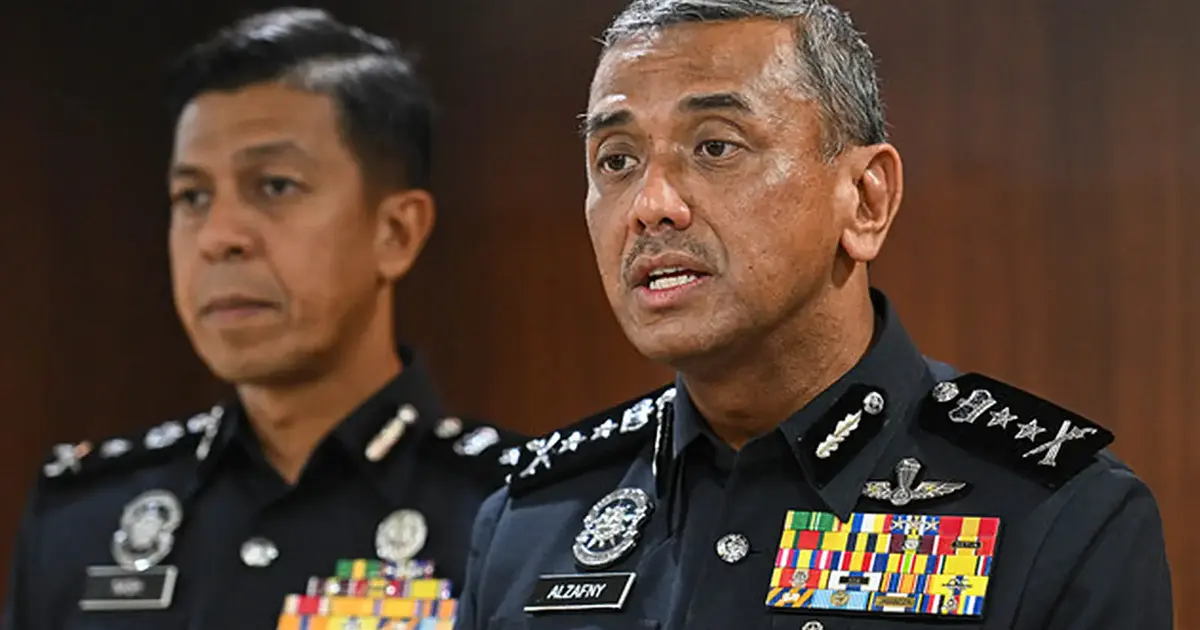
According to Alzafny Ahmad, the state's top police officer, the individual's mobile phone was secured during the arrest as part of the investigation into the alleged offence. The seizure of the device is a standard procedure when authorities are investigating cases involving digital evidence, particularly those related to social media content. The handset will be examined to gather information pertinent to the case.
The incident reflects the broader landscape of online speech regulations in Malaysia, where laws protecting royal institutions remain strictly enforced. Various statutes, including provisions relating to sedition and defamation, can be applied to individuals who make statements deemed disrespectful towards the monarchy or state rulers. Such cases have periodically surfaced across Malaysia as digital platforms have become increasingly central to public communication.
Negeri Sembilan, as a state with its own reigning ruler, maintains distinct protocols regarding matters of royal protocol and respect. The Duli Yang Maha Mulia Yang di-Pertuan Besar Negeri Sembilan holds significant ceremonial and constitutional importance within the state's governance structure. Legal protections surrounding the dignity of this office remain a priority for state authorities.
The arrest comes at a time when Malaysian authorities have demonstrated heightened vigilance regarding online content. Digital platforms have transformed the nature of potential offences, making it necessary for law enforcement agencies to develop expertise in investigating internet-based cases. Police departments across the country have increasingly invested in cybercrime units and digital investigation capabilities.
From a legal standpoint, the case will likely be examined under existing Malaysian legislation governing public order and respect for institutions. The courts have previously addressed comparable situations, and legal precedents guide how such matters are adjudicated. Prosecutors will need to establish that the allegedly offensive content meets the threshold required to constitute a criminal violation rather than merely representing controversial speech.
The broader implications for Malaysian internet users are noteworthy. This arrest serves as a reminder that the protections afforded to traditional speech do not automatically extend to digital platforms in Malaysia's legal framework. Individuals engaging in online discussions must remain cognisant of legal restrictions, particularly when addressing sensitive topics related to the monarchy or state institutions.
For Negeri Sembilan residents and the wider Malaysian public, the incident highlights the intersection between digital freedoms and legal constraints. While Malaysia has made strides in internet adoption and digital innovation, the legal environment governing online expression remains complex and subject to varying interpretations. What constitutes insulting or disrespectful content versus legitimate criticism or commentary can be contested terrain.
The police investigation will determine whether the social media post in question violated applicable laws. Authorities will examine the specific language used, the context of the post, the intended audience, and other relevant factors in assessing whether a criminal offence occurred. The outcome of this case may provide additional clarity on how Malaysian law applies to online commentary about royal figures.
This development also carries implications for social media platforms operating in Malaysia. These companies face ongoing pressure to balance user expression with compliance with local laws and regulations. The arrest may prompt some individuals to exercise greater caution when posting on platforms like Facebook, Twitter, and Instagram, particularly regarding subjects that intersect with sensitive institutional matters.
For observers of Malaysian legal and political affairs, such cases underscore the nation's particular approach to balancing freedom of expression with protection of revered institutions. Unlike some democracies with broader latitude for criticism of symbolic figures, Malaysia maintains a more restrictive framework reflecting its constitutional and cultural values regarding respect for the monarchy.
The investigation's progression will be monitored closely by civil liberties advocates, media observers, and legal commentators. Different stakeholders hold varying perspectives on how robustly laws protecting royal dignity should be enforced and whether digital-age considerations should influence their application. This case will contribute to the ongoing dialogue surrounding these complex issues.

