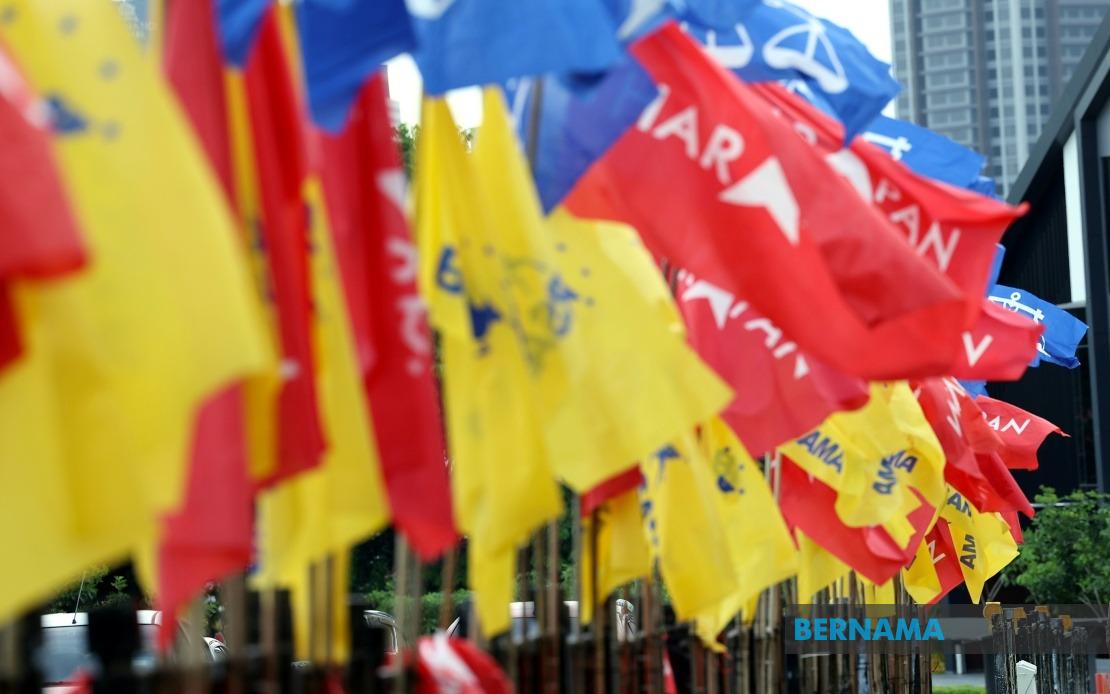
The Negeri Sembilan police force has cleared 19 applications for political ceramah and campaign-related gatherings as the state gears up for its legislative assembly elections scheduled for August 1. The permits were granted after applicants met all necessary conditions, according to a statement from Negeri Sembilan police chief Datuk Alzafny Ahmad on July 19.
The approval process reflects the balance law enforcement agencies must strike during election periods—permitting democratic participation while maintaining public order. Each approved event will remain subject to police oversight to verify compliance with electoral regulations and ensure safety standards are upheld throughout the proceedings. The police chief emphasised that this ongoing monitoring framework applies universally across all approved activities, regardless of which political party or coalition conducts them.
The security landscape surrounding the 16th Negeri Sembilan State Election has remained notably stable thus far. Police have lodged only a single report related to the election period, and no formal investigation files have been opened concerning electoral offences. This suggests campaign activities have largely adhered to established rules of conduct, though the election period is far from concluded. The relatively clean record so far stands in contrast to some past state and federal election cycles, which occasionally witnessed heated confrontations or regulatory breaches.
Datuk Alzafny Ahmad reinforced the police department's commitment to maintaining order throughout the remainder of the election cycle. The force intends to boost preparedness levels, expand surveillance capabilities, and intensify enforcement actions across all electoral jurisdictions. This three-pronged approach aims to address potential violations swiftly and consistently, applying the same standards regardless of which political entities are involved. The police chief made clear that any breaches of election law would face firm, impartial action grounded in established procedures.
The Negeri Sembilan State Legislative Assembly, which comprises 36 seats, was dissolved on June 5 by the state government. The Election Commission subsequently scheduled early voting for July 28 and polling day for August 1, compressing the campaign period into a relatively brief window. This compressed timeline means campaign organisers have had limited weeks to plan, secure permits, and execute their outreach strategies. The early voting date allows essential workers, security personnel, and others unable to vote on polling day an opportunity to cast ballots.
For Malaysian political observers, the Negeri Sembilan contest carries broader regional significance. Results here may offer insights into voter sentiment that could influence political calculations ahead of a potential federal election. The state has historically been a three-cornered battleground between established coalitions, and demographic shifts and economic conditions since the last election may reshape voter priorities. Campaign messaging across the state has emphasised development trajectories, cost-of-living concerns, and governance efficiency—issues resonating across Malaysia's electoral landscape.
The police's public appeal for lawful behaviour and cooperation represents standard practice during elections, yet it underscores the shared responsibility framework that democratic processes require. Citizens are encouraged to participate actively while respecting legal boundaries, and to facilitate police operations on the ground. This framing positions election officials and law enforcement not as obstacles to democracy but as necessary guardians of its integrity. The emphasis on peaceful, harmonious conduct reflects Malaysia's broader commitment to electoral stability despite competitive political contestation.
Police resource allocation for election management involves personnel deployment across polling stations, campaign venues, and potential flashpoints. Coordination between federal law enforcement, state police units, and the Election Commission requires meticulous planning to prevent clashes or disruptions. The approval of 19 permits implies police have assessed venue capacities, crowd management capabilities, and proximity to sensitive facilities, recommending modifications where necessary. Each approved event represents a calculated judgment about manageable risk levels.
The permit approval process itself demonstrates institutional mechanisms designed to accommodate political expression within frameworks protecting broader public interests. Political parties and candidates expecting to hold multiple ceramah or roadshows must navigate application procedures, demonstrate organisational capacity, and commit to specified conduct standards. This bureaucratic process, while sometimes viewed as cumbersome by participants, establishes clear expectations and creates documentary records useful for accountability. The 19 approvals suggest organisers have largely followed prescribed pathways rather than attempting unauthorised gatherings.
Looking toward August 1, continued police vigilance during the final campaign week and polling day itself will be essential. Election day typically sees heightened tension as results approach, and monitoring efforts must extend to vote counting centres and result announcement venues. Any irregularities in vote management, intimidation at polling stations, or post-result disturbances could undermine confidence in electoral integrity. The relatively peaceful environment so far suggests campaigns have avoided inflammatory rhetoric or confrontational tactics that might provoke security incidents.
For Negeri Sembilan residents, the election represents an opportunity to reshape state governance according to collective preferences. Voters across the 36 constituencies will decide which coalition and individual representatives receive mandates for the next term. The police's role, while essential for maintaining order, remains deliberately neutral regarding political outcomes. Citizens observing campaign events and preparing to vote should remain mindful that electoral rules, including permit requirements and conduct standards, exist to protect democratic space rather than constrain it.

