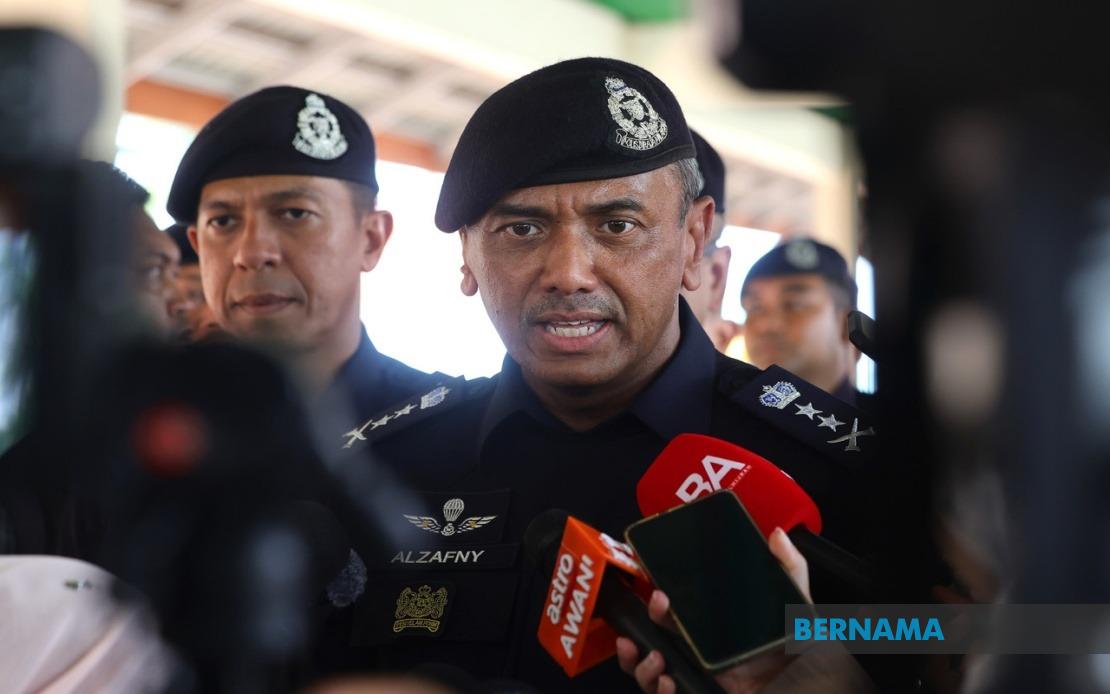
The candidate nomination process for Negeri Sembilan's 16th state election proceeded without disruption across eight polling centres on July 18, according to authorities who credited disciplined public participation and robust security deployment. State police chief Datuk Alzafny Ahmad reported that all contesting parties' supporters adhered to police directives throughout the morning and midday nomination sessions, maintaining orderly conditions at each venue.
Party supporters turned out in substantial numbers, with attendance varying significantly across districts. Jempol emerged as the nomination centre drawing the largest crowd, attracting approximately 2,500 supporters from competing parties, whilst Kuala Pilah recorded the lowest participation, drawing around 1,000 individuals. The remaining six nomination centres each hosted between 1,000 and 2,500 supporters, demonstrating statewide engagement with the electoral process. This variation in turnout may reflect population distribution across Negeri Sembilan's administrative divisions and the relative competitiveness of contests in different districts.
The peaceful conduct of nomination day reflected substantial police investment in crowd management and security infrastructure. A total of 2,373 police officers and personnel were stationed across all nomination centres to maintain order, manage traffic flows, and prevent any potential disturbances. This deployment underscores the police's commitment to ensuring that the electoral machinery functions without interruption, a critical component of Malaysia's democratic framework. The absence of reported incidents suggests that this policing strategy achieved its intended objectives, allowing candidates to register formally without confrontation or chaos.
Beyond managing nomination day itself, police authorities took the opportunity to issue stern guidance to candidates regarding acceptable conduct during the forthcoming campaign period. Datuk Alzafny emphasised that campaign activities must scrupulously avoid touching on the country's sensitive touchstones: religion, royalty, and race—commonly referred to as the 3Rs. This prohibition reflects Malaysia's constitutional and social constraints, designed to protect communal harmony in a multireligious, multiethnic society where such topics carry particular volatility.
Candidates were specifically warned against deploying rhetoric laden with provocation, incitement, or slanderous accusations that could ignite intercommunal tensions or foster racial discord. The police's framing of this guidance emphasised a positive approach: campaigns should centre on articulating each party's distinctive strengths and policy platforms rather than generating divisive messaging capable of unsettling the public. This messaging indicates police determination to prevent the electoral contest from deteriorating into a vehicle for stoking societal divisions, a concern that periodically surfaces during Malaysian electoral cycles.
Beyond content restrictions, law enforcement reminded candidates of their legal obligations regarding conduct in everyday activities during the campaign period. A specific example cited involved helmet-wearing requirements when riding motorcycles through villages and residential areas. Whilst this regulation ostensibly relates to road safety rather than electoral conduct per se, it exemplifies the breadth of compliance obligations extending across candidates' public activities during election season, reinforcing that electoral norms penetrate daily life.
Co-operation between police and the Election Commission represents another governance layer designed to safeguard electoral integrity. Authorities confirmed that monitoring teams comprising representatives from both institutions had been established to oversee the campaign period and ensure universal compliance with applicable regulations and directives. This joint approach distributes oversight responsibilities and creates mutual accountability mechanisms, reducing the likelihood of breaches escaping detection.
The Negeri Sembilan state election assumes particular significance within Malaysia's federal framework as a barometer of sentiment in a strategically located state. The state's political direction influences broader national coalitional dynamics and can signal emerging voter preferences across demographic segments. Consequently, the smooth execution of nomination procedures—a foundational electoral process—carries implications extending beyond the state's immediate borders, as observers nationwide monitor patterns of political competition and public engagement.
The Election Commission has established a clear electoral timeline with early voting scheduled for July 28 and polling day set for August 1. This compressed schedule concentrates campaign activities into a two-week window, intensifying political activity but also limiting the campaign's duration. Candidates must therefore calibrate their messaging and outreach strategies within this constrained timeframe, whilst simultaneously adhering to conduct guidelines enforced by monitoring authorities.
For Malaysian readers and Southeast Asian observers, the Negeri Sembilan nomination day's peaceful outcome reinforces the operational capacity of Malaysia's electoral institutions to manage competitive electoral processes despite their complexity. Yet the extensive police guidance on acceptable campaign messaging also reflects persistent governmental concern about electoral rhetoric's potential to destabilise communal relations—a reality that distinguishes Malaysian electoral politics from purely electoral-procedural considerations, instead intersecting deeply with constitutional protections of sensitive national symbols and identities.

