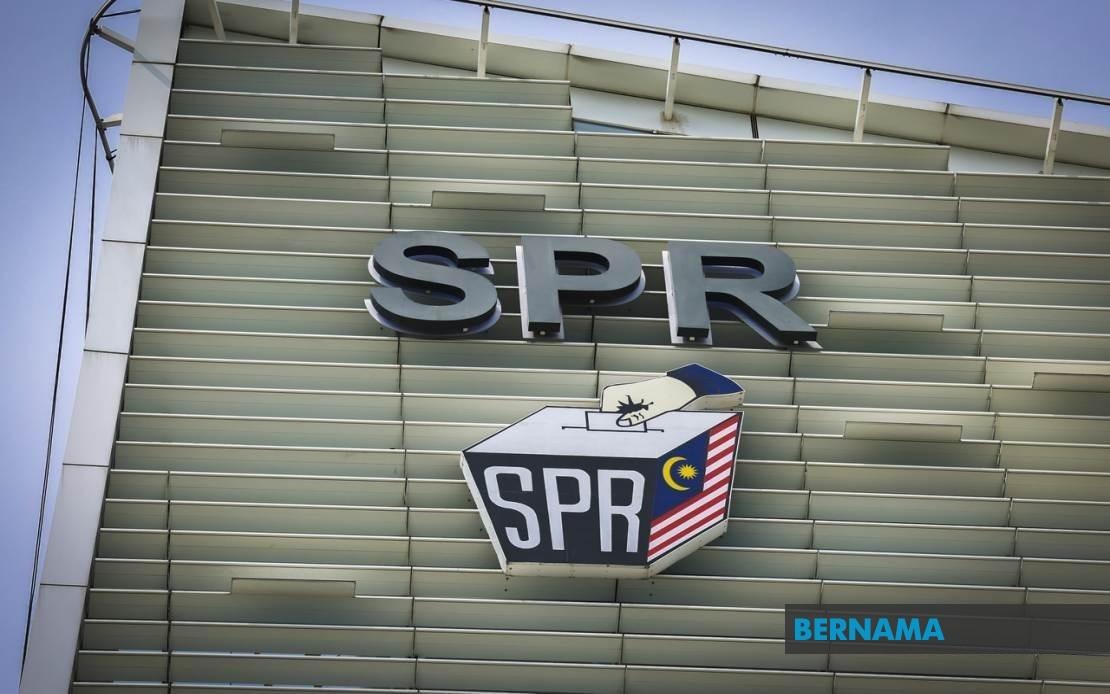
The electoral machinery for the 16th Negeri Sembilan State Election will spring to life tomorrow, July 18, when nomination day opens the formal campaign window ahead of polling on August 1. Eight nomination centres across the state will process candidate papers from 9 am to 10 am, after which returning officers will announce the final roster of contenders eligible to contest the 36 state constituencies. This marks the beginning of a critical 14-day campaign period that will determine the composition of the Negeri Sembilan State Legislative Assembly.
The state has become an important electoral battleground within Malaysia's broader political realignment. With 889,490 eligible voters—comprising 867,151 ordinary voters alongside 16,884 military personnel and their families and 5,455 police officers and their spouses—the election carries sufficient magnitude to influence national coalition mathematics. Early voting is scheduled for July 28, providing logistics flexibility for security personnel and their dependents unable to vote on the main polling day.
Pakatan Harapan will contest every single seat in the state, fielding an ideologically diverse slate spanning its three component parties. The coalition fields 16 candidates from PKR, 11 from DAP, and nine from Amanah, representing the full breadth of its reformist, secular, and Islamic social democrat wings. This comprehensive approach underscores PH's confidence and strategic commitment to regaining ground lost in recent political turbulence.
Barisan Nasional, the traditional governing coalition, is taking a more measured approach by fielding candidates in only 25 of the 36 constituencies. Its lineup comprises 16 UMNO candidates, seven from MCA, and two from MIC, reflecting both the dominant Malay component's strength and the proportionally diminished representation of the coalition's minority-based parties. This selective fielding strategy suggests pragmatic resource allocation and perhaps acknowledgment of demographic realities in certain constituencies.
Perikatan Nasional's participation reveals the complexity of Malaysia's contemporary opposition landscape. The Islamist-nationalist coalition will contest 11 seats with five candidates from PAS, one each from Gerakan and the Malaysian Indian People's Party, and notably four from Parti Wawasan Negara, which is making its electoral debut as PN's newest component party. This diversification signals PN's ambition to broaden its appeal beyond its core Islamic voter base, though the limited number of contested seats suggests selective targeting of winnable constituencies.
Bersatu's decision to contest independently while remaining technically within Perikatan Nasional highlights the fractious nature of Malaysian opposition coalitions and the persistent tension between central discipline and party autonomy. The party plans to unveil its candidate list imminently, operating under its own party symbol rather than the unified PN logo, demonstrating that even within ostensibly aligned groupings, individual parties jealously guard their organisational identity and electoral brand.
Smaller parties and debutants round out an increasingly fragmented electoral field. Parti Orang Asli Malaysia and Parti Sosialis Malaysia will each field single candidates, while Parti Barisan Jemaah Islamiah Se-Malaysia is expected to present seven candidates. Notably, MUDA, Pejuang, and Bersama have chosen not to contest, suggesting either resource constraints or strategic calculation that Negeri Sembilan does not present propitious conditions for establishing a foothold.
The electoral commission has issued practical guidance to candidates regarding nomination procedures, emphasising the importance of advance document verification at either the returning officer's office or state election office to prevent last-minute administrative obstacles. Election deposit payments should be made promptly, with receipts brought when submitting nomination papers, ensuring candidates navigate the bureaucratic requirements smoothly during the compressed nomination window.
Weather presents a minor operational consideration for the nomination process. The Malaysian Meteorological Department forecasts generally pleasant conditions across most of the state on Saturday morning, though Port Dickson and Seremban—both significant population centres—face rain prospects. Afternoon thunderstorms are anticipated state-wide, potentially affecting candidate campaigning logistics and public movement between nomination centres.
The current election represents a competitive rematch with recent history. In the 2023 Negeri Sembilan state election, Pakatan Harapan secured 17 seats, providing a working majority, while Barisan Nasional captured 14 seats and Perikatan Nasional won five seats. These results suggest a relatively balanced three-way contest, with PH's slim majority vulnerable to any significant swing. The intervening period has witnessed considerable political volatility nationally, including coalition realignments, defections, and shifting voter sentiment on governance and economic management.
The Negeri Sembilan State Legislative Assembly was dissolved on June 5 following the consent of Tuanku Muhriz Tuanku Munawir, the Yang Dipertuan Besar, setting in motion the constitutional sequence leading to tomorrow's nomination day. This dissolution concluded a legislative term marked by various governance challenges and shifting factional dynamics within the ruling coalition.
For Malaysian observers and regional analysts, the Negeri Sembilan contest carries implications extending well beyond the state's borders. As a mid-tier state election involving all three major coalition blocs, it provides revealing data about electoral momentum, voter sentiment on key issues, and the sustainability of current political alignments heading toward potential federal elections. The diversity of candidates and parties competing signals that Malaysian democracy continues to accommodate multiple political expressions, even as it grapples with questions of coalition stability and governmental effectiveness that will shape the nation's political trajectory.

