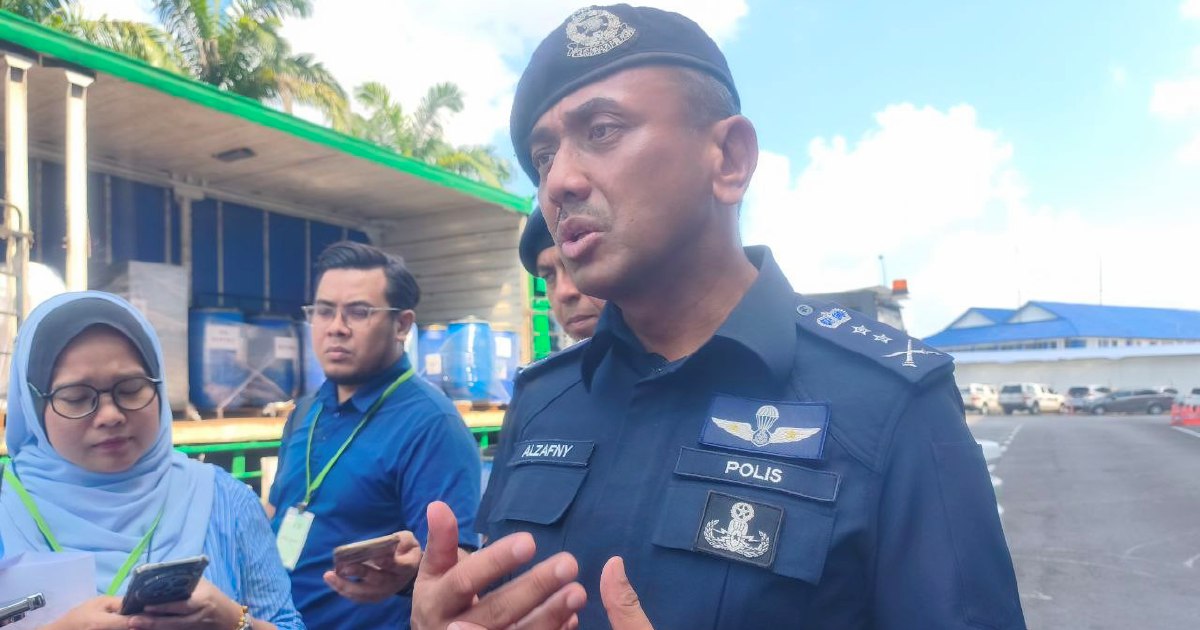
Police authorities in Negri Sembilan have greenlit the overwhelming majority of campaign permits submitted by political parties and candidates preparing for the state's imminent 16th general election. From a total of 276 applications lodged between July 18 and the present day, officers have granted approval to 253 activities ranging from public political talks to door-to-door canvassing operations. The high approval rate suggests that most applicants have complied with the established guidelines for electoral campaigning, though the force has simultaneously launched investigations into nine separate matters related to potential violations of state election regulations.
The permitting process represents a critical checkpoint in Malaysia's electoral framework, designed to balance political parties' freedom of expression with public order and security considerations. In Negri Sembilan's case, the 91.7 per cent approval rate indicates that registration procedures and campaign planning have largely adhered to official requirements. Applications that were declined or remain pending likely involved logistics or timing conflicts, venues deemed inappropriate for public gatherings, or incomplete documentation rather than deliberate attempts to circumvent regulations. The remaining 23 applications represent a small minority and their status—whether approved subsequent to the reporting period, rejected, or still under consideration—underscores the ongoing administrative work required to manage large-scale electoral activity.
The parallel launch of nine investigations demonstrates that authorities are maintaining vigilance against electoral misconduct even as the vast majority of campaigning proceeds without incident. These probes appear to target activities falling outside the permit framework or breaching the conduct standards expected of political participants. Such investigations might encompass allegations of unauthorised campaign materials, violations of campaign finance rules, intimidation of voters, or other contraventions of the Election Offences Act. The existence of multiple simultaneous inquiries suggests a systematic rather than sporadic approach to enforcement, potentially signalling to political participants that oversight remains active despite the permissive permitting environment.
For Malaysian observers, the Negri Sembilan situation illustrates how state election administration operates in practice. Electoral management in Malaysia occurs at both federal and state levels, with each state police force responsible for maintaining order during campaigns within their jurisdiction. The Negri Sembilan exercise reflects protocols that apply similarly across the peninsula, making developments there relevant to understanding how future state elections—in Selangor, Perak, Pahang, and elsewhere—will be administered. The balance struck between enabling democratic participation and enforcing regulatory compliance remains contentious, with civil society groups often questioning whether permit requirements and investigations are applied even-handedly across all competing parties.
The timeframe for this campaign phase—spanning from July 18 until the publication date—suggests the election date falls within a predictable window, allowing political organisations to schedule activities efficiently. Permit applicants have had adequate notice to plan events, arrange venues, and coordinate with law enforcement. The compressed timeline of campaign season, typically lasting three to four weeks in Malaysian elections, means that the first few days of permitting often set the tone for the entire election period. A smooth initial phase, as suggested by the high approval rate, tends to normalise the process and reduce friction between authorities and campaigning parties.
The nine ongoing investigations warrant closer scrutiny, particularly regarding whether they are distributed proportionally among competing parties or concentrated on specific political groupings. Transparency in electoral enforcement has become increasingly important in Malaysian political discourse, especially given historical concerns about perceived bias in how regulations are applied. Civil society organisations and opposition parties frequently scrutinise police conduct during campaigns, questioning whether infractions by government-linked campaigns receive the same investigative attention as those allegedly committed by opposition groups. The Negri Sembilan police would benefit from public disclosure of which parties or candidates are subjects of investigation and the specific allegations involved, though such transparency often remains limited until matters reach prosecutorial or judicial stages.
From a practical standpoint, the permit issuance pattern suggests that most political organisations understand and comply with filing procedures. The submission of 276 applications within a defined period indicates robust campaign activity across the state, reflecting genuine competition and voter engagement. Multiple parties submitting numerous permit applications for overlapping dates and venues creates logistical challenges for police, who must coordinate crowd management, traffic control, and security across various simultaneous events. The fact that 253 permits have been granted despite these complexities demonstrates administrative competence, though not necessarily uniformity in how similar applications from different parties were assessed.
The implications for Negri Sembilan's broader election dynamics are worth examining. A state election unfolds not solely through polling day itself but through the intensity and ubiquity of campaign presence. Permits granted for campaign activities determine where, when, and how extensively parties can mobilise voters. The high approval rate means that all major competing interests have been accommodated in the campaign calendar, potentially resulting in a level playing field—at least in terms of venue access and scheduling opportunities. However, the actual deployment of resources, volunteer availability, and media coverage remain unequally distributed among parties regardless of permit availability.
Looking ahead, the nine active investigations will likely yield outcomes during the election period itself or shortly thereafter. Depending on their severity, concluded cases could result in fines, permit cancellations, or criminal charges filed against specific individuals or party representatives. Such outcomes will provide clearer insight into whether investigations have been applied impartially. International election observers, if deployed to Negri Sembilan, typically assess not only voting-day procedures but also the pre-election environment, including campaign freedom and enforcement consistency. Their observations on police conduct and electoral administration during this permitting phase will contribute to broader assessments of electoral integrity in the state and the country more widely.

