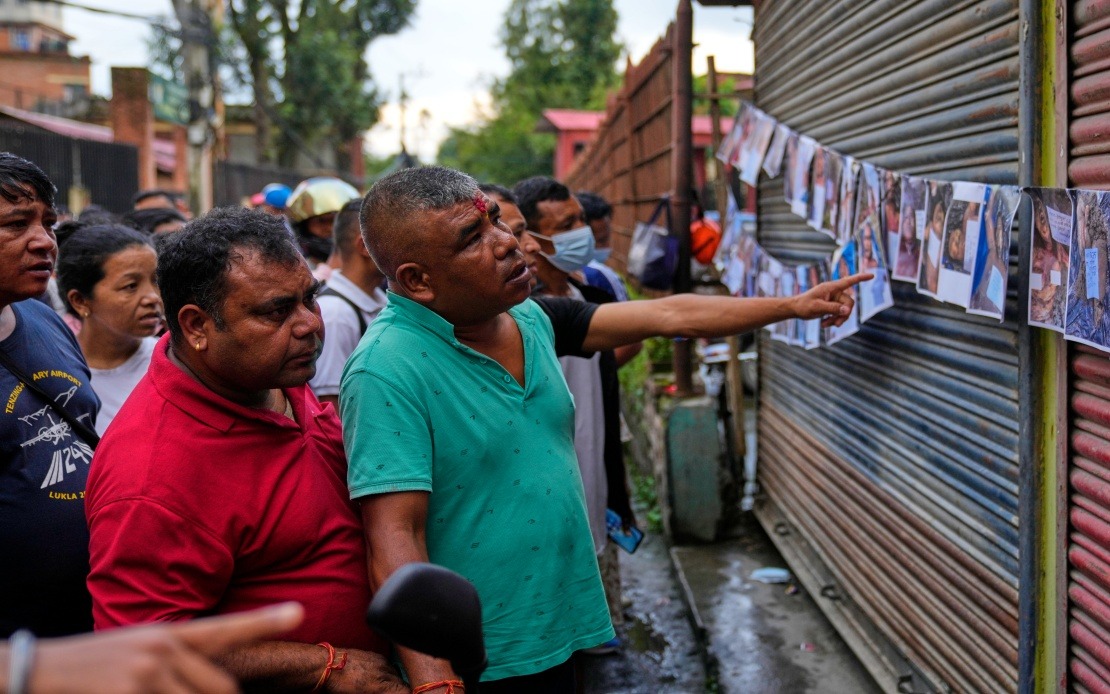
The catastrophic flooding that struck Nepal's northern territories has claimed more than 500 lives, with rescue operations now in their third consecutive day as authorities grapple with one of the region's worst natural disasters in recent years. The scale of the humanitarian crisis has prompted swift diplomatic engagement from Malaysia, which is actively working to verify the safety of its citizens caught in the disaster zone while exploring options for humanitarian intervention.
As of Friday afternoon, Malaysian authorities had confirmed the location of two of 57 nationals previously reported as missing following the disaster in Rasuwa district, leaving 55 others still unaccounted for. The Foreign Ministry's Deputy Secretary-General for Bilateral Affairs, Datuk Syed Mohamad Hasrin Tengku Hussin, cautioned that these figures remain provisional pending further cross-verification with Nepalese authorities and relevant agencies on the ground. The challenge of confirming the status of individual nationals highlights the operational difficulties faced by both countries in communicating across a disaster zone where infrastructure has been severely compromised.
Nepal's tourism department had released a comprehensive list on Thursday evening documenting 537 foreign nationals from more than 30 countries believed to be out of contact following the flooding. This roster, published by the Department of Tourism under Nepal's Ministry of Culture, Tourism, and Civil Aviation, included 51 Malaysian citizens among the missing. The list contained personal details including names, ages, nationalities, and information about the travel agencies that had organised their trips—critical data for relatives and government agencies attempting to locate missing persons across a sprawling disaster area.
The catastrophe unfolded with frightening speed on Wednesday morning when a massive glacial collapse in the Himalayan range triggered a sudden and violent surge through the Bhote Koshi and Trishuli river systems. The wall of water and debris devastated communities along the Rasuwa district's northern border region, destroying roads, bridges, and buildings as it swept downstream. The flood's destructive power was magnified as it entered the Trishuli River system, where it continued to carry away people, vehicles, and structures while cutting off access to affected communities. The scale of physical destruction extends far beyond the initial impact zone, with secondary effects continuing to disrupt the region.
The recovery operation itself presents extraordinary logistical challenges. Nepalese authorities reported that 121 foreign nationals had been rescued from the inundated region, though notably none have been identified as Malaysian citizens so far. Bodies and human remains are continuing to surface in districts located far downstream from the initial flood zone, complicating identification efforts and overwhelming the capacity of local morgues. The authorities face a dual crisis of managing the deceased while simultaneously conducting search operations for the missing, with some areas experiencing acute shortages of mortuary facilities to process victims.
Malaysia's response has been coordinated through multiple government channels, with the National Security Council maintaining direct contact with the Nepalese government to determine what form of assistance would be most effective. Prime Minister Datuk Seri Anwar Ibrahim indicated that Malaysian support could encompass both financial contributions and the possible deployment of specialist personnel, including the Malaysian Special Search and Rescue Team (SMART), which has extensive experience in international disaster response operations. The decision on whether to dispatch rescue teams depends on both the needs identified by Nepalese authorities and the operational feasibility of deploying Malaysian personnel in an active disaster zone.
For Malaysian readers and government officials, the unfolding situation underscores several sobering realities about travel to mountainous regions during certain seasons. Rasuwa district, positioned along Nepal's northern border, has become an increasingly popular destination for Malaysian trekking and adventure tourism groups. The glacial collapse that triggered this disaster represents a geological hazard that can strike with minimal warning, making it a particular concern for adventure travel operators and independent travellers planning expeditions in the Himalayan region. The concentration of 51 Malaysian nationals in the affected area at the time of the disaster suggests that multiple tour groups were operating in the vicinity when conditions deteriorated.
The broader implications for Southeast Asian engagement with Nepal are significant. Nepal's tourism sector represents a vital revenue stream for the country, and the scale of this disaster will inevitably prompt discussions about safety protocols, emergency preparedness, and insurance requirements for international tourist groups. Tour operators across Malaysia and the wider region will likely face increased scrutiny regarding their pre-trip briefings and contingency planning, particularly for groups undertaking high-altitude or geologically sensitive trekking expeditions. The Foreign Ministry's ongoing efforts to ascertain the status of Malaysians in affected areas will inform policy discussions about travel advisories and country-specific risk assessments.
The disaster also highlights the importance of maintaining robust consular networks and real-time communication channels during international crises. Malaysia's experience in accounting for its nationals during this emergency will provide valuable lessons for future disaster response protocols, particularly regarding coordination with host country authorities in countries where communications infrastructure may be compromised. The verification process currently underway, which involves cross-checking information from multiple sources including Nepalese agencies and travel operators, demonstrates the multi-layered approach required to confirm the status of individuals scattered across a large disaster zone.

