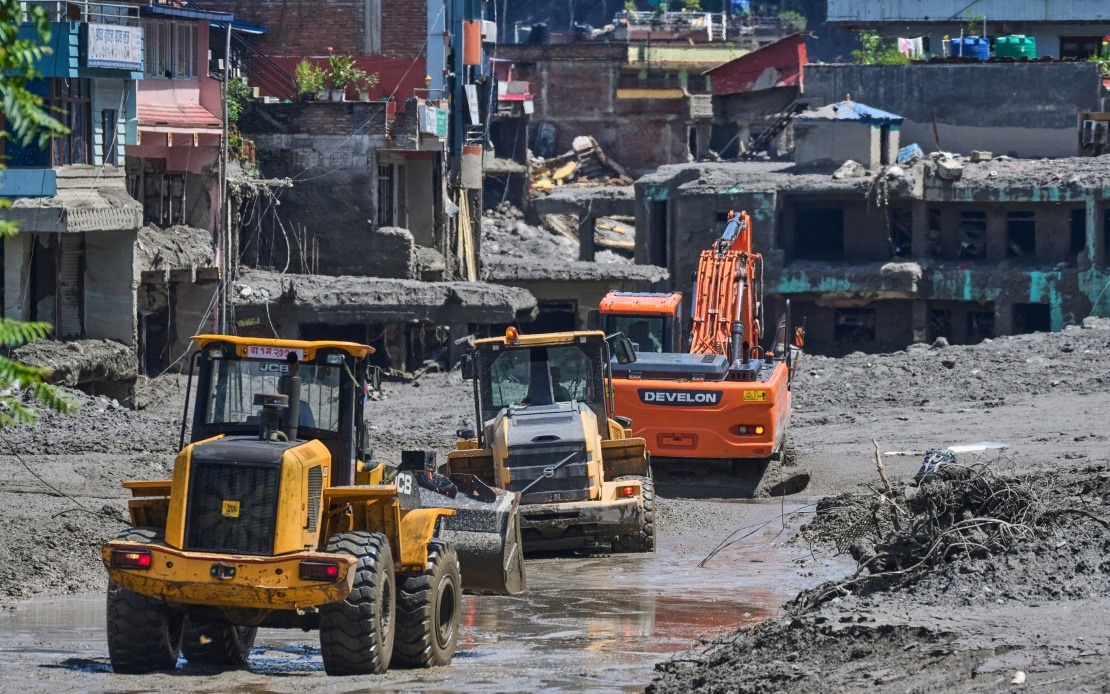
The Nepalese government has mobilised comprehensive emergency response mechanisms following a catastrophic flooding event in the Bhote Koshi River that unfolded on Wednesday, with authorities signalling their commitment to search and rescue operations in the immediate aftermath. According to a statement issued by the Embassy of Nepal in Kuala Lumpur on Thursday, the crisis has triggered significant casualties and widespread destruction of homes and critical infrastructure across multiple districts in central Nepal.
The flooding has disproportionately impacted four districts in the region: Rasuwa, Nuwakot, Dhading and Gorkha. Each of these areas has experienced considerable loss of life alongside the destruction of both residential properties and essential infrastructure. The scale of devastation has necessitated a coordinated government response involving multiple agencies and emergency services tasked with locating survivors, providing urgent humanitarian aid, and documenting the full scale of human and material losses from the disaster.
The Office of the Prime Minister and Council of Ministers has launched a direct public appeal seeking financial contributions from individuals, private enterprises, civil society organisations, and philanthropic donors. This initiative reflects the magnitude of the reconstruction challenge facing the affected communities, where resources will be needed not only for immediate emergency response but also for the longer-term rehabilitation and resettlement of displaced populations. The government has positioned financial aid as crucial for enabling vulnerable populations to relocate safely and rebuild their lives in the post-disaster phase.
For Malaysian-based Nepali citizens and diaspora organisations, the Nepalese Embassy has specifically appealed for financial support channelled through official government relief mechanisms. This targeted outreach to the Malaysian Nepali community highlights the interconnected nature of migration networks and the role diaspora communities play in disaster response efforts across South Asia. Many Nepali workers employed in Malaysia have family and social ties that extend across the border, making their participation in relief efforts both emotionally meaningful and economically consequential for affected households.
The government has established dedicated financial pathways for contributions, designating two primary beneficiary accounts within Nepal's banking system. The Prime Minister's Disaster Relief Fund and Prime Minister's Relief Fund, both operated through Rastriya Banijya Bank and Nepal Bank Limited, serve as official repositories for emergency assistance. The provision of multiple account numbers and associated QR codes through the embassy's social media channels reflects efforts to streamline the donation process and reduce friction for diaspora contributors seeking to send money rapidly to affected regions.
This banking infrastructure demonstrates how formal government channels have evolved to facilitate rapid capital flows during humanitarian crises. The dual-account system across two major Nepali banks allows donors greater flexibility while ensuring funds channel through verified, transparent institutional mechanisms. For Malaysian donors of Nepali heritage or those motivated by regional humanitarian concerns, this structure provides confidence that contributions reach intended beneficiaries rather than being diverted through informal or potentially unreliable channels.
The Bhote Koshi River disaster carries particular significance for Nepal's disaster management profile within the region. The country's geography exposes it to multiple natural hazards including monsoon-driven flooding, which strikes during predictable seasonal windows each year. The concentration of damage across Rasuwa, Nuwakot, Dhading and Gorkha districts suggests the river system's geographic position channels massive precipitation volumes from high-altitude catchment areas into valleys where human settlements cluster along riverbanks.
From a Southeast Asian perspective, Nepal's repeated exposure to flood disasters illustrates the climate vulnerability facing mountainous regions across the broader Indo-Pacific zone. As climate patterns intensify extreme weather events, Nepal faces escalating humanitarian demands that often exceed domestic resource capacity. International support from diaspora communities, neighbouring countries, and bilateral development partners has become an integral component of Nepal's disaster response architecture, underscoring the cross-border nature of humanitarian challenges in contemporary South Asia.
For Malaysia specifically, the appeal demonstrates how naturalised citizens and migrant worker populations maintain active engagement with homeland crisis response despite geographic distance. The Embassy's decision to channel appeals through social media platforms and provide detailed banking information reflects modernised diplomatic practice, enabling rapid mobilisation of diaspora resources. Malaysian-based Nepali professionals, entrepreneurs, and workers represent an economic asset to their adopted country while maintaining humanitarian commitments to their country of origin.
The government's emphasis on long-term rehabilitation rather than solely immediate relief signals recognition that post-disaster recovery extends across years, not weeks. Rebuilding homes, restoring agricultural land, reconstructing schools and health facilities, and reestablishing livelihoods requires sustained financial commitment. Appeals to the diaspora thus acknowledge that initial emergency response must transition into sustained reconstruction funding, a reality that shapes how Nepali communities in Malaysia may calibrate their contributions across both immediate and extended timeframes.
Security agencies and civil authorities continue operating in challenging conditions to identify missing persons and assess infrastructure damage systematically. The coordination between law enforcement, disaster management authorities, and local administration reflects Nepal's experience managing multiple previous flood events. This institutional knowledge, while valuable, cannot fully mitigate the immediate human tragedy unfolding in affected districts or the longer reconstruction burden facing vulnerable populations displaced by the catastrophe.

