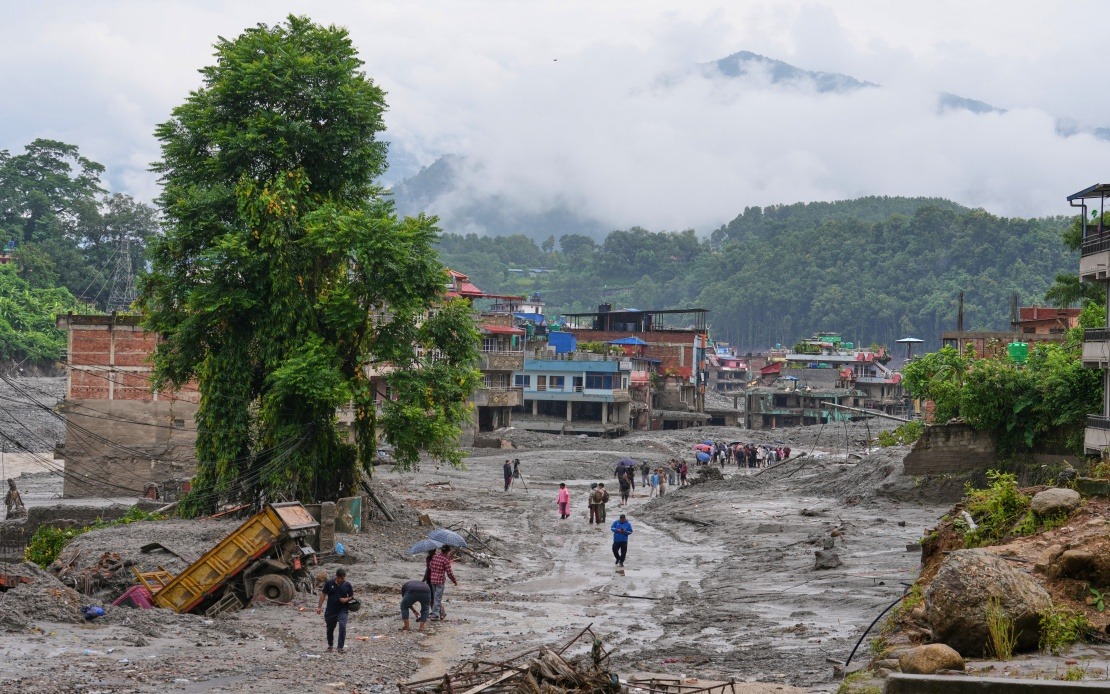
Nepal faces an escalating humanitarian crisis following catastrophic mudslides that have claimed at least 675 lives, according to the country's National Disaster Risk Reduction and Management Authority. The grim death toll, confirmed as of Saturday evening, underscores the severity of the geological disaster that has ravaged mountainous districts and displaced thousands. With nearly 2,500 people still reported missing, rescue operations continue under challenging conditions as authorities mobilise resources across affected regions.
The scale of the tourism sector's impact has become increasingly apparent, with the Department of Tourism confirming that 753 visitors have lost all contact with the outside world. Among this group, 589 are foreign nationals who were visiting Nepal for trekking, cultural tourism, or business purposes when the disasters struck. This figure represents a significant concern not only for individual nations whose citizens are unaccounted for but also highlights the vulnerability of Nepal's tourism-dependent economy, which relies heavily on international visitor spending and is now facing disruptions to its reputation as a safe destination.
Three districts have emerged as the primary disaster zones, with Rasuwa, Nuwakot, and Dhading bearing the brunt of the destruction. These mountainous regions, situated in central Nepal, are particularly susceptible to mudslides during monsoon season when heavy rainfall destabilises steep terrain and triggers cascading geological events. The geographic concentration of casualties suggests that rescue teams face significant logistical challenges in reaching isolated communities, where infrastructure damage and blocked mountain passes have hindered humanitarian access and complicated casualty assessments.
In response to the unfolding catastrophe, authorities in Kathmandu have initiated an emergency relief campaign. The Kathmandu District Administrative Office released an urgent public notice on Saturday appealing to businesses, civil society organisations, educational institutions, and private citizens to contribute supplies to support survivors. This call for collective action reflects the enormous scale of immediate humanitarian needs, including food, medical supplies, temporary shelter, and sanitation facilities required to address the crisis in the three affected districts.
The disaster highlights the complex challenges that Nepal confronts as a mountainous nation vulnerable to climate-related hazards. The monsoon season, which brings essential rainfall for agriculture, simultaneously increases the risk of landslides and mudslides across the country's rugged terrain. Climate scientists have noted that warming temperatures and changing precipitation patterns may be intensifying the frequency and severity of such events, though direct attribution remains complex. For Nepal, this reality presents an ongoing dilemma between economic development needs and disaster preparedness investments.
The international dimension of this crisis carries implications beyond Nepal's borders. The substantial number of foreign tourists caught in the disaster will likely trigger diplomatic engagement and potential coordination among multiple nations in search and rescue efforts. Regional neighbours, particularly India, often provide disaster assistance, and the presence of foreign victims may accelerate international support mobilisation. Additionally, the incident will almost certainly influence travel advisories and tourism bookings, affecting not only Nepal but potentially other Himalayan destinations perceived as high-risk.
For Malaysia and Southeast Asian nations, this tragedy serves as a potent reminder of the region's shared vulnerability to natural disasters. Many Southeast Asian countries face similar monsoon-driven hazards, and the Nepali experience underscores the importance of robust early warning systems, community preparedness programmes, and infrastructure resilience planning. Malaysia's own experience managing monsoonal flooding and the region's exposure to various geological hazards make this a cautionary case study for disaster management officials across ASEAN.
The missing persons figure of 2,498 remains particularly troubling, suggesting that final casualty numbers may rise substantially as rescue operations progress and missing person reports are cross-referenced and verified. Many individuals may be trapped in remote areas where communication infrastructure has been damaged, or their disappearance may only be confirmed through systematic family tracing efforts. The uncertainty compounds the humanitarian challenge and prolongs the anxiety of relatives worldwide who remain without confirmation of their loved ones' fates.
Recovery and reconstruction will likely occupy Nepal's attention and resources for months ahead. Beyond the immediate emergency response phase, the nation faces daunting tasks in debris removal, damaged infrastructure rehabilitation, livelihood restoration for affected communities, and psychological support for survivors. The international community's sustained engagement beyond the acute crisis phase will be critical to supporting Nepal's rebuilding efforts and helping vulnerable communities enhance their resilience to future disasters.

