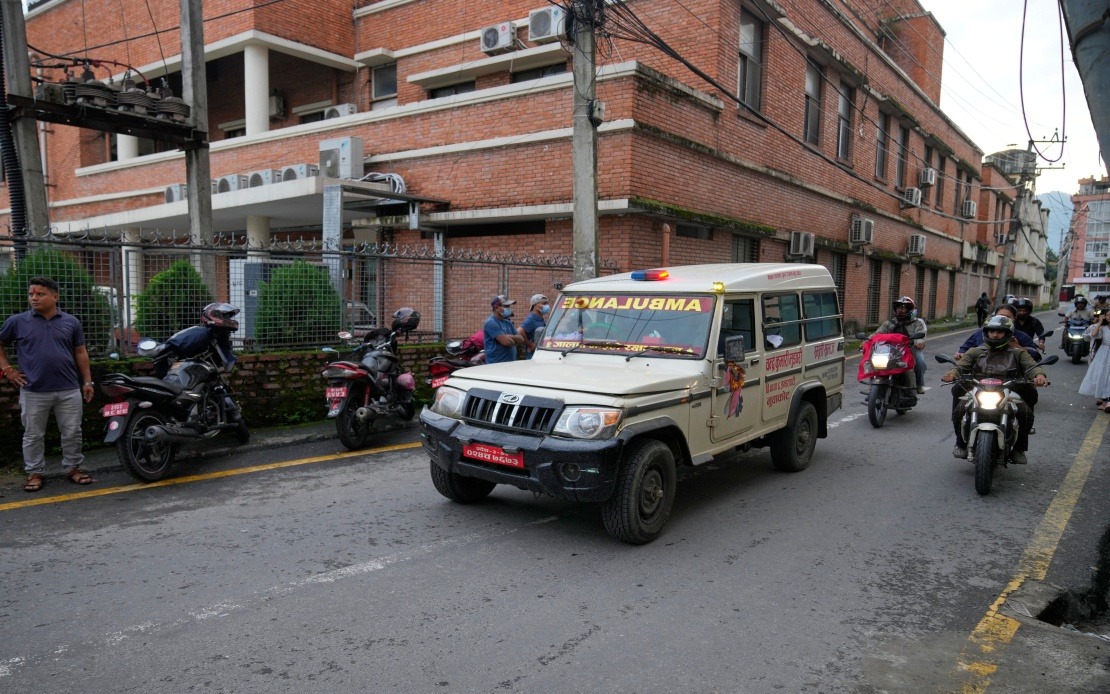
Nepal's rescue authorities have successfully evacuated 121 international travellers from areas ravaged by Wednesday's devastating glacial flood, though hundreds of people remain unaccounted for as recovery operations intensify across the affected regions. The evacuation figures, compiled by Nepal's tourism authorities as of Friday evening, underscore both the scale of the disaster and the ongoing challenges facing rescue teams working across multiple flood zones simultaneously.
The rescued foreigners represent a diverse cross-section of international visitors caught in the catastrophe, with the breakdown revealing 85 Indian nationals, 16 Chinese, nine South Koreans, and two each from the United States, Russia, and Italy. Single nationals from Belgium, Bulgaria, Portugal, Spain, and Switzerland have also been safely extracted from the flood zone, highlighting how this environmental disaster caught tourists from across the globe during what would have been peak travel season in the Himalayan region.
The flooding was triggered by a dramatic collapse of a glacier in the Himalayan mountains, unleashing massive volumes of water down the Bhote Koshi and Trishuli river valleys. The resulting wall of water destroyed everything in its path, affecting communities in both Nepal and the adjacent Chinese border regions. Preliminary assessments suggest the death toll has climbed to approximately 550 people, though this figure continues to rise as recovery teams locate additional casualties in remote downstream areas and isolated communities.
Nepalese authorities are confronting severe logistical challenges in managing the scale of human loss, with officials struggling to properly identify victims and secure adequate storage facilities for the growing number of recovered bodies. Hospitals in the regional centres of Chitwan and Pokhara have reached capacity and can no longer accommodate the influx of deceased victims or injured survivors, forcing authorities to establish makeshift storage and morgue facilities in other locations. This capacity crisis reflects the unprecedented scale of the disaster and highlights vulnerabilities in Nepal's disaster response infrastructure.
Searching for bodies and survivors continues in multiple zones downstream from where the glacier collapsed, with rescue teams conducting dangerous recovery operations in areas where the flood's power has fundamentally altered the landscape. The teams face treacherous conditions as aftershocks and secondary flooding threaten to hamper further rescue efforts. Prime Minister Balendra Shah convened his Cabinet on Friday to review the humanitarian and reconstruction response, signalling the gravity with which the government is treating the disaster.
In a gesture of fiscal commitment, Shah and Cabinet ministers have each pledged to contribute one month's salary to the Prime Minister's Natural Disaster Relief Fund. This mechanism aims to channel resources toward immediate humanitarian assistance and longer-term reconstruction efforts. The announcement reflects growing recognition that this disaster will require sustained financial mobilisation from multiple government levels and international sources to adequately address recovery needs.
India, as Nepal's largest neighbour and home to many of the affected nationals, has mobilised rapid humanitarian support. Two shipments of emergency aid totalling 47.5 tonnes have already arrived in Nepal, with a third aircraft scheduled to depart Friday carrying additional relief materials including medical supplies, food, water, and shelter items. However, Indian authorities have reported that at least 320 Indian nationals remain unaccounted for, many of whom were engaged in construction activities on the Trishuli hydropower project when the flood struck.
While 63 Indian workers on the hydropower project have been confirmed safe and 21 others have been successfully transported back across the border to India, concerns persist about a further 100 individuals of Indian origin who hold passports from other countries and have not established contact with authorities. Many of these individuals were believed to be participating in the Kailash Mansarovar pilgrimage in the Xizang region of China at the time of the disaster, and their exact status remains unclear. Indian Ministry of External Affairs spokesman Randhir Jaiswal confirmed during Friday's briefing that approximately 400 Indian nationals already in the Chinese region have been reported safe, though efforts continue to account for all Indians in both countries' affected areas.
Regional governments have mobilised coordinated responses reflecting the transnational nature of this environmental crisis. Pakistan's Prime Minister Shehbaz Sharif made direct contact with Nepal's Shah on Friday to extend condolences and pledged emergency relief assistance, positioning Pakistan as a contributing partner in the larger South Asian response framework. This diplomatic engagement illustrates how major environmental disasters transcend borders and create opportunities for regional cooperation during humanitarian crises.
For Malaysia and other Southeast Asian nations, this catastrophe serves as a stark reminder of the region's vulnerability to climate-related disasters and glacial hazards. As climate change accelerates glacier retreat across the Himalayan range, the risk of similar glacial lake outburst floods and debris-flow events may increase. Malaysian authorities monitoring transnational disaster scenarios should note how quickly such events can overwhelm local infrastructure and how international coordination becomes essential for accounting for dispersed nationals and coordinating relief flows.
The disaster also underscores growing concerns about hydropower development in seismically and glacially active regions. The Trishuli hydropower project, where many Indian workers were stationed, represents the type of energy infrastructure development increasingly pursued across the Himalayas as nations seek renewable energy sources. Yet such projects operate in environments where natural hazards can strike with catastrophic force, forcing policymakers to balance energy development ambitions against environmental and safety risks.
Recovery operations will likely extend over weeks and months, with the immediate humanitarian phase gradually transitioning into victim identification, family compensation, and reconstruction efforts. The full extent of economic damage to villages, agricultural land, and infrastructure remains to be comprehensively assessed. For Nepal, rebuilding trust with international tourists who comprise a vital revenue stream for the economy will require visible progress in disaster management and infrastructure resilience.

