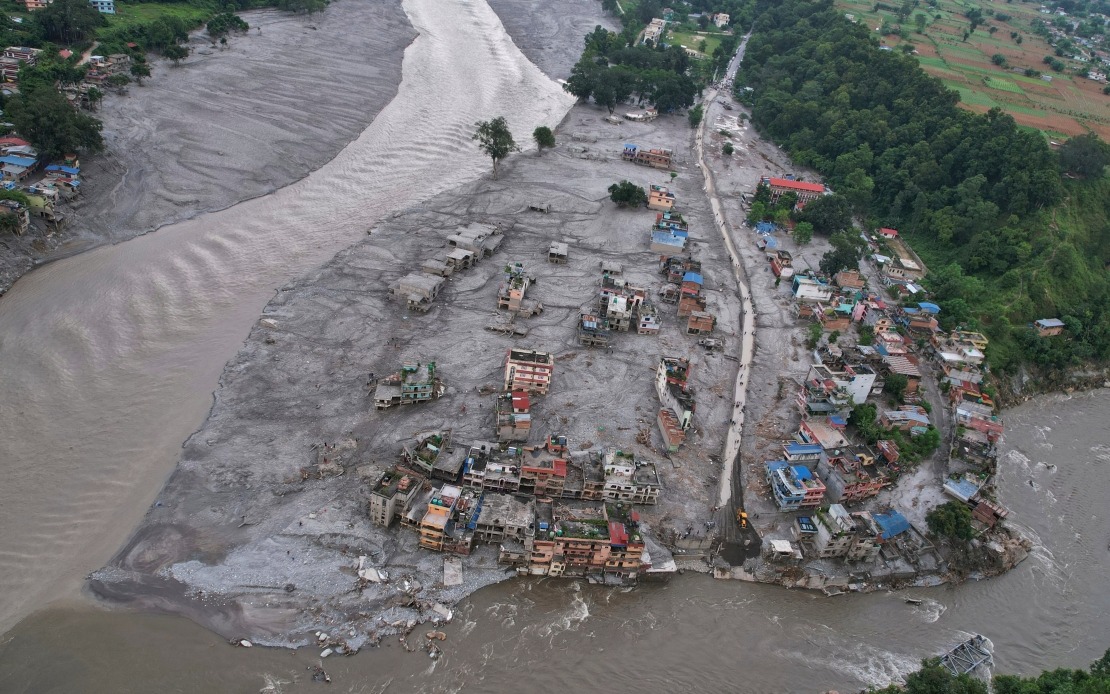
Nepal is proceeding cautiously with its response to the catastrophic floods that struck its central and northern regions, indicating that any decision on accepting further international search and rescue assistance will depend on a comprehensive assessment of the evolving situation. The country has already welcomed specialised teams from Australia, China, India and South Korea, but remains non-committal regarding offers from other nations, including Malaysia, pending closer evaluation of rescue requirements and operational capacity on the ground.
The Bhote Koshi and Trishuli rivers unleashed devastating flooding on Wednesday morning, creating a humanitarian crisis that has tested Nepal's disaster response infrastructure and international coordination mechanisms. According to Malaysian diplomatic officials stationed in Kathmandu, Nepalese authorities communicated their intention to carefully review the scale and nature of ongoing rescue operations before committing to additional foreign teams. Mohd Firdaus Azman, the charge d'affaires at the Malaysian Embassy in Kathmandu, relayed this position to the Malaysian news agency, emphasising that Nepal would undertake a thorough situational assessment before approving new search and rescue missions from prospective partner countries.
The scale of the disaster has been particularly acute at Nepal's hydropower installations, where catastrophic conditions have left hundreds of workers in perilous circumstances. Media reports indicate that more than 900 labourers employed across 11 hydropower projects—several still under construction—have become trapped within tunnels and subterranean powerhouses, creating a complex rescue scenario that demands specialised expertise and equipment. The concentration of foreign nationals among the missing workforce explains why several countries have rapidly mobilised rescue teams, as many of these workers hold citizenship of nations already providing assistance.
The decision by Nepal to accept support specifically from Australia, China, India and South Korea reflects the presence of nationals from these countries among the trapped and missing workers at hydropower facilities. This strategic approach to international assistance allocation demonstrates how countries coordinate rescue operations around existing diplomatic ties and workforce demographics. The countries already engaged possess both immediate motivation to assist their citizens and established working relationships with Nepalese authorities that facilitate rapid deployment and coordination of rescue personnel.
Malaysia has positioned itself as a significant contributor to Nepal's relief and recovery efforts, with Prime Minister Datuk Seri Anwar Ibrahim announcing that Malaysia is actively coordinating the delivery of humanitarian aid to the flood-affected regions. Beyond material assistance, Malaysia has indicated its willingness to deploy the Malaysian Special Search and Rescue Team (SMART), a highly trained unit with extensive experience in complex rescue operations across the region. However, the deployment of SMART remains contingent upon Nepal's formal acceptance, which will emerge only after the country completes its comprehensive assessment of rescue requirements.
The humanitarian dimensions of the disaster extend well beyond the hydropower facilities, with entire communities across Nepal's central and northern zones experiencing catastrophic losses. As of Saturday, media reports documented at least 633 confirmed deaths spanning both Nepal and China, while nearly 3,000 individuals remain unaccounted for. Among the missing are hundreds of foreign nationals whose countries are closely monitoring the situation and preparing to provide whatever assistance Nepal's government determines necessary.
The Malaysian government has expressed particular concern regarding the status of its own citizens affected by the disaster. According to the Malaysian Foreign Ministry, as of Saturday evening, 55 Malaysian nationals in Nepal and 36 Malaysians in China had remained uncontactable following the flooding. This substantial number of unconfirmed Malaysians underscores the regional dimensions of the catastrophe and explains Malaysia's commitment to maintaining preparedness for deployment of rescue capabilities should Nepal formally request such assistance.
Nepal's cautious approach to accepting additional foreign rescue teams reflects several practical considerations that will likely shape its assessment process. The coordination of multiple international teams operating in challenging terrain and unstable conditions requires careful planning to ensure rescue efforts complement rather than complicate ongoing operations. Additionally, Nepalese officials must balance international assistance with the deployment of domestic rescue resources and ensure that foreign teams can operate effectively within the country's regulatory and security frameworks.
For Malaysia and other Southeast Asian nations monitoring the situation, Nepal's assessment period represents a critical window for positioning rescue resources and maintaining diplomatic channels through which offers of assistance can be rapidly converted into operational deployments. The regional dimension of this disaster—with the natural disaster affecting citizens from multiple Asian nations—reflects how climate-related catastrophes in one country inevitably ripple across borders and create shared humanitarian challenges that transcend traditional sovereignty considerations.
The diplomatic flexibility demonstrated by Nepal in evaluating offers while working with existing partners establishes a template for international disaster response in South Asia. Rather than immediately accepting all available assistance, which could create coordination challenges, Nepal is prioritising focused engagement with countries whose personnel are directly affected while remaining open to expanding assistance as the situation evolves. This approach suggests that within the coming days, as rescue operations progress and clearer pictures of ongoing needs emerge, Nepal may very well turn to Malaysia and other nations offering specialised rescue capabilities to expand and accelerate relief operations.

