Bishnu Prasad Paudel, who previously served as Nepal's finance minister, was taken into custody late Monday evening following allegations that he engaged in money laundering activities. The arrest, confirmed by national police authorities in Kathmandu, represents a significant moment in the country's ongoing efforts to investigate and prosecute financial crimes allegedly committed during earlier administrations.
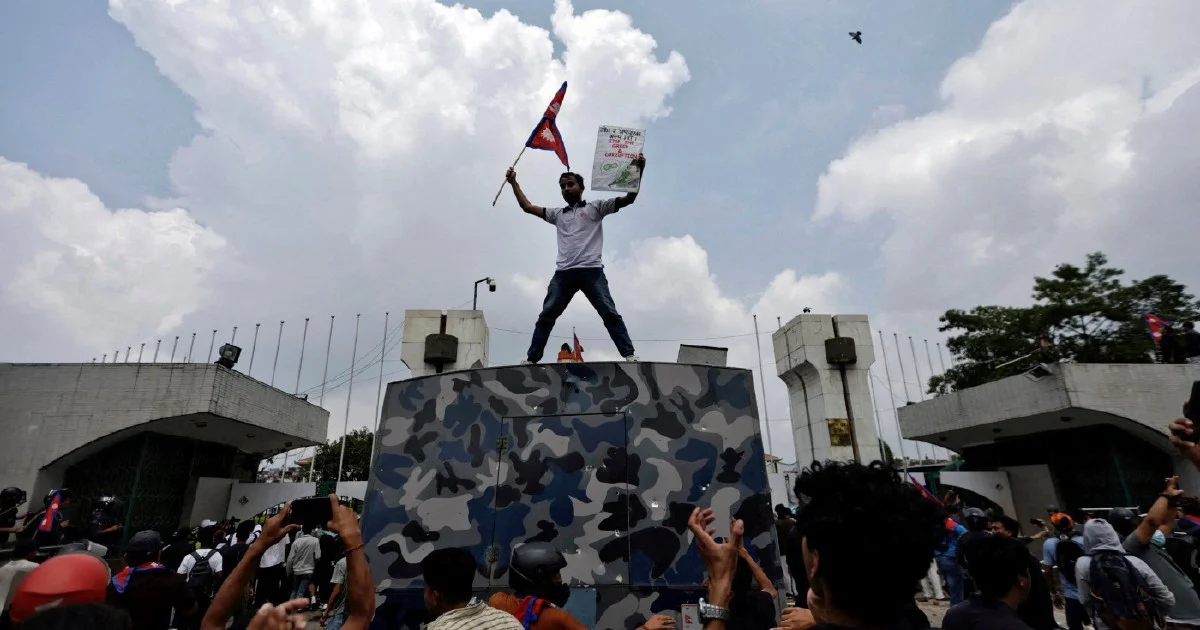
The timing of Paudel's detention reflects a broader strategic shift within Nepal's current government, which is predominantly backed by younger, Gen Z-aligned political figures. This cohort of leaders has made anti-corruption enforcement a centrepiece of their governing agenda, signalling a departure from the comparative inaction that characterised previous regimes. The new administration appears determined to demonstrate substantive commitment to accountability, particularly regarding financial misconduct that allegedly occurred under predecessor governments.
Money laundering investigations in Nepal have long been hindered by institutional weaknesses, including limited investigative capacity, porous financial monitoring systems, and historical political unwillingness to prosecute senior figures. The arrest of a former finance minister—a position that carries substantial authority over government funds and financial policy—underscores the seriousness of the current effort. It also sends a clear message that no position, however elevated, offers immunity from scrutiny under the new political dispensation.
For Malaysian observers, Nepal's anti-corruption momentum carries particular relevance. Both nations grapple with similar challenges: combating entrenched patterns of financial impropriety, strengthening institutional oversight mechanisms, and rebuilding public trust in government financial stewardship. The success or failure of Nepal's anti-corruption drive may offer instructive lessons about the political prerequisites for meaningful reform, particularly regarding whether Gen Z-aligned leadership can sustain accountability initiatives despite inevitable political resistance.
The specifics of the allegations against Paudel remain under investigation, though money laundering charges typically involve concealing the origins of illicit funds through complex financial transactions. In Nepal's context, such schemes have historically involved manipulating exchange rates, misusing government contracts, and channelling public resources through informal banking networks. The case against Paudel may reveal systemic vulnerabilities that allowed financial crimes to flourish during his tenure.
Nepal's Financial Crime Investigation Bureau and other enforcement agencies now face significant expectations to build a credible prosecutorial case. International observers, particularly from regional financial bodies and anti-corruption organisations, will scrutinise the investigation's rigour and transparency. A high-profile conviction would validate the government's anti-corruption credentials; conversely, a weak or politically motivated case could undermine faith in judicial independence and the legitimacy of the broader campaign.
The arrest also reflects Nepal's growing engagement with international anti-money laundering standards. The country has faced periodic pressure from the Financial Action Task Force and other multilateral bodies to strengthen financial compliance frameworks. By pursuing former officials, Nepal signals compliance with global norms, potentially improving its standing in international financial oversight mechanisms and facilitating future foreign investment and development assistance.
Politically, the arrest carries considerable implications for Nepal's factious political landscape. Different parties and factions may interpret Paudel's detention through competing lenses: as either principled accountability or strategic persecution of political opponents. Managing these perceptions while maintaining genuine prosecutorial independence remains a critical challenge for the Gen Z-backed government, particularly as it competes with established political forces for legitimacy and public confidence.
The broader context of government transitions in South Asia suggests that anti-corruption campaigns can serve multiple purposes simultaneously: addressing genuine institutional problems, demonstrating reform commitment, and consolidating political advantage against predecessors. Nepal's investigation into Paudel will likely crystallise around whether the new administration can distinguish between these motivations, maintaining ethical prosecutorial standards rather than weaponising judicial processes.
Regional financial stability also features indirectly in this case. Large-scale money laundering drains government resources, distorts economic decision-making, and creates perverse incentives for policy formulation. Nepal's tourism, remittance, and hydropower sectors all suffer when financial governance deteriorates. Consequently, substantive anti-corruption efforts carry real economic consequences beyond symbolic political messaging.
The investigation's ultimate trajectory—whether Paudel faces trial, conviction, or acquittal—will significantly influence confidence in Nepal's institutional capacity for reform. International donors, investors, and neighbouring countries including India and China will monitor developments closely. For Southeast Asian nations engaged with Nepal through regional forums like BIMSTEC, the case offers a window into whether generational political transitions produce substantive governance improvements or merely redistribute power among actors with comparable institutional weakness.
As investigations proceed, several critical questions demand resolution: whether evidence sufficient for conviction can be assembled; whether political considerations influence prosecutorial decisions; and whether Nepal's judiciary possesses sufficient independence to deliver credible verdicts. The answers to these questions will shape not only Paudel's individual fate but Nepal's credibility as a jurisdiction committed to genuine financial accountability and the rule of law.

