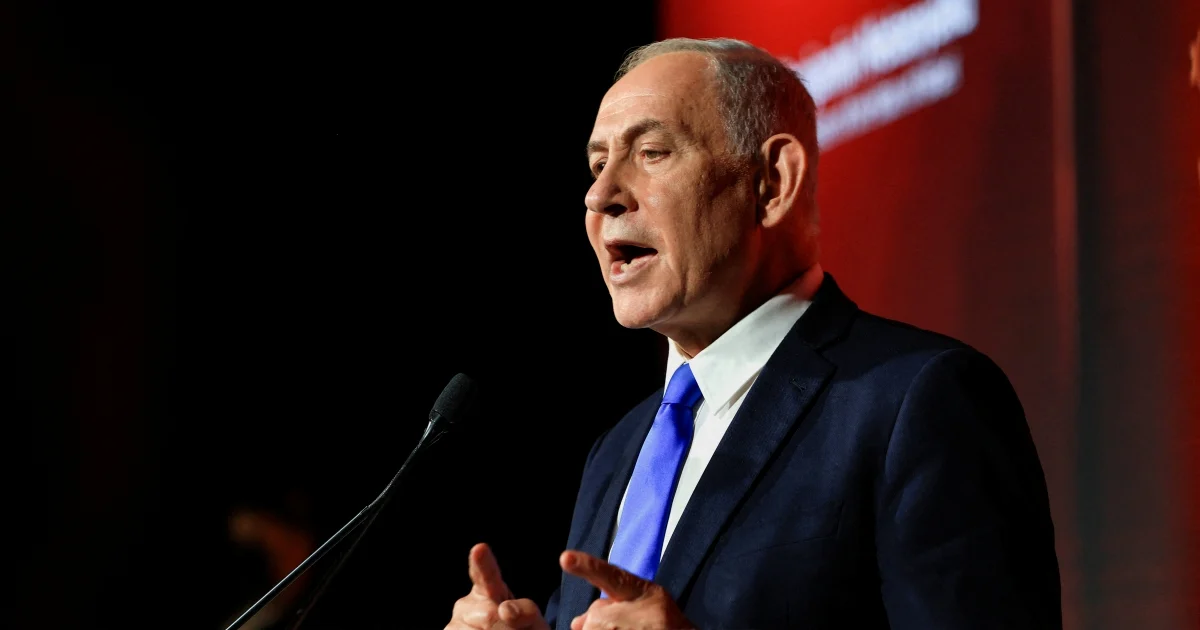
Israeli Prime Minister Benjamin Netanyahu made a significant statement on Sunday regarding the Israeli military's presence in southern Lebanon, declaring that troops would remain there for whatever duration proves necessary to achieve the country's objectives. His comments signal a potential shift towards a prolonged military deployment in the region, moving beyond what some analysts had expected to be a limited-duration operation. The announcement comes amid an already volatile period of heightened tensions across the Middle East, where multiple flashpoints threaten regional stability.
The Israeli leader's commitment to maintaining a military footprint in Lebanese territory underscores the complexity of Israel's strategic calculations in the northern theatre. Rather than outlining a clear timeline for withdrawal, Netanyahu's language suggests that Israel reserves the right to determine the appropriate duration based on evolving conditions and objectives. This openness regarding the length of deployment represents a departure from typical military operations, which usually feature defined endpoints or specific conditions that would trigger a pullback.
Netanyahu's statement carries significant implications for Israel's broader relationship with its neighbours and the international community. A prolonged occupation of Lebanese territory, even in a designated southern zone, can fuel resentment among local populations and potentially violate international norms surrounding military occupation. For Lebanese civilians in affected areas, extended military presence means prolonged disruption to daily life, economic activities, and reconstruction efforts in regions already devastated by conflict.
The regional context remains crucial to understanding this announcement. Israeli forces have maintained various levels of presence in southern Lebanon for decades, particularly following the 1982 invasion and subsequent military operations against armed groups. The current deployment must be viewed within this longer historical arc of Israeli military involvement in Lebanese affairs. Previous commitments to limited operations have sometimes evolved into extended engagements, setting a troubling precedent that regional observers are unlikely to overlook.
For Malaysia and Southeast Asian nations, this development carries implications beyond the immediate Israeli-Lebanese dynamic. The broader Middle Eastern instability affects global markets, energy prices, and security arrangements that touch Southeast Asian economies and interests. Countries in the region have historically avoided taking sides in Israeli-Palestinian or Israeli-Arab disputes, preferring to focus on economic partnerships and multilateral diplomacy. However, prolonged regional conflicts can limit diplomatic options and complicate regional balance-of-power arrangements that Malaysia and other nations have carefully cultivated.
Netanyahu also reiterated Israel's determination to prevent Iran from acquiring nuclear weapons, an objective that has defined Israeli security policy for decades. This commitment remains one of the most contentious issues in Middle Eastern geopolitics, with profound implications for the region's future. The nuclear question represents a different category of strategic concern from conventional military operations, reflecting Israeli anxieties about Iran's long-term intentions and regional influence. Israel has previously taken military action against suspected nuclear facilities in Iraq and Syria, demonstrating its willingness to act unilaterally when it perceives an existential threat.
The intersection of these two concerns—prolonged military operations in Lebanon and vigilance regarding Iran's nuclear programme—reveals Netanyahu's multi-layered approach to Israeli security. By simultaneously addressing immediate tactical concerns in Lebanon while emphasizing the nuclear threat from Iran, the Prime Minister presents a comprehensive view of Israeli security architecture. However, this dual focus also suggests that Israel anticipates an extended period of regional tension rather than an imminent resolution of current conflicts.
International reaction to Netanyahu's statement will likely vary considerably. Governments concerned about regional stability may express reservations about indefinite military presence in a neighboring country, while Israel's security partners may view the commitment as necessary for preventing hostile forces from establishing footholds near Israeli territory. The statement also carries domestic political implications within Israel, where security concerns remain paramount but where public opinion regarding endless military commitments can fluctuate based on casualty rates and perceived progress toward objectives.
The humanitarian dimension of extended military occupation cannot be overlooked. Southern Lebanon hosts substantial civilian populations dependent on agriculture, small commerce, and other economic activities disrupted by military operations and security restrictions. International humanitarian organisations have documented civilian casualties and property damage during recent operations, and any prolonged presence risks compounding these effects. The Lebanese government, already struggling with economic crisis and political dysfunction, faces additional pressure to manage the consequences of Israeli military activity on its territory.
For policymakers in Southeast Asia observing these developments, the situation underscores broader lessons about military interventions and their tendency to outlast initial projections. Malaysia's own experience with managing security challenges and cross-border issues informs its perspective on such matters. The principle that military solutions require clearly defined endpoints and exit strategies remains relevant across different regional contexts, and the Israeli example demonstrates the risks of open-ended commitments.
Moving forward, the international community faces questions about how to facilitate de-escalation when one party has effectively declared indefinite military presence. Diplomatic mechanisms, multilateral pressure, and incentive structures become more important in such contexts, yet Israel's strategic position and relative military superiority mean that external actors have limited leverage. These structural realities shape the likely trajectory of events in southern Lebanon and, by extension, broader Middle Eastern stability in coming months.

