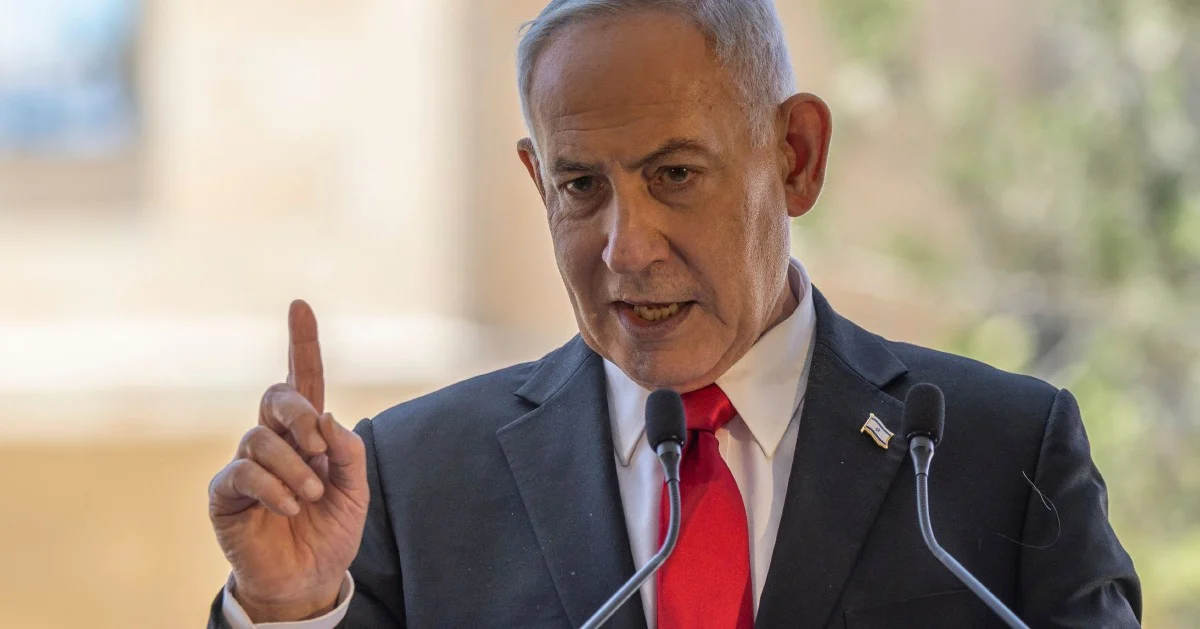
Israeli Prime Minister Benjamin Netanyahu is attempting to fast-track a series of contentious legislative measures through parliament before the body dissolves in preparation for national elections now scheduled four months hence. This eleventh-hour legislative sprint has unleashed considerable opposition criticism, with rival political factions arguing that the government lacks a mandate to push through significant policy changes during what is formally a caretaker period.
The timing of this legislative offensive underscores the peculiar dynamics of Israeli parliamentary politics, where a government entering a formal election cycle retains substantial lawmaking authority. Rather than adopting the cautious approach traditionally expected of governments in transition, Netanyahu's administration is pursuing an aggressive agenda that critics contend should be deferred until after voters have rendered their verdict. The apparent strategy reflects the prime minister's assessment that the current parliamentary configuration may not guarantee passage of his preferred initiatives once fresh elections reshape the legislature's composition.
Opposition parties have mounted fierce resistance to what they characterise as an abuse of the transitional period's procedural mechanics. Their arguments centre on the principle that governing coalitions entering electoral contests should exercise restraint on matters of constitutional significance or sweeping policy reform. The opposition views the timing as strategically calculated to circumvent the kind of scrutiny and debate that would accompany normal parliamentary proceedings under circumstances with a clear electoral mandate.
The specific bills under consideration span multiple policy domains, though details of individual measures remain subject to intense parliamentary and public debate. What unifies these proposals in the eyes of critics is their characterisation as politically consequential initiatives that would reshape Israeli law and governance structures. Opposition legislators have argued that fundamental changes of this magnitude warrant postponement until after electoral processes grant legitimacy to whoever forms the next government.
Parliamentary dissolution procedures in Israel's system create compressed timelines that concentrate legislative activity into narrow windows. The approaching dissolution date has effectively created a deadline that motivates Netanyahu's coalition to secure passage of priority legislation before losing their numerical advantage. This procedural reality explains the urgency animating the government's approach, though it does little to assuage opposition concerns about propriety and democratic principle.
The political stakes for Netanyahu personally are considerable. As a government leader facing electoral uncertainty, he has incentive to embed policy preferences into law before potentially losing control of parliament. Should opposition parties gain sufficient seats to form an alternative coalition, reversing legislatively entrenched changes would prove substantially more difficult than preventing their enactment. This dynamic creates a powerful motivation for aggressive pre-election lawmaking, even when such tactics generate substantial controversy.
Israeli public discourse has increasingly grappled with questions regarding the appropriate scope of governmental authority during transitional electoral periods. This particular legislative push appears likely to intensify those broader constitutional debates about balancing executive prerogative with democratic accountability. The controversy may influence how future Israeli governments approach similar situations, establishing precedential arguments about acceptable caretaker-period conduct.
The opposition's ability to mount effective resistance depends partly on parliamentary procedure rules and the composition of relevant committees. Depending on structural factors, opposition parliamentarians may possess procedural tools to slow consideration or extract concessions, though ultimately Netanyahu's coalition commands the numerical votes necessary for passage. This asymmetry between procedural obstruction capacity and final voting outcomes shapes the character of parliamentary opposition strategies.
Regional observers monitor Israeli legislative developments with interest, as laws passed during this period may affect Israel's international commitments, Palestinian-related policies, or security arrangements with neighbouring states. The international dimensions of Netanyahu's agenda add another layer of complexity to what might otherwise remain a purely domestic constitutional dispute. Some proposed measures could carry implications extending beyond Israeli borders into the broader Middle Eastern geopolitical landscape.
The compressed timeline between parliamentary dissolution and actual elections creates particular complications for public comprehension and deliberate voter evaluation. Legislation enacted during this interregnum becomes part of the landscape voters assess when making electoral choices, yet the accelerated procedural pace may limit informed public debate about proposed changes. This tension between legislative expedience and democratic deliberation remains central to opposition critiques.
Historically, Israeli governments have sometimes used pre-election periods to advance controversial initiatives, establishing patterns that Netanyahu's government now appears to be following or amplifying. Whether such conduct becomes normalised or remains contested may depend partly on the electoral consequences that follow this particular exercise of parliamentary power. If voters react negatively, future governments may face stronger public resistance to similar strategies. Conversely, if Netanyahu's coalition emerges strengthened from elections, other leaders may interpret the outcome as validating aggressive transitional-period legislating.
The broader implications for Israeli democratic practice extend beyond the immediate legislative agenda. Questions about the proper bounds of executive authority, the role of parliamentary procedure in protecting minority rights, and the relationship between electoral cycles and lawmaking authority all surface during episodes like this current controversy. These constitutional conversations will likely persist beyond the immediate legislative battle and into whatever government formation process follows the upcoming elections.

