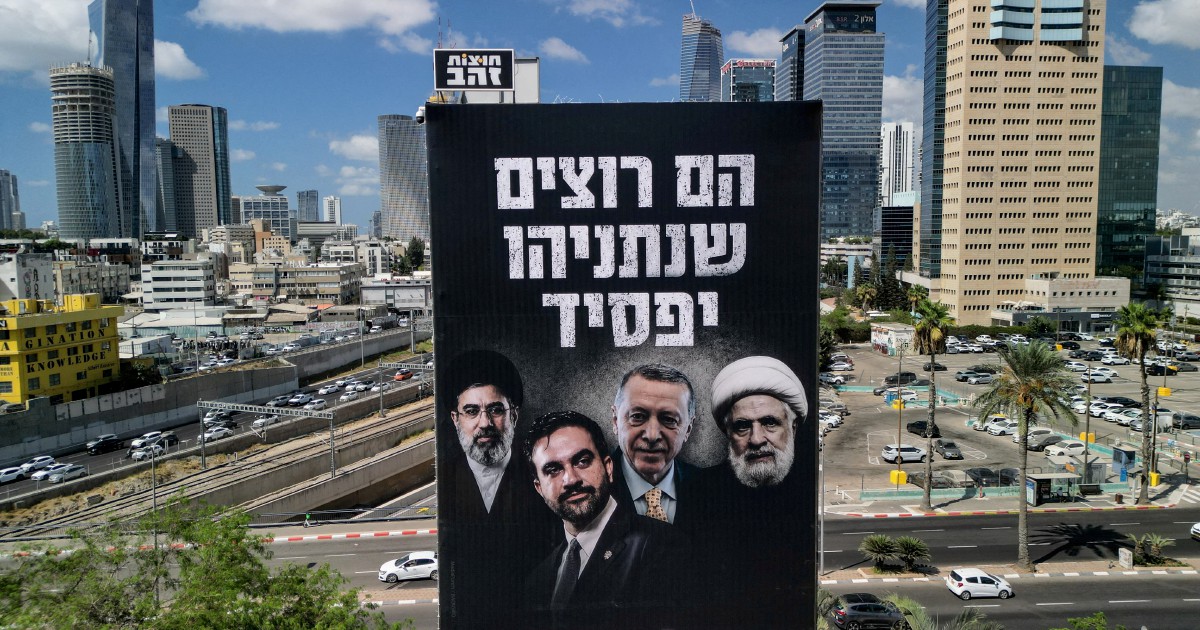
Israeli Prime Minister Benjamin Netanyahu's Likud party concluded its candidate selection process on Monday, marking a critical juncture as the right-wing faction prepares for the October 27 general election. The decision comes at a moment when Netanyahu's political fortunes appear less certain than in previous electoral cycles, with the Likud facing mounting pressure from multiple rival parties vying for voter support in what analysts expect will be a closely contested race.
The selection of candidates through a party membership vote represents a significant moment in the Israeli electoral calendar. The process determines not only who will represent Likud in parliament but also signals the party's strategic priorities and internal dynamics heading into a challenging campaign season. For regional observers, particularly in Southeast Asia where Israeli politics has increasingly attracted attention due to trade relationships and geopolitical alignment, the outcome matters as it could influence Middle Eastern stability and regional power dynamics.
Netanyahu's weakened position stems from multiple converging factors. Domestic challenges, including ongoing legal troubles and questions about his government's handling of various policy issues, have eroded some of the prime minister's traditional support base. The Likud's standing in recent polling suggests that the party cannot rely on the commanding electoral margins it has enjoyed in previous contests, forcing the organization to sharpen its campaign strategy and candidate recruitment efforts.
The party's selection of candidates reflects broader calculations about which figures can best mobilise Likud's voter base and attract persuadable moderate voters who might otherwise support centrist alternatives. In Israeli politics, where coalition governments are the norm and no single party typically commands an outright majority, the specific composition of a party's parliamentary delegation becomes crucial for post-election negotiations. Likud's candidate list essentially previews which politicians will negotiate key ministerial portfolios and policy priorities following the election.
For Netanyahu personally, the October election represents both an opportunity and a test. A strong showing could consolidate his grip on Israeli politics and potentially provide electoral legitimacy as he navigates his ongoing legal challenges. Conversely, a disappointing result could accelerate calls within Likud for leadership change and embolden rivals who have long positioned themselves as alternatives to the prime minister's continued dominance.
The competitive landscape includes several formations across the political spectrum. Right-wing and far-right parties have proliferated in recent Israeli politics, fragmenting the traditional conservative coalition that Netanyahu once dominated. Simultaneously, centrist and left-leaning parties continue developing their own narratives and candidate slates. This fragmentation means that even a victorious Likud may need to form complex coalition arrangements, requiring Netanyahu to compromise on policy priorities or ministerial positions to secure parliamentary support.
Regional implications warrant consideration for Malaysian stakeholders. Israeli domestic political stability affects the broader Middle Eastern security environment, which intersects with global economic flows, energy markets, and international relations. Changes in Israeli government composition could influence regional tension levels and, consequently, the geopolitical backdrop affecting trade and diplomatic engagement across Southeast Asia and the broader Indo-Pacific region.
The Likud's internal dynamics also reflect generational tensions within the party. While Netanyahu remains the dominant figure, younger politicians within the party structure harbour their own ambitions and sometimes diverge from the prime minister's preferred approach to various policy questions. The candidate selection process inevitably involves negotiations between these competing elements, with implications for what a future Likud-led government would prioritise.
Campaign financing and organisational capacity will prove decisive in the months ahead. Likud's traditional fundraising networks and institutional machinery remain formidable, yet some donors and organisers have diversified their political support in recent years. The party's ability to mobilise resources and coordinate campaign activities across Israel's diverse geographic and demographic regions will substantially influence whether it can overcome the electoral headwinds it currently faces.
As Israel approaches the October 27 election, observers across Asia-Pacific should monitor how Israeli domestic political developments unfold. The outcome will shape not only Israeli governance but also regional power calculations affecting defence partnerships, technology cooperation, and diplomatic alignments that Southeast Asian nations navigate in their own foreign policy planning. Netanyahu's electoral performance and the Likud's composition will therefore merit attention well beyond Israeli borders.

