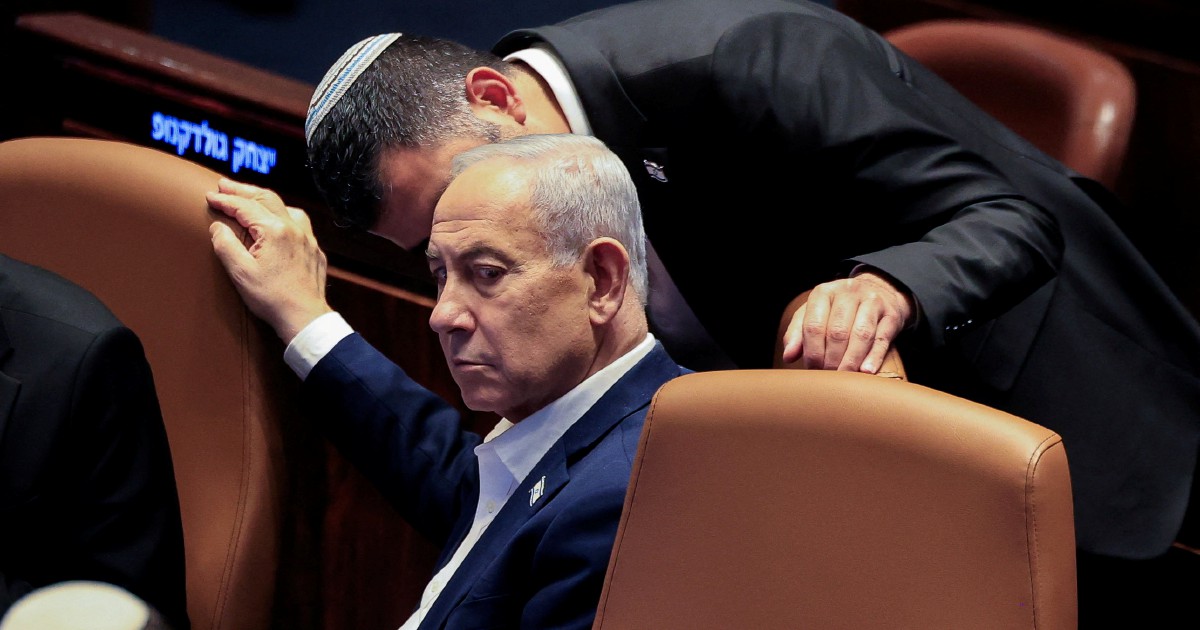
The office of Israeli Prime Minister Benjamin Netanyahu released a stinging rebuke on Sunday directed at New York Mayor Zohran Mamdani, who had suggested he was weighing the possibility of apprehending the Israeli leader during his attendance at a forthcoming United Nations summit. The escalating diplomatic incident underscores the heightened tensions surrounding Netanyahu's international appearances and the legal complexities arising from International Criminal Court dynamics in geopolitical relations.
Mamdani's comments, made during discussions about Netanyahu's pending visit to New York, touched on the thorny question of whether municipal authorities possessed the legal standing to detain a sitting head of government. The mayor's remarks reflected broader international scrutiny regarding allegations against Netanyahu and raised questions about the jurisdictional boundaries between local enforcement agencies and sovereign immunity principles that traditionally shield foreign leaders from arrest on foreign soil.
The Netanyahu administration's response characterised the mayor's statements as inflammatory and inappropriate. Officials in the prime minister's office argued that such rhetoric demonstrated a fundamental misunderstanding of diplomatic protocols and the immunity protections afforded to heads of state operating within the framework of international law and established United Nations conventions. The dispute highlighted the delicate balance between municipal autonomy and national sovereignty in global diplomacy.
The situation carries particular significance for Malaysia and other Southeast Asian nations that maintain diplomatic relations with both Israel and observe United Nations proceedings closely. The episode illustrates how international legal frameworks and local political considerations can collide when visiting dignitaries face domestic political opposition in their host countries. For regional observers, the incident demonstrates the growing pressure on governments to navigate competing demands from international legal mechanisms and traditional diplomatic immunity.
Zohran Mamdani represents a new generation of urban political leadership in the United States, elected on a platform that emphasises progressive positions on multiple foreign policy matters. His willingness to publicly explore the theoretical possibility of arresting Netanyahu reflects both genuine legal uncertainty and the changing political climate in American cities, where international affairs increasingly intersect with local electoral dynamics. This represents a notable departure from the discretionary silence that historically characterised municipal responses to controversial visiting leaders.
The Netanyahu administration's concerns extend beyond the specific remarks to encompass the broader pattern of international legal pressure and accusations that have mounted against the Israeli government. The intervention of a major American city official in questions surrounding Netanyahu's legal exposure suggests that the traditional separation between diplomatic immunity and accountability mechanisms is experiencing unprecedented strain in contemporary international relations.
New York City's role as host to the United Nations headquarters places it at the crossroads of global diplomacy and local politics. The city has occasionally witnessed tensions between its progressive political leadership and visiting foreign officials, yet direct assertions about potential arrests represent an unusual escalation. Previous mayors have generally refrained from such explicit commentary, preferring to maintain the fiction of seamless diplomatic hospitality regardless of their personal or political views regarding visiting dignitaries.
The incident also touches on deeper questions about the future trajectory of the International Criminal Court and its relationship with traditional state sovereignty. As more civil society organisations and political figures openly discuss the legal vulnerabilities of foreign leaders, the traditional architecture of diplomatic immunity faces mounting challenge. For nations like Malaysia that participate in the ICC framework while maintaining complex diplomatic relationships across regions, this episode serves as a cautionary tale about how domestic politics can suddenly erupt into international incidents.
Netanyahu's scheduled United Nations appearance carries significance beyond routine diplomatic engagement, given ongoing international debate regarding Israeli military operations and humanitarian concerns. The mayor's comments, whether intended seriously or rhetorically, crystallised anxieties within government circles about the vulnerability of state leaders to varying interpretations of international law across different jurisdictions. This uncertainty has practical implications for executive travel and international summit attendance among leaders facing legal scrutiny from international bodies.
The Netanyahu office's denunciation appeared calibrated to defend the prime minister's right to safe passage while simultaneously signalling to the United States government that such statements undermine bilateral relationships and established diplomatic norms. The response sought to frame Mamdani's remarks as not merely a personal opinion but as a potential breach of America's obligations as the host nation for the United Nations headquarters and guardian of established diplomatic protocols.
Looking forward, the episode raises questions about whether other municipalities might take similar stances regarding controversial visiting leaders, potentially fragmenting the unified diplomatic immunity framework. For Southeast Asian governments and observers, this development reinforces the unpredictability of host nation politics and the widening gap between international legal mechanisms and traditional diplomatic practice. The incident suggests that the era of unquestioned executive immunity during international travel may be yielding to new political realities driven by municipal electoral dynamics and evolving popular attitudes toward international accountability.

