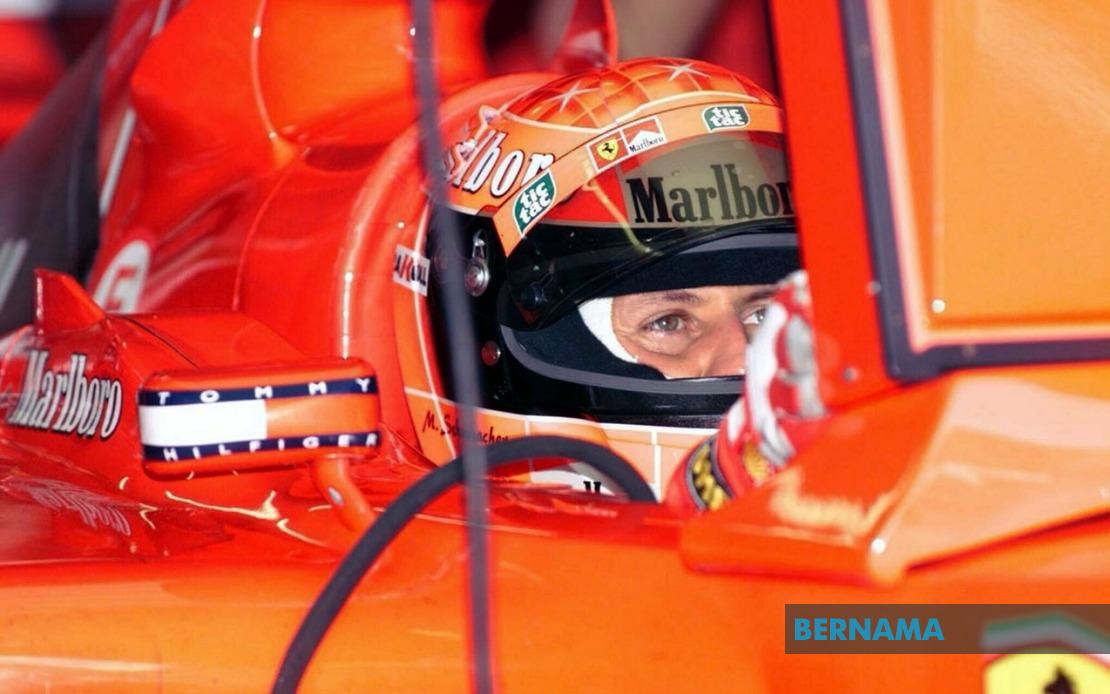
Netflix has announced the October 2 release of a documentary exploring one of Formula One's most defining yet turbulent seasons through the lens of German motorsports legend Michael Schumacher's rise to his first world championship. The streaming platform's production, developed in collaboration with Schumacher's wife Corinna, offers an intimate retrospective on the 1994 campaign that propelled the then-25-year-old onto the global stage and fundamentally reshaped perceptions of German drivers within the sport.
The 1994 season represents a watershed moment in Formula One history, crystallising the sport's transformation during the mid-1990s technological and regulatory shifts. Beyond Schumacher's remarkable ascent, the championship became synonymous with controversy, tragedy, and competing narratives about sportsmanship versus victory at any cost. For Malaysian audiences with growing interest in international motorsports, understanding this pivotal season provides essential context for comprehending modern F1 dynamics and the fierce competition that defined the era.
Schumacher's path to championship glory that year was contested and contentious. His Benetton team faced persistent allegations of technical infractions, with critics questioning whether the car's performance advantages stemmed from engineering ingenuity or regulatory circumvention. These disputes created a shadow over his achievement, one that the documentary evidently addresses by situating the cheating allegations within the broader competitive landscape of 1994. The sporting establishment's handling of these controversies illuminates how F1 historically managed disputes between innovation and integrity.
Yet the season's legacy extends far beyond technical arguments and points disputes. The 1994 championship was devastatingly marked by fatal accidents that shocked the motorsports world and fundamentally altered safety priorities across racing. Roland Ratzenberger's death during qualifying at Imola represented the first driver fatality in Formula One since 1994's opening, while three-time world champion Ayrton Senna's fatal crash during the San Marino Grand Prix just days later sent reverberations throughout the sport and global athletics broadly. These tragedies transformed conversations about risk, safety infrastructure, and the moral dimensions of motor racing.
The documentary assembles a comprehensive roster of principal figures from that season to contextualise events and provide competing perspectives. Corinna Schumacher's involvement signals a deeply personal narrative approach, offering family insights into Michael's experience during that tumultuous year. Former Benetton team principal Flavio Briatore provides the constructor's perspective on technical debates and strategic decisions. Bernie Ecclestone, F1's commercial architect during this period, explains the championship's business and political dimensions. David Coulthard, competing as a driver that season, contributes on-track observations, while Willi Weber, Schumacher's manager, describes the business and personal management surrounding the young driver's meteoric rise.
A particularly intriguing element the documentary apparently explores involves the emergence of "Schumi-mania" throughout Germany. Schumacher's 1994 championship victory catalysed unprecedented enthusiasm for Formula One within German-speaking regions, transforming the sport from a niche international pursuit into mainstream popular culture. This phenomenon carried implications for the sport's commercial expansion and media strategy, particularly as European markets became increasingly significant revenue sources for F1 broadcasting and sponsorship. The documentary's examination of this cultural shift provides insight into how individual athletes can reshape sporting landscapes through combination of talent, national identity, and unprecedented media exposure.
The championship's climactic moment arrived in Adelaide, Australia, where Schumacher and British rival Damon Hill contested the final round under extraordinary pressure. Schumacher's controversial collision with Hill during the race secured his first title by a single point, a finish that crystallised the season's overarching themes. The incident itself remains debated among motorsports analysts—some viewing it as ruthless determination, others as unsporting conduct. This ambiguity, preserved within competitive memory, continues influencing discussions about acceptable aggression in professional motorsports and establishing precedents that shape contemporary F1 regulations and steward decisions.
Schumacher's subsequent career trajectory transformed Formula One's competitive landscape. His seven world championships ultimately matched the all-time record, establishing him among motorsports' greatest athletes. However, his personal circumstances changed dramatically in 2013 when a skiing accident resulted in severe head trauma. Since that incident, the now 57-year-old has maintained an extraordinarily private existence, with public appearances becoming rare and carefully managed. This documentary thus assumes additional significance as an authorised examination of his life and achievements, presented with family endorsement during a period when direct public access to Schumacher remains exceptionally limited.
For Southeast Asian audiences, Schumacher's story resonates across multiple dimensions. Formula One has expanded its geographical footprint considerably since 1994, with the region increasingly featured within the sport's global calendar. Malaysian motorsports enthusiasts maintain particular investment in F1's development, given the sport's technical sophistication and global commercial scale. Understanding Schumacher's 1994 championship provides historical foundation for comprehending how individual athletes establish legacies, how sporting organisations manage controversy, and how tragedies reshape institutional priorities—all themes with universal application across competitive athletics.

