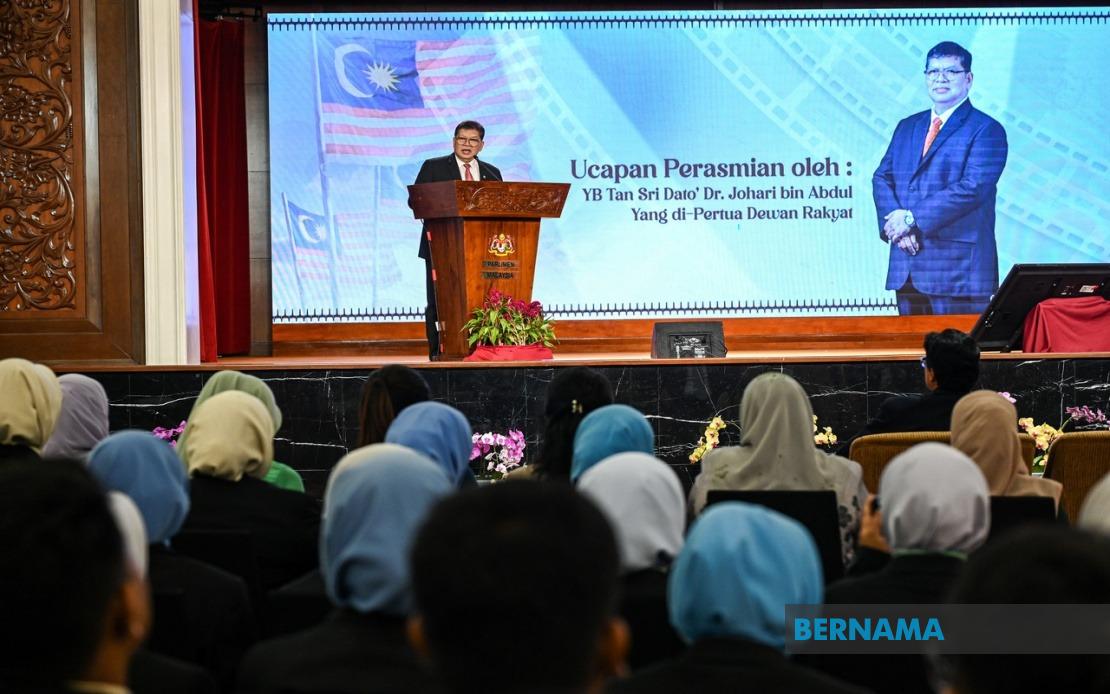
Parliament has released a short film titled 'Arkitek Bangsa' with the explicit goal of nurturing a new generation of leaders who view themselves as architects responsible for constructing the nation's future. The initiative represents a deliberate strategic pivot toward fostering patriotism and civic responsibility among young Malaysians at a moment when questions about generational commitment to national values remain pressing across the region.
The film was unveiled at a special screening held at the Parliament Building in Kuala Lumpur on July 16. At the event, parliamentary officials articulated a vision extending beyond conventional civics education, positioning leadership development as an active, cultivated process rather than an innate quality reserved for the few. This framing carries particular significance for Southeast Asia, where youth demographic strength presents both opportunity and challenge for political stability and institutional renewal.
A central theme emerging from the launch concerns the deliberate distinction between passive citizenship and active leadership participation. Officials emphasised that young Malaysians must transcend the mentality of following established paths and instead embrace the responsibility of charting new directions for their communities and nation. This messaging directly addresses concerns that rapid social change and globalisation have created distance between younger cohorts and traditional concepts of national belonging.
Parliament has positioned the film within a constellation of youth-facing programmes designed to deepen democratic engagement from the grassroots. The Parliament School Programme has already facilitated visits by 1,057 schools, exposing students directly to legislative processes and constitutional frameworks. By bringing young people into Parliament's physical spaces and showing them how democratic institutions function, the initiative builds tangible familiarity with systems that might otherwise remain abstract or distant.
Expansion of the Youth Parliament represents another significant component of this broader strategy. The organisation is increasing membership from 100 to 222 participants and implementing proportional representation in electoral procedures. These structural changes signal commitment to inclusivity and reflect recognition that youth leadership development requires genuinely representative platforms rather than token participation mechanisms. The shift toward proportional representation particularly matters in Malaysia's diverse context, where minority representation in youth forums can meaningfully shape emerging leaders' perspectives on national cohesion.
Parliament's involvement with the National Service Training Programme through a dedicated select committee underscores integration across multiple institutional channels. Rather than relying on single initiatives, the strategy deploys complementary programmes that reach young people at different life stages and through varied institutional contexts. This multi-pronged approach acknowledges that behaviour change and values formation require sustained, reinforced messaging across educational, civic, and social spheres.
The film's intended circulation extends beyond Parliament itself into government ministries and agencies involved in nation-building activities. This distribution strategy reflects understanding that the most effective messaging reaches young people through multiple trusted institutions rather than appearing as isolated parliamentary content. Ministries responsible for youth affairs, education, culture, and development can integrate the film into existing programming, amplifying its reach among target audiences who might not independently seek parliamentary communications.
Official rhetoric surrounding the initiative emphasises the temporal fragility of national institutions and achievements. Comparisons between the extended effort required to construct institutions and the relative ease of destroying them through apathy or erosion carry weight in the Malaysian context, where generational challenges to multiethnic social contracts have repeatedly tested institutional resilience. By invoking this metaphor of architectural construction and potential collapse, officials articulate stakes that extend beyond abstract patriotism into concrete concerns about long-term national stability.
The emphasis on fostering gratitude and confidence in Malaysian identity responds to identifiable gaps in national belonging among certain youth cohorts. Officials stressed the importance of cultivating the conviction that being Malaysian itself represents something worth defending and building upon. This positioning proves particularly relevant given regional patterns of youth migration, identity fragmentation, and competing claims on younger generations' loyalties and energies. The film attempts to counter these centrifugal forces by making Malaysian identity and national leadership appear as compelling personal choices rather than inherited obligations.
The National Film Development Corporation Malaysia contributed to production, bringing professional filmmaking expertise to the initiative. This institutional collaboration elevates the production beyond amateur communications into content that might achieve broader cultural resonance. By engaging Malaysia's film industry in service of civic messaging, the approach recognises that young audiences increasingly encounter persuasive content through entertainment and professional media rather than through traditional government communications channels.
The timing of this initiative reflects broader questions facing Southeast Asian democracies about generational renewal and institutional legitimacy. As political leadership across the region navigates transitions and younger voters demonstrate different priorities from preceding cohorts, initiatives designed to reconnect youth with democratic institutions and national narratives gain urgency. Malaysia's approach through this film initiative and expanded parliamentary engagement programmes offers one model for institutional adaptation to demographic realities.
Successfully translating the film's inspirational messaging into sustained behavioural change remains an open question. Exposure to compelling narratives about leadership and patriotism does not automatically translate into active civic participation or commitment to nation-building. The effectiveness of this initiative will ultimately depend on whether Parliament and supporting agencies create meaningful pathways for young people inspired by the film to translate interest into concrete leadership roles and sustained institutional engagement.

