Parti Wawasan Negara, which recently rebranded from its previous incarnation as Parti Cinta Malaysia, has signalled its willingness to assume a mediating role between two of Malaysia's most influential Malay-dominated political organisations: PAS and UMNO. The repositioning reflects a strategic calculation that fragmentation within Malay political leadership creates vulnerabilities that could ultimately harm ordinary Malaysians through reduced government effectiveness and social cohesion.
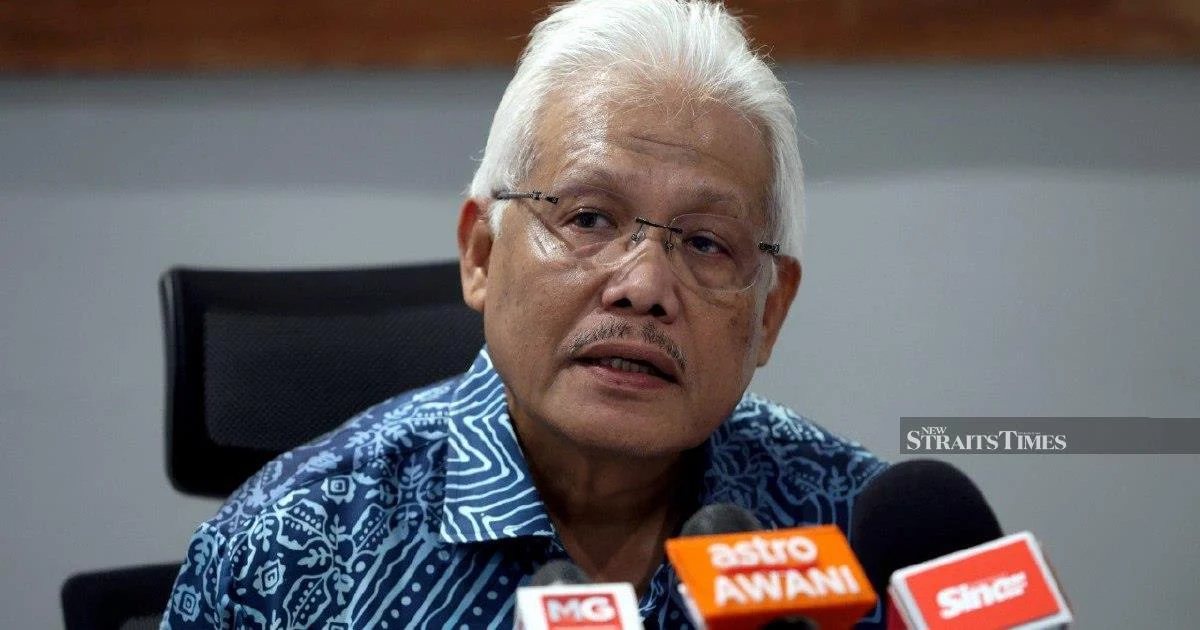
Hamzah Zainudin's leadership of Parti Wawasan Negara indicates the party sees an opportunity to leverage a centrist positioning between the two established players. The rebranding itself carries symbolic weight, moving away from the patriotic nationalism implied by Parti Cinta Malaysia towards a vision-based identifier with "Negara" (nation) at its core. This linguistic shift suggests the party is attempting to reframe itself not as another competitor for the same voter base, but as a stabilising force with a higher national purpose.
The friction between PAS and UMNO has dominated Malaysian politics for years, with periodic episodes of intense rivalry competing for votes among Malay-Muslim constituencies. When these two parties have collaborated—as during the formation of the Perikatan Nasional government—their alignment has proven potent enough to reshape the entire political landscape. Conversely, their public conflicts have energised their respective grassroots, created messaging confusion among voters, and sometimes resulted in electoral splits that allow other parties to capture constituencies neither wanted to lose.
From a governance perspective, the chronic tension between PAS and UMNO diverts political energy into managing inter-party dynamics rather than focusing resources on policy delivery. Voters in Malay-Muslim majority constituencies often find themselves caught between competing party narratives that emphasise differences in religiosity, governance philosophy, and developmental priorities. This constant jockeying can leave constituencies with unclear mandates and governments lacking the internal coherence needed for ambitious reform programmes.
Parti Wawasan Negara's bridge-building ambition arrives at a moment when both PAS and UMNO face internal pressures. UMNO is navigating questions about its long-term relevance after its historic 2020 election loss, while PAS has sought to establish itself as a competent administering force in states under its control. A neutral third party proposing dialogue rather than competition theoretically holds appeal to both organisations if framed correctly as enhancing rather than diminishing each party's influence.
The concept of preventing political divisions damaging to ordinary people requires unpacking. When Malaysia's major Malay-Muslim political forces are at loggerheads, several cascading effects typically emerge: parliamentary gridlock becomes more likely, coalition governments become unstable, policy implementation slows, and state governments ruled by one party may receive less federal support when the other party controls national power. For citizens in areas where this happens, the practical consequences include delayed infrastructure projects, unclear business regulations, and reduced government responsiveness to local concerns.
Historically, bridge-building efforts between Malaysia's largest political factions have required either a respected elder statesman figure with credibility across both camps, or a crisis severe enough to force reconciliation. Parti Wawasan Negara possesses neither the historical pedigree nor the current crisis impetus that has motivated past cooperation. Building credibility will require the party to demonstrate that its mediation efforts are genuinely neutral rather than designed to primarily benefit whichever faction it secretly favours.
For Malaysian politics more broadly, the emergence of a third force explicitly focused on unity rather than competition introduces an interesting variable. The success of such a strategy depends heavily on whether PAS and UMNO perceive the party as a genuine neutral player or as merely another competitor seeking electoral positioning. The track record of similar bridge-building initiatives in Malaysian history suggests that structural incentives matter more than good intentions—both major parties need concrete reasons to cooperate beyond appeals to national unity.
Regionally, Malaysia's political stability attracts attention from neighbouring countries and international observers monitoring the broader Southeast Asian political environment. If Parti Wawasan Negara succeeds in facilitating genuine dialogue between PAS and UMNO, it could provide a model for how emerging political parties can establish themselves through stabilisation roles rather than through confrontation. Conversely, if the effort becomes perceived as a failed venture by a smaller player trying to punch above its weight, it may reinforce the dominance of Malaysia's two largest Malay-Muslim political organisations.
The coming months will reveal whether Hamzah Zainudin's party can translate its stated ambitions into substantive dialogue. Success requires the trust of both PAS and UMNO leadership, substantive issues around which compromise is possible, and the ability to deliver negotiations that actually reduce rather than simply relocate political conflict. Malaysia's political history suggests such outcomes are possible but hardly inevitable—the easier path for Parti Wawasan Negara may prove to be simply participating in existing coalitions rather than fundamentally reshaping the relationship between the two major players.

