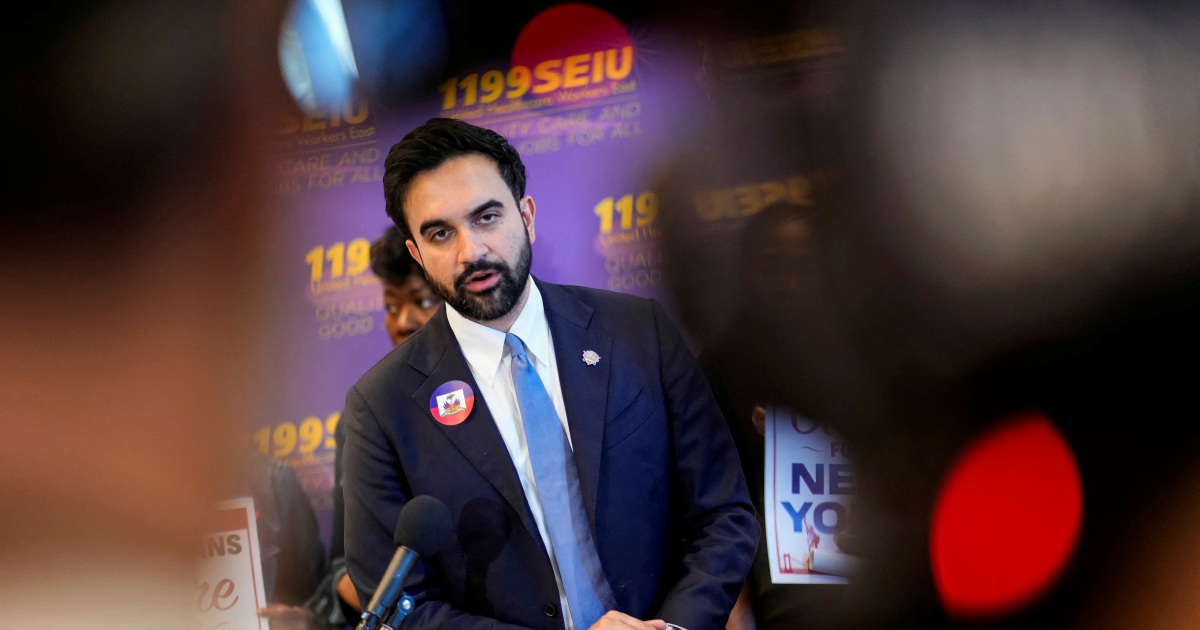
New York Mayor Zohran Mamdani has clarified that municipal authorities lack the legal power to apprehend Israeli Prime Minister Benjamin Netanyahu on war crimes allegations, effectively ending speculation that the city's leadership might take such dramatic action should the Israeli leader visit Manhattan. The reversal came after Mamdani had previously indicated he was contemplating whether such an arrest was feasible, a statement that generated significant international attention and diplomatic scrutiny.
The clarification reveals the complex jurisdictional boundaries that govern law enforcement in the United States. Although New York City commands substantial police resources and operates one of the world's largest municipal law enforcement agencies, a mayor's authority is circumscribed by state and federal legal frameworks. Mamdani's determination underscores that municipal officials cannot unilaterally pursue international criminal matters, which fall squarely within the purview of federal government bodies. This hierarchical constraint on local power applies regardless of the political inclinations of individual city leaders or the strength of public sentiment within their jurisdictions.
The episode highlights the tensions that have emerged globally surrounding Netanyahu's legal exposure to international accountability mechanisms. Allegations of war crimes, typically involving violations of international humanitarian law during armed conflicts, are formally investigated and prosecuted through mechanisms such as the International Criminal Court or specialized tribunals rather than through municipal police action. Even when visiting foreign nations, sitting heads of state or government enjoy certain immunities under customary international law, a principle that further complicates any unilateral arrest attempts by subnational authorities.
For Southeast Asian observers, this situation carries particular relevance given the region's own experiences with international law and sovereignty questions. Malaysia, which has hosted the International Criminal Court and supported accountability mechanisms, operates within a global legal system that delegates responsibility for investigating and prosecuting international crimes to designated bodies. The restraint demonstrated by New York's authorities, despite political pressure and genuine concerns about civilian casualties in conflict zones, reflects how established legal systems prioritize institutional frameworks over emotional or populist impulses.
Mamdani's initial contemplation of an arrest had generated diplomatic alarm, as any such action would have represented an extraordinary assertion of municipal authority into matters of international relations traditionally handled by the federal government. The US State Department and federal authorities would almost certainly have intervened to prevent or reverse any such arrest, given the implications for American foreign policy and international relations. Netanyahu's status as a sitting head of government would have triggered immediate legal complications and potential international incidents.
The reversal also demonstrates how legal expertise ultimately constrains political rhetoric. While Mamdani's initial consideration reflected genuine public anger in certain constituencies regarding civilian casualties and humanitarian concerns, the legal reality proved unbending. This gap between political desire and legal capacity is a fundamental feature of democratic governance, ensuring that individual officials cannot exploit their positions to pursue agenda items that fall outside their legitimate authority, regardless of how morally compelling the underlying cause may appear to their supporters.
The matter carries implications for how cities worldwide navigate their responsibilities regarding international justice. Urban centres hosting international institutions or serving as frequent destinations for global leaders will inevitably face political pressure to take autonomous action on international disputes. However, the New York case reinforces that such authority must flow through proper legal channels rather than through improvised municipal action. This principle, while sometimes frustrating to activists and concerned citizens, provides stability and predictability in the international system.
Mamdani's clarification also reflects the reality that war crimes allegations, while serious and deserving proper investigation, require rigorous legal procedures and appropriate institutional venues. The International Criminal Court, established through the Rome Statute and representing a global commitment to accountability, provides a framework for investigating such allegations through professional investigators and judicial processes designed to meet evidentiary standards and protect due process rights. Circumventing these mechanisms, even with laudable intentions, threatens their legitimacy and effectiveness.
For Malaysia and other Southeast Asian nations that have supported international accountability mechanisms while also navigating complex geopolitical relationships, the New York episode offers instructive lessons about the limits of unilateral action and the importance of working through established legal frameworks. The restraint ultimately demonstrated by Mamdani's office, despite initial bluster, reflects how experienced democracies ultimately defer to constitutional structures and international law rather than allowing political impulses to drive rogue official action.
The incident also underscores why sustained, systematic approaches to accountability—whether through international courts, truth commissions, or diplomatic pressure—prove more effective and sustainable than ad hoc municipal interventions. The underlying concerns about civilian protection in armed conflicts remain legitimate and pressing, but addressing them requires engagement with the proper institutional mechanisms rather than attempts to circumvent established legal authority.

