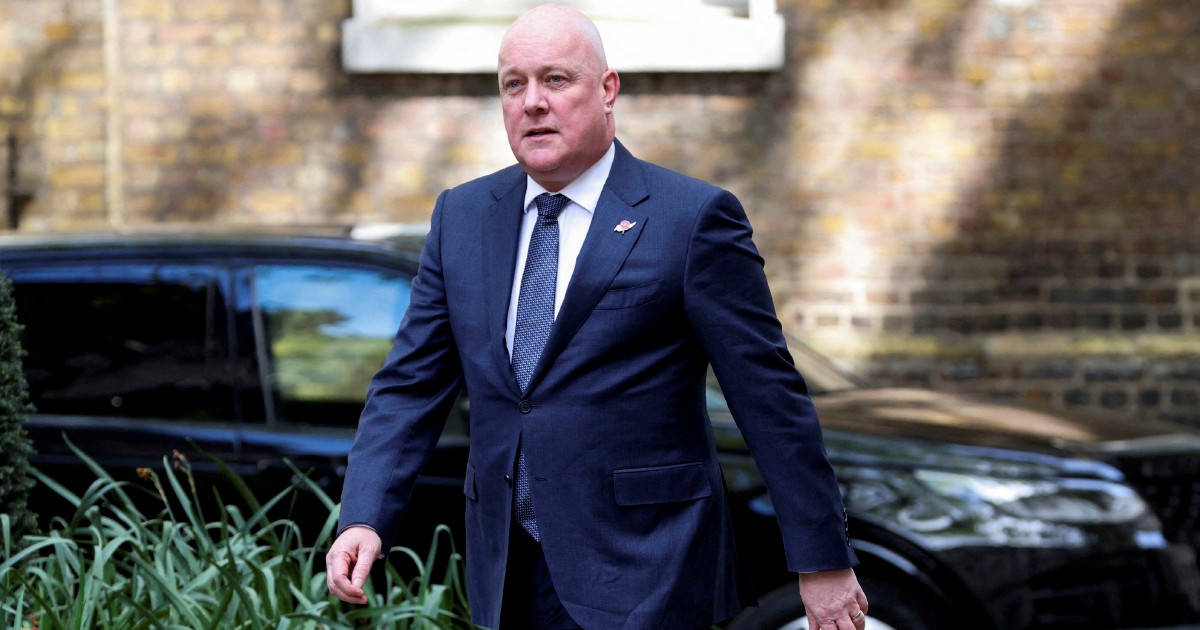
New Zealand Prime Minister Christopher Luxon has successfully weathered an internal party challenge to his leadership, emerging with what he describes as strong endorsement from the National Party at a critical moment in the political calendar. The challenge materialized with roughly three months remaining until the nation's next general election, raising stakes for both the prime minister and his governing coalition as voter attention intensifies toward the electoral contest.
Luxon's assertion of "full support" from party ranks represents a decisive outcome for a leader who faced internal questioning over his tenure. In parliamentary democracies, such challenges typically signal underlying dissatisfaction among MPs or party structures, making the resounding backing a significant morale booster for the National Party organization heading into the final campaign stretch. The timing of the challenge, occurring in the compressed pre-election period, underscores how party discipline and unity become especially valuable when voters are preparing to make their choices.
Leadership challenges in Commonwealth parliaments like New Zealand's often reflect broader concerns about political direction, polling performance, or ministerial effectiveness. By successfully navigating this test, Luxon demonstrates sufficient confidence among National Party colleagues to govern through to the election. This outcome typically stabilizes party messaging and reduces the internal distraction that can plague governing coalitions during their final months in office.
For Malaysian observers familiar with coalition politics, Luxon's situation offers parallels to the dynamics within ruling parties facing electoral pressure. The ability to maintain party unity while defending leadership positions is crucial in democracies where inter-party competition mirrors intra-party management. A prime minister weakened by internal rebellion risks projecting vulnerability to opposition movements, potentially accelerating a broader loss of voter confidence.
The National Party's demonstration of support for Luxon suggests calculations by senior MPs that maintaining leadership continuity serves the party's electoral interests better than attempting transition or replacement. Such pragmatism reflects the reality that election campaigns require stable, recognized leadership rather than mid-term upheaval that can confuse voters and consume campaign oxygen with internal party narratives.
New Zealand's electoral environment heading toward the general election remains fluid. By consolidating party backing, Luxon positions the National Party to present a unified front against Labour and other opposition groupings competing for voter support. This unity typically translates into more coordinated campaign messaging, disciplined parliamentary questioning, and coherent policy articulation—elements essential for government parties seeking re-election.
The challenge's emergence relatively close to election day reflects evolving assessments within the National Party about their positioning in public opinion. Some colleagues may have questioned whether alternative leadership could improve the party's electoral prospects, though the party ultimately judged Luxon's continuation optimal. This internal deliberation, while potentially destabilizing, ultimately reinforced the decision to maintain existing leadership.
For the broader Southeast Asian region, developments within major Commonwealth democracies like New Zealand carry interest for comparative governance analysis. How democracies manage internal party dynamics while campaigning offers insights into institutional resilience and political culture. New Zealand's relatively transparent handling of the challenge, where party positions can be openly discussed without extraconstitutional intervention, contrasts with governance approaches in other systems.
Luxon's survival of this test removes a significant distraction as the National Party enters intensive campaign preparation. Opposition parties cannot exploit internal instability arguments if the governing coalition demonstrates settled leadership. This stability becomes particularly valuable in economic conditions where governments face voter scrutiny over cost-of-living pressures, employment patterns, and social service delivery—issues relevant across developed democracies including New Zealand.
The challenge resolution also clarifies the leadership for New Zealand's voters, who benefit from knowing the prime minister facing them at election time will be the same figure throughout the campaign. Electoral clarity regarding leadership reduces speculative coverage and allows policy debate to dominate pre-election discourse. For citizens evaluating government performance and future direction, settled leadership enables more straightforward assessment of options before casting votes.
Moving forward, Luxon and his National Party colleagues must now focus campaign energy on distinguishing their policy platform from opposition alternatives. The leadership question having been resolved, party bandwidth previously consumed by internal considerations can redirect toward public-facing campaigning, policy development, and contrasting visions for New Zealand's economic and social future.

