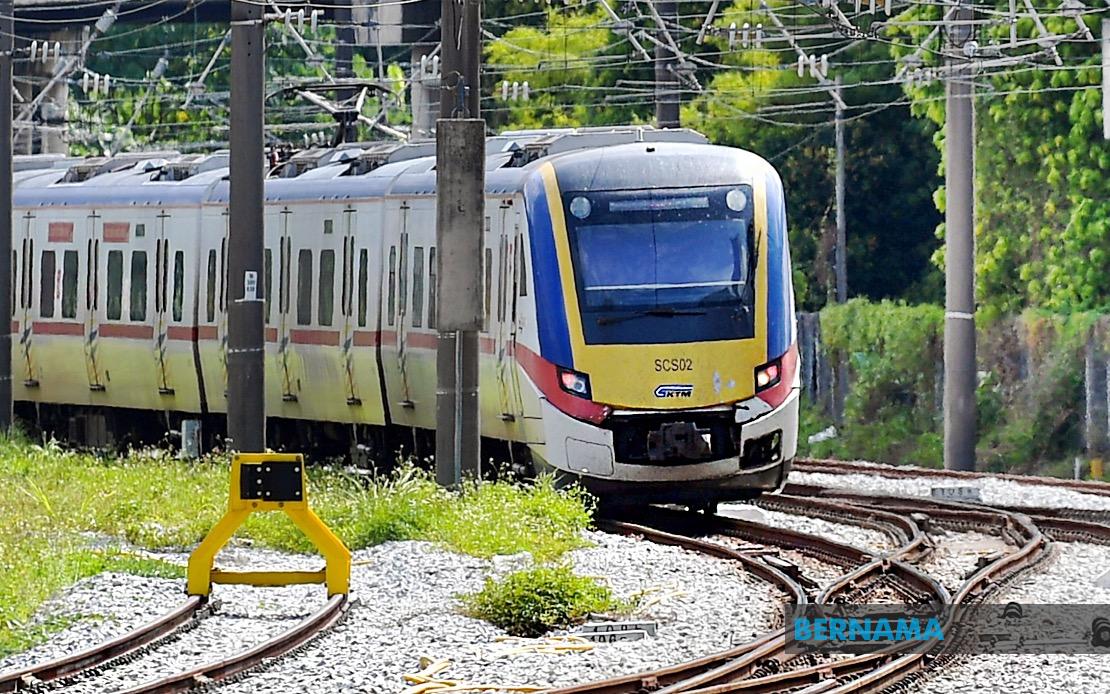
The Johor state election this Saturday has triggered a coordinated transportation effort to bring voters home, with both civil society and major transport operators stepping up services to manage the expected rush. An NGO called Stesen Pemantauan Rakyat is operating six free buses designed to carry 240 registered voters from outside the state, addressing a perennial challenge during Malaysian elections where millions live and work far from their constituencies.
The initiative reflects the practical difficulties faced by voters in a federal system where internal migration for employment and education is substantial. Yong Shui Wen, representing the NGO, explained that four buses will depart from Kuala Lumpur while two will collect passengers at the Sultan Iskandar Building Customs, Immigration and Quarantine Complex in Johor Bahru, serving voters who have travelled to Singapore. The service has proven popular; all available seats are already booked according to the spokesman, suggesting strong demand among the diaspora electorate.
The destinations served by these buses span significant portions of Johor's electoral geography. Routes include Tangkak, Muar, Batu Pahat, Pekan Nanas, Segamat, Labis, Kluang, Ayer Hitam and Kulai, covering multiple state constituencies across the southern peninsula. Departure times have been staggered strategically; buses from Kuala Lumpur will leave Friday evening at 9 pm to arrive in time for Saturday voting, while the Singapore services offer both a Friday night option and an early Saturday morning departure to accommodate different arrival preferences.
This voter transport initiative is not new. Stesen Pemantauan Rakyat has been running the programme since 2018, indicating it has become an established mechanism for supporting political participation among Johor voters residing outside the state. The consistent uptake and full booking of available seats suggests the initiative meets a genuine need that might otherwise prevent some voters from participating, particularly those with limited personal resources for travel or those working in neighbouring states without flexible leave arrangements.
The enthusiasm for returning to vote has not gone unnoticed by major transport operators. Keretapi Tanah Melayu Bhd, which runs Malaysia's Electric Train Service, announced a significant expansion of capacity for the crucial period spanning July 10 to 12. The KL Sentral-JB Sentral route, which connects Malaysia's two largest urban centres and is the primary intercity rail link for southern voters, will see capacity nearly doubled from 7,560 seats to 15,120 seats during this window. As of the afternoon of July 9, demand was already consuming capacity rapidly, with 84 per cent of available seats sold.
The surge in rail bookings illustrates the scale of inter-state movement triggered by elections. Nearly 13,000 seats on the primary KL-JB route had been reserved by mid-morning on July 9, leaving less than 2,400 tickets available. This velocity of sales underscores how quickly transport infrastructure reaches saturation during election periods. KTMB's proactive decision to double capacity rather than wait for formal requests reflects lessons learned from previous electoral cycles when services became overwhelmed and voters faced significant access challenges.
KTMB also expanded alternative routes to provide flexibility. The Gemas-JB Sentral service, which serves central Malaysian voters and those from Pahang heading to Johor, was increased from 630 seats to 4,410 seats. This route showed more moderate uptake with 47 per cent occupancy as of morning on July 9, suggesting it remains a viable alternative for voters willing to use slightly longer journey times. The persistence of available seats on this route provides a safety valve for latecomers unable to secure tickets on the direct express service.
Real-time ticket availability has become crucial for voters and families attempting to coordinate their travel. The KTMB Mobile app showed numerous peak-hour services on Friday and Saturday were nearly completely booked, yet the operator continues advising the public to check availability regularly as cancellations and additional services are released. This dynamic ticketing environment reflects modern transport management but also creates uncertainty for voters attempting to plan their return journeys precisely.
The electoral context driving this transport mobilisation is substantial. A total of 2,727,926 registered voters across Johor will participate in Saturday's election, selecting representatives for 56 state seats. Competition is fierce, with 172 candidates contesting across these constituencies, suggesting multiple candidates per seat and intensive campaign activity. The scale of the electorate and competitive intensity make transport access a meaningful factor in final turnout figures, particularly among voters whose participation requires overcoming logistical obstacles.
For Malaysian policymakers and electoral observers, the annual recurrence of transport bottlenecks during elections points to persistent structural challenges in the political system. The reality that significant numbers of voters must travel substantial distances to participate underscores demographic shifts and internal migration patterns that electoral constituencies have not fully accommodated. The reliance on voluntary NGO initiatives and commercial operators to supplement access suggests government transport planning does not systematically prioritise electoral participation as a public service priority during these periods.
The coordination between civil society and commercial transport operators, while effective in this case, also highlights gaps in formal electoral infrastructure. More integrated planning at state and federal levels, potentially through advance subsidisation of transport capacity or formal voter assistance programmes, might address these challenges more systematically. Nevertheless, the current ad-hoc approach has demonstrably worked to facilitate participation for thousands of outstation voters, maintaining the practical viability of representative democracy across a geographically dispersed electorate.

