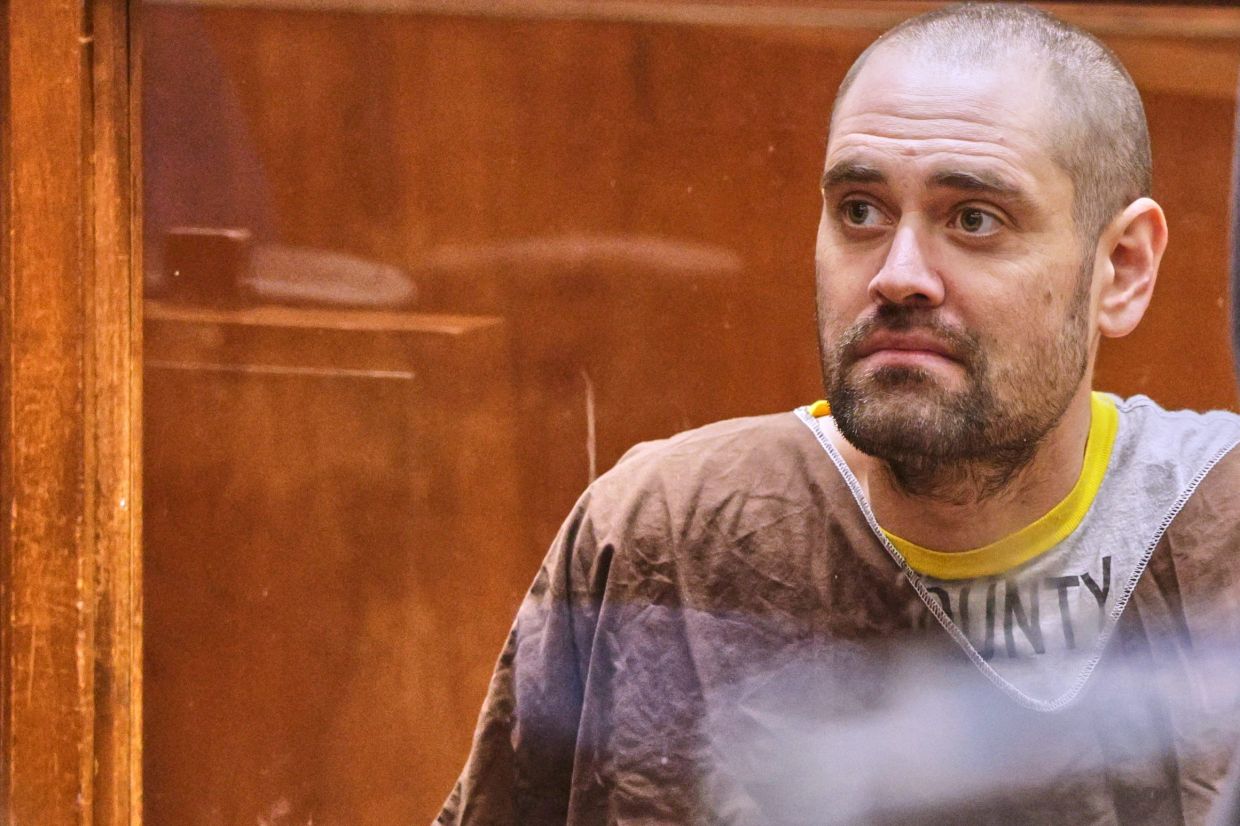
Nick Reiner, the 32-year-old son of acclaimed film director Rob Reiner, has filed a court petition in Los Angeles seeking immediate access to a family trust established by his late parents, arguing that the funds are essential to mounting a robust legal defence against murder charges. The filing, submitted to Los Angeles County court on Monday, contends that trustees managing the assets have wrongfully withheld money he is legally entitled to receive, hampering his ability to secure adequate legal representation.
The circumstances surrounding the case have drawn significant media attention. Rob Reiner and his wife Michele Singer Reiner, a photographer and producer, were found stabbed to death in their Brentwood home on December 14. Nick Reiner was arrested within hours of the killings and subsequently pleaded not guilty to two counts of murder. The case remains heavily shrouded in secrecy, with court orders sealing autopsy details and authorities declining to discuss potential motives or other investigative findings.
According to the petition filed by Nick Reiner's civil attorneys, the trust in question contains at least US$1.5 million in assets, though the exact value remains undisclosed by the current trustee. The document reveals that Rob and Michele Reiner established individual trusts for each of their three children separate from the larger family trust. Nick's trust, created in 1993, stipulated clear distribution terms: he was to receive half the assets upon turning 30 and the remainder at age 35. However, Nick Reiner claims he never received the funds due at 30, and the trustee has subsequently refused to release money owed at 35, citing various justifications that the petition characterizes as shifting and without legal foundation.
The petition's language reflects a delicate balancing act, emphasizing that the trust dispute is fundamentally separate from the criminal allegations. "Nick loved his parents, and he is devastated by their deaths," the filing states. "But the facts about what did and did not happen to them are not at issue in this Trust litigation. Like anyone accused of a crime, Nick is presumed innocent, and he is entitled to mount his defence with the resources that are lawfully his own." This framing attempts to establish that access to inherited funds is a straightforward legal matter distinct from the guilt or innocence question in the murder trial.
The financial crisis affecting Nick Reiner's legal strategy became apparent when his initial attorney, high-profile lawyer Alan Jackson, withdrew from the case less than a month after taking it on. Jackson declined to publicly explain his departure, but the petition reveals a critical detail: Nick's siblings Jake and Romy Reiner had initially agreed to fund Jackson's representation but later reversed their decision. In a declaration accompanying the petition, Jackson stated that "my firm stands ready, willing, and able to resume representation of Mr. Reiner" should the trust funds become available, suggesting his departure was financially motivated.
The trustee currently overseeing the funds is attorney Paul R. Kanin, who assumed the role in February. According to the petition, Kanin has employed what Nick Reiner's legal team describes as "a shifting series of excuses and justifications" to withhold payments, including raising concerns about Reiner's competence—a consideration the petition argues is irrelevant to executing the mandatory distribution terms established decades ago. Kanin has not responded to requests for comment regarding the assertions in the petition.
Nick Reiner's immediate circumstances add urgency to the trust dispute. The petition argues he requires funds not only for legal defence but also for basic necessities while in custody. This dual justification seeks to establish that the trust money serves legitimate, pressing needs beyond merely funding aggressive courtroom tactics. The framing suggests that withholding the funds effectively punishes a presently accused individual by restricting his access to resources that were unconditionally designated for him by his deceased parents.
The legal landscape of the murder case itself remains in early stages. Nick Reiner is scheduled for a pretrial hearing in September, and the criminal proceedings are described as moving slowly through the system. District Attorney Nathan Hochman has indicated that his office has not yet determined whether to pursue capital charges, meaning the death penalty remains a possibility if conviction occurs. The absence of public information about motives, combined with strict confidentiality orders and minimal leaks from either prosecution or defence, has left fundamental questions about the case unanswered in the public domain.
Jake Reiner, Nick's brother, offered a rare public glimpse into the family's turmoil in April when he described the situation as "a living nightmare" that is "too devastating to comprehend." His characterization captures the extraordinary complexity of the Reiner family's position—grieving the loss of their parents while simultaneously navigating the legal and personal implications of one sibling's murder charges. For Malaysian observers, this case underscores how even wealthy, prominent families face profound disruption when criminal allegations strike at their core, and how financial control through trusts can become contested in crisis situations.
Rob Reiner's legacy as a prolific and influential film director adds another dimension to the tragedy. His work during the 1980s and 1990s produced numerous celebrated films that shaped popular culture, making his death a significant loss to the entertainment industry. Nick's petition indirectly touches on this cultural significance by emphasizing that he is seeking to exercise legal rights independent of the accusations against him—a crucial distinction in a justice system premised on the presumption of innocence.