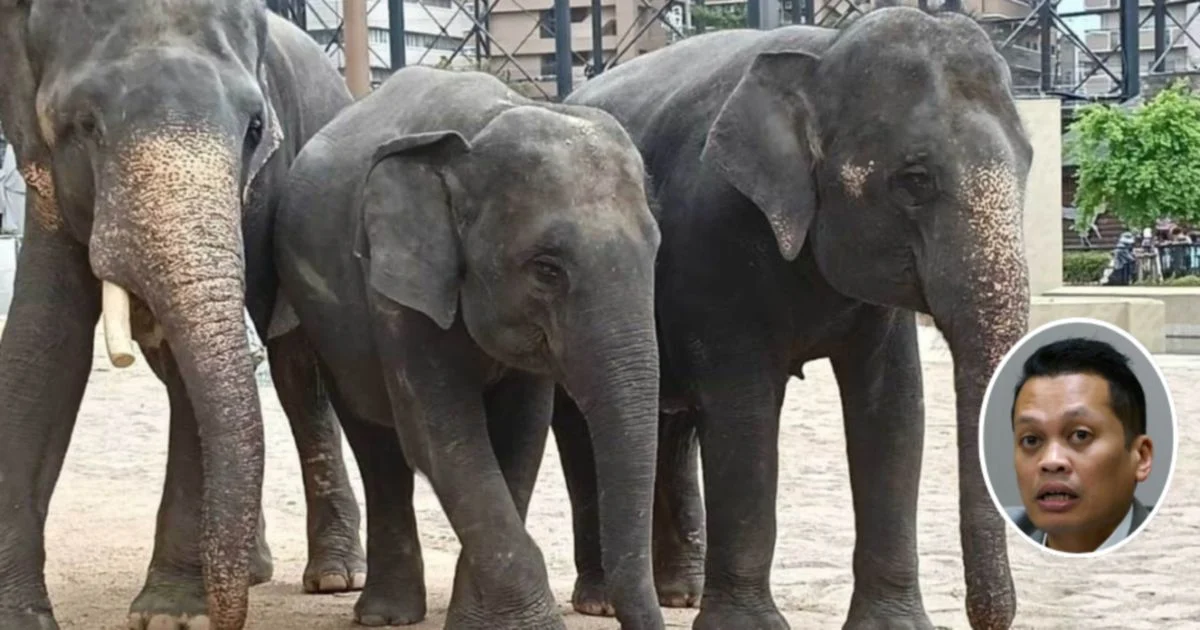
In a statement issued from the capital, Nik Nazmi Nik Ahmad, who previously held the portfolio for Natural Resources and Environmental Sustainability, has categorically repudiated suggestions that he participated in any wrongful conduct related to the relocation of three elephants destined for a zoo in Japan. The denial comes amid mounting public scrutiny over the massive sum associated with the animal transfer arrangement, prompting the former minister to directly address the allegations through formal communications.
The case centres on three elephants from Malaysian facilities that were relocated to a Japanese zoo, with investigations suggesting questionable financial transactions amounting to RM53 million accompanied the deal. Such arrangements typically involve considerable complexity given the international regulatory frameworks governing the movement of endangered species, veterinary transport requirements, and bilateral coordination between nations. However, the scale of expenditure reported has triggered questions among observers regarding the legitimacy and transparency of the procurement process.
For Malaysian readers and wildlife advocates, elephant conservation and relocation decisions carry significant weight. Malaysia's elephant population, concentrated primarily in Peninsular Malaysia and Sabah, faces mounting pressure from habitat loss and human-wildlife conflict. Any official decision to transfer animals abroad raises fundamental questions about domestically focused conservation priorities versus international zoo partnerships. The public discourse surrounding such transfers inevitably intersects with broader environmental governance concerns that resonate across the region.
The alleged payment irregularities have prompted serious examination of the institutional oversight mechanisms within Malaysia's natural resources sector. As a minister responsible for environmental and natural resources matters, Nik Nazmi would have wielded substantial influence over such decisions. His contemporaneous denial underscores the political sensitivity attached to the matter, particularly given the substantial public resources apparently committed to the transaction. The ministry's decision-making processes and approval hierarchies have consequently come under closer inspection.
International animal transfers between institutions typically require extensive coordination involving multiple governmental agencies, specialized transport companies, and veterinary experts. The costs can legitimately accumulate across these components, including quarantine facilities, specialist medical teams, airline arrangements for live animal transport, and habitat preparation at destination facilities. Nevertheless, the RM53 million figure has prompted observers to question whether standard protocols were followed or whether excessive markups and irregular commission structures may have inflated actual operational expenses.
Politically, the timing of such allegations carries implications extending beyond the wildlife sector. The former minister's tenure concluded during broader shifts in Malaysia's political landscape, with various administrations since then confronting legacy issues from previous governments. The elephant transfer controversy now intersects with enduring questions about ministerial accountability and institutional governance that repeatedly surface in Malaysian public discourse. Former officials frequently find themselves navigating accusations related to their successor administrations' discoveries of questionable decisions or financial arrangements.
From a regional perspective, this episode reflects broader challenges affecting Southeast Asian countries regarding wildlife management, international cooperation on endangered species, and the susceptibility of conservation programmes to administrative lapses or misconduct. Thailand, Indonesia, and other neighbouring nations have similarly grappled with controversies involving large-scale animal relocations and the financial irregularities that occasionally accompany them. The Malaysian case therefore contributes to accumulating experience across the region regarding best-practice safeguards needed for such initiatives.
The investigation mechanism itself remains a critical element of this narrative. Malaysian authorities investigating the transaction must balance thorough fact-finding with procedural fairness to involved parties, including the former minister. The investigation's scope, timeline, and eventual findings will significantly influence public confidence in institutional integrity and may establish important precedents regarding ministerial accountability in environmental and natural resources administration. These outcomes will likely reverberate across other sectors where similar complex international transactions occur.
Stakeholders monitoring this matter include not only environmental advocates but also taxpayer organisations and anti-corruption bodies focused on public fund stewardship. The alleged irregularities, if substantiated, would represent a particularly egregious breach of public trust given that natural resources ministries ostensibly operate under mandate to protect national environmental interests. Any established malfeasance would consequently underscore systemic vulnerabilities in oversight structures protecting public coffers.
For the wider public conversation surrounding governance in Malaysia, the elephant transfer case exemplifies persistent challenges in ensuring transparent and accountable administration of wildlife and environmental programmes. Institutional reforms strengthening procurement oversight, mandatory competitive bidding processes, and independent auditing mechanisms could potentially forestall similar controversies. The former minister's categorical denial may satisfy his immediate political position, but comprehensive investigation outcomes will ultimately determine broader assessments of administrative propriety and institutional accountability in Malaysia's natural resources sector.

