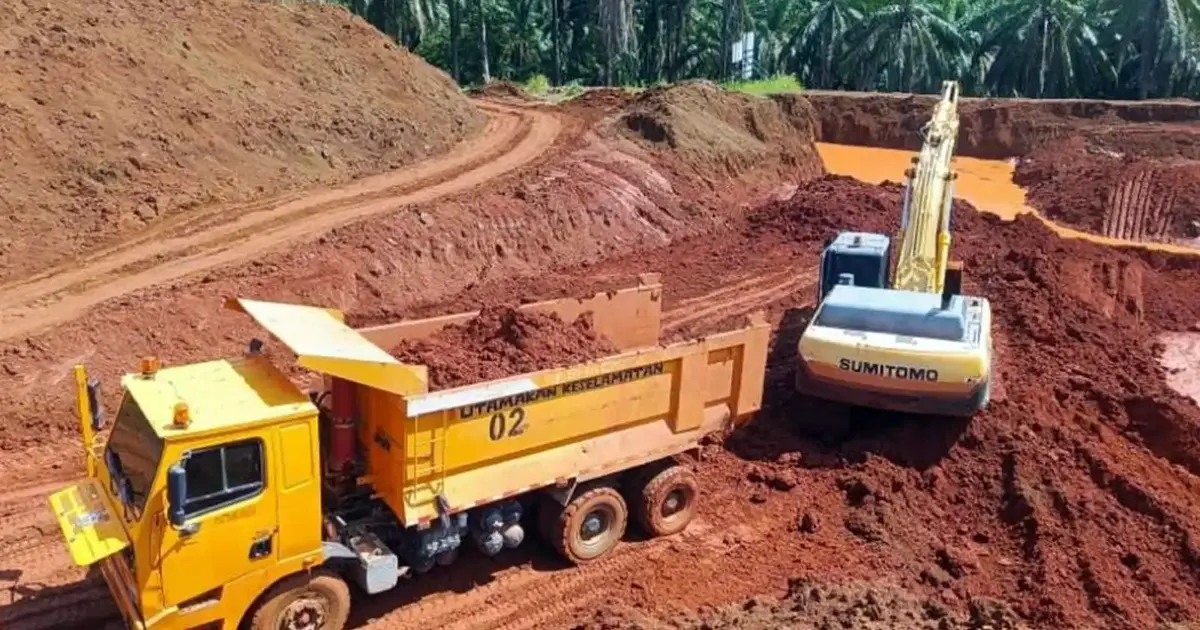
Authorities have dismantled what appears to be a substantial illegal bauxite mining operation, leading to the arrest of nine suspects during a coordinated raid on property within a Felda plantation. The General Operations Force conducted the enforcement action as part of ongoing efforts to curb unauthorised mineral extraction in the country. The scale of confiscated assets, valued at RM3.75 million, suggests the illicit operation had achieved significant material infrastructure before being discovered and shut down.
The majority of those detained are believed to be foreign nationals, indicating the involvement of international networks in Malaysia's illegal mining sector. This pattern reflects a broader challenge across Southeast Asia, where cross-border criminal syndicates exploit weak enforcement and porous borders to extract valuable minerals. The arrest of foreign suspects underscores the need for enhanced cooperation between Malaysian authorities and neighbouring countries to prevent such operations from establishing roots within the nation's resource-rich regions.
Felda plantations, which span hundreds of thousands of hectares across Malaysia, present both opportunities and vulnerabilities in the enforcement landscape. These agricultural zones, though designated for palm oil and other legitimate crops, have occasionally become targets for illegal mining because of their scale, remote sections, and sometimes insufficient security presence. The infiltration of mining operations into Felda land signals potential gaps in land management and surveillance that authorities must address to protect these state assets and the livelihoods of smallholders who depend on them.
The connection between illegal bauxite mining and organised crime has become increasingly apparent to regional law enforcement agencies. Bauxite, the raw material for aluminium production, commands steady international demand and offers quick returns for criminal networks willing to operate outside regulatory frameworks. By extracting and selling unrefined bauxite, these syndicates bypass licensing requirements, environmental safeguards, and tax obligations that legitimate operators must observe, creating unfair competition while degrading land and ecosystems.
Malaysia has grappled with illegal mining for decades, particularly in states with substantial mineral deposits. The crackdown reflects a commitment to protecting national resources and environmental integrity, though experts argue that sustained success requires more than occasional enforcement sweeps. Building permanent deterrence demands investment in surveillance technology, ground-level monitoring capacity, and intelligence networks capable of identifying emerging operations before they become entrenched. Intelligence-led policing has proven effective in other jurisdictions facing similar challenges.
The seizure of RM3.75 million in assets—encompassing machinery, vehicles, and materials—represents a significant material blow to the criminal network involved. However, the financial impact on the criminals must be weighed against the environmental cost of their activities. Uncontrolled bauxite extraction causes severe habitat loss, contaminates water sources, and renders land unsuitable for agricultural use for years. The true cost to society extends far beyond the asset values authorities recover.
International demand for bauxite continues to surge, particularly from China and other manufacturing hubs, creating persistent incentives for illegal extraction. This macroeconomic context means that eliminating one operation does not solve the underlying problem; criminal groups will likely attempt to rebuild or establish new sites unless market conditions change or enforcement becomes consistently punitive and certain. Malaysia's challenge mirrors that faced by mining-rich nations across Africa and Latin America, which contend with similar pressures from global commodity markets.
The General Operations Force's involvement signals that authorities view this operation with sufficient gravity to warrant deployment of specialised paramilitary units typically tasked with internal security matters. This escalation reflects concern about the scope or sophistication of the illegal operation, or possibly about armed resistance anticipated during the raid. The presence of foreign nationals may also have triggered heightened security protocols, given potential associations with international criminal networks capable of violence.
Moving forward, maintaining the gains from this raid requires systematic follow-up. Investigators will examine financial records, communications, and supply chains to identify accomplices, customers, and enablers within Malaysia's formal economy. Understanding how contraband bauxite entered export channels is critical, as it exposes corruption or negligence in port authorities, trading companies, or regulatory agencies that should have detected illegal shipments. Prosecutions extending beyond the arrested individuals to corrupt intermediaries would strengthen deterrence.
State governments holding jurisdiction over Felda areas and mineral-rich territories must enhance coordination with federal law enforcement to prevent similar infiltrations. Regular aerial and ground surveys of plantation boundaries, coupled with community engagement programs encouraging locals to report suspicious activity, can improve early detection capabilities. Investment in fencing, checkpoints, and ranger patrols may appear costly but would prove economical compared to the scale of losses from uncontrolled extraction.
The raid also highlights Malaysia's broader vulnerability to organised crime capitalising on valuable natural resources. Beyond bauxite, authorities combat illegal logging, wildlife trafficking, and water theft, each involving sophisticated criminal networks. A comprehensive approach addressing root causes—corruption, weak local governance, poverty in surrounding communities, and insufficient livelihood alternatives—would complement enforcement efforts and reduce the appeal of illegal extraction to desperate individuals recruited by syndicates.
International collaboration remains essential, particularly given the foreign nationals' involvement. Information sharing with countries of origin and destination markets for bauxite can dismantle supply chains and identify funding sources. Interpol and regional forums like ASEAN can facilitate coordination, while Malaysia can advocate for stricter international standards regarding the sourcing and documentation of minerals, making it harder for illegal bauxite to enter legitimate commerce disguised as legally extracted material.

