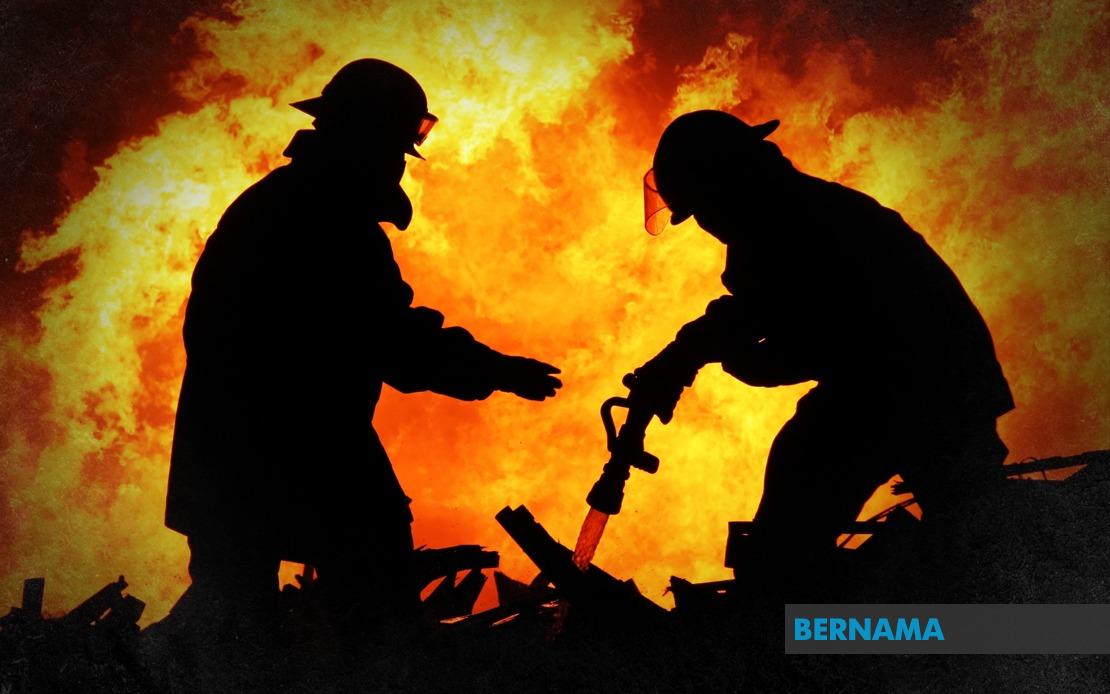
An explosion at a firecracker manufacturing facility in Gujarat's Ahmedabad district has claimed nine lives, with six additional workers sustaining injuries in the catastrophic Saturday blast. The incident occurred at Talent Fireworks, located in the Vastral area of the state capital, highlighting ongoing safety concerns across India's largely unregulated pyrotechnics industry. Authorities have initiated investigations into the exact cause of the explosion, while the factory's proprietor has been taken into custody by police for operating the facility without proper authorisation.
The factory, which was functioning in contravention of licensing regulations, lacked the mandatory permits and safety certifications required by Indian law for explosive manufacturing operations. This revelation underscores a persistent pattern within the sector whereby numerous producers continue unauthorised production to avoid compliance costs and bureaucratic oversight. Local media sources confirmed the unlicensed status immediately following the disaster, raising questions about the effectiveness of regulatory enforcement mechanisms at both state and municipal levels. The Ahmedabad Municipal Corporation has launched an inquiry to determine how the operation escaped detection for what officials suggest may have been an extended period.
Prime Minister Narendra Modi issued a statement expressing condolences to the bereaved families and announced immediate financial assistance from the Prime Minister's National Relief Fund. Each next of kin of the deceased will receive 200,000 rupees, equivalent to approximately RM8,490, from the federal relief mechanism. This intervention reflects the gravity with which the central government views workplace fatalities, particularly those involving illegal operations. Modi's response came swiftly, signalling political sensitivity around industrial accidents in a state governed by his own party.
Complementing the federal assistance, Gujarat Chief Minister Bhupendra Patel declared that the state government would provide additional support of 400,000 rupees, roughly RM16,980, to each bereaved family. This state-level commitment brings total immediate relief per deceased worker's family to 600,000 rupees, or approximately RM25,470. While such compensation offers some financial respite, it does little to address the systemic deficiencies that enable dangerous working conditions to proliferate across India's manufacturing landscape. The dual-level government response, though swift by some standards, arrives after the tragedy rather than preventing it through effective regulatory oversight.
Fireworks manufacturing has emerged as one of India's most hazardous unregulated industries, with periodic disasters claiming scores of lives across different states. The sector's concentration in states like Tamil Nadu, Telangana, and Gujarat reflects historical clustering and supply chain dynamics, but also the prevalence of informal operations that prioritise production over worker protection. Many of these facilities operate from residential or semi-industrial areas, exposing surrounding communities to substantial risk during manufacturing accidents. The absence of modern safety equipment, inadequate ventilation systems, and minimal worker training compounds the dangers inherent to handling explosive materials.
For Malaysia's industrial regulatory bodies and occupational safety authorities, India's recurring firecracker factory disasters offer cautionary lessons about the importance of stringent enforcement mechanisms. While Malaysia maintains relatively robust inspection and licensing regimes for hazardous industries, the comparative experience in South Asia demonstrates how regulatory gaps can quickly generate human tragedy. The Vastral explosion serves as a reminder that prosperity and modernisation do not automatically translate to workplace safety improvements unless supported by consistent governmental vigilance and industry cooperation.
The incident also reflects broader regional vulnerabilities in occupational health and safety across South Asia, where economic pressures and entrepreneurial ambitions frequently outpace regulatory compliance. Workers in informal manufacturing sectors often lack union representation, safety training, and awareness of their rights, creating environments where corners are cut and risks are normalised. The nine deceased workers at Talent Fireworks likely experienced conditions that would be immediately shut down in developed nations, yet persisted because enforcement remained sporadic and penalties insufficient to deter violations.
Investigations into this particular explosion will examine whether structural defects, inadequate storage of raw materials, or procedural failures triggered the initial ignition. Forensic teams are examining the factory's ruins to reconstruct the sequence of events. However, regardless of the specific trigger, the unlicensed operational status represents a fundamental systemic failure that enabled a preventable catastrophe. The arrest of the factory owner may provide some legal recourse, but prosecuting individual operators addresses symptoms rather than the disease of widespread non-compliance plaguing India's pyrotechnics sector.
The financial compensation announced by Modi and Patel, while substantial in Indian context, raises questions about adequacy and long-term support for families who have lost primary wage earners. Workers in unlicensed facilities typically lack formal employment documentation, complicating insurance claims and pension eligibility. Many bereaved families will struggle to navigate bureaucratic processes to access government relief funds, particularly those from migrant worker backgrounds who may lack local connections and documentation. The state government would need to establish dedicated support mechanisms to ensure families actually receive promised assistance without excessive delays.
Looking forward, the Vastral tragedy should catalyse comprehensive regulatory reform within Gujarat's pyrotechnics industry, encompassing surprise inspections, modernised safety standards aligned with international protocols, and substantial penalties for non-compliance. Educational campaigns targeting workers about their rights and safety responsibilities could complement enforcement efforts. Additionally, the central government might consider establishing a dedicated occupational safety fund specifically for high-risk informal sectors, providing subsidised insurance and safety equipment to small manufacturers willing to formalise operations. Without such structural interventions, similar disasters will continue occurring with predictable regularity across India's manufacturing landscape.

