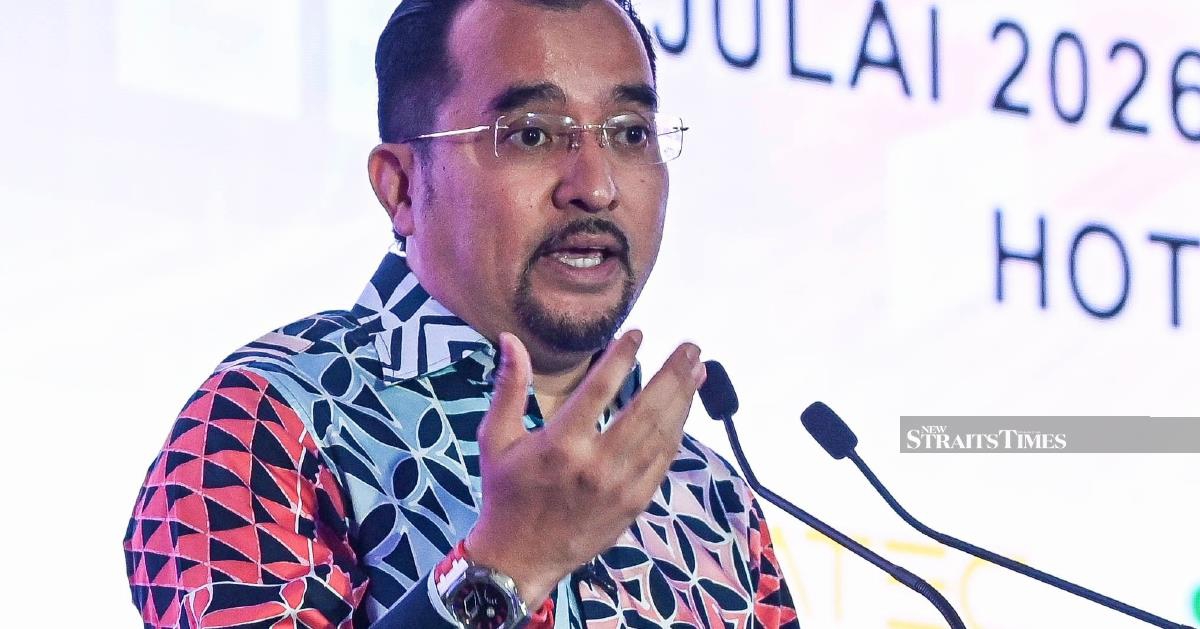
The push for accountability surrounding the Tabung Haji Royal Commission of Inquiry reached a significant juncture as Umno's secretary-general Datuk Dr Asyraf Wajdi Dusuki emphasised that the findings must be pursued without fear or favour. In a firm statement, Asyraf Wajdi declared that nobody should benefit from immunity if the RCI report reveals instances of misconduct, corruption, or misuse of power at the pilgrimage fund management board.
This declaration reflects growing pressure within Malaysia's political establishment to ensure that the RCI process—one of the nation's most significant institutional reviews in recent years—delivers uncompromising results. Tabung Haji, the statutory body responsible for managing funds collected from Malaysian Muslims undertaking the hajj pilgrimage, has faced persistent scrutiny over its financial management and investment decisions. The Royal Commission's establishment itself signalled serious concerns about how the organisation had operated, prompting calls for comprehensive investigation into systemic failures and individual accountability.
Ashyraf Wajdi's statement carries particular weight given his position within Umno, Malaysia's largest political party and the dominant coalition partner in government. By explicitly rejecting any notion of shielding, he sends a clear message that even high-ranking officials or connected figures cannot expect protection from consequences if evidence of wrongdoing emerges. This positioning aligns with broader public expectations that the RCI process must be conducted with genuine independence and rigorous scrutiny.
The Tabung Haji situation had drawn considerable attention due to the religious and cultural significance of the hajj pilgrimage in Malaysian Muslim society. Malaysians who entrust their savings to the fund do so with the understanding that their money will be safeguarded and invested prudently. Revelations of mismanagement or corruption would represent not merely a financial breach but a betrayal of public trust at a deeply personal level for millions of contributors.
Historically, royal commissions in Malaysia have examined matters of substantial public interest, from institutional frameworks to financial irregularities affecting large populations. The Tabung Haji RCI follows this tradition by seeking to establish facts and determine responsibility for any institutional failures. The scope of such inquiries typically extends beyond identifying systemic problems to pinpointing individual actions and decisions that contributed to those problems.
Asyraf Wajdi's insistence on universal accountability also reflects contemporary governance discourse in Southeast Asia and globally. Emerging standards expect that institutional accountability mechanisms should not become instruments for selective justice or political protection. The credibility of the RCI itself depends partly on how thoroughly it investigates and whether its recommendations are implemented comprehensively, regardless of who the individuals implicated may be.
For Malaysian Muslims and contributors to Tabung Haji, such reassurances about the investigation's independence offer some assurance that their concerns will be taken seriously. The pilgrimage fund serves as a vital financial instrument for many Malaysians, particularly from middle and working-class backgrounds, to fulfil one of Islam's five pillars. Any misuse of such funds carries both material and spiritual implications for contributors who view their participation as a religious obligation supported by a trustworthy institution.
The RCI's findings will likely extend beyond individual culpability to encompass governance reforms, oversight improvements, and structural changes needed to prevent recurrence of identified problems. However, the principle that Asyraf Wajdi articulated—that no individual should escape accountability—addresses a fundamental aspect of institutional credibility. Public institutions in Malaysia and elsewhere lose legitimacy when investigations appear to spare certain individuals from scrutiny or consequences due to their position or connections.
Government institutions across Southeast Asia have increasingly faced questions about governance standards and corruption. Malaysia's commitment to investigating Tabung Haji thoroughly positions it within a regional conversation about institutional accountability and transparency. How the nation follows through on the RCI's recommendations will signal broader commitment to good governance principles.
The timing of such reassurances about the RCI process also matters. As public discourse intensifies around institutional reform and accountability, political leaders who publicly endorse rigorous investigation without exceptions help establish a norm that transcends partisan considerations. Asyraf Wajdi's statement demonstrates that demanding comprehensive accountability need not be framed as partisan opposition but can be articulated as a shared commitment to institutional integrity.
Looking forward, the RCI report and subsequent government action will be closely monitored by Malaysian Muslim contributors, governance advocates, and observers tracking institutional accountability across the region. The extent to which findings are acted upon—particularly where they implicate individuals of influence—will determine whether the inquiry truly delivered on the promise of unshielded accountability that political leaders like Asyraf Wajdi have articulated.

