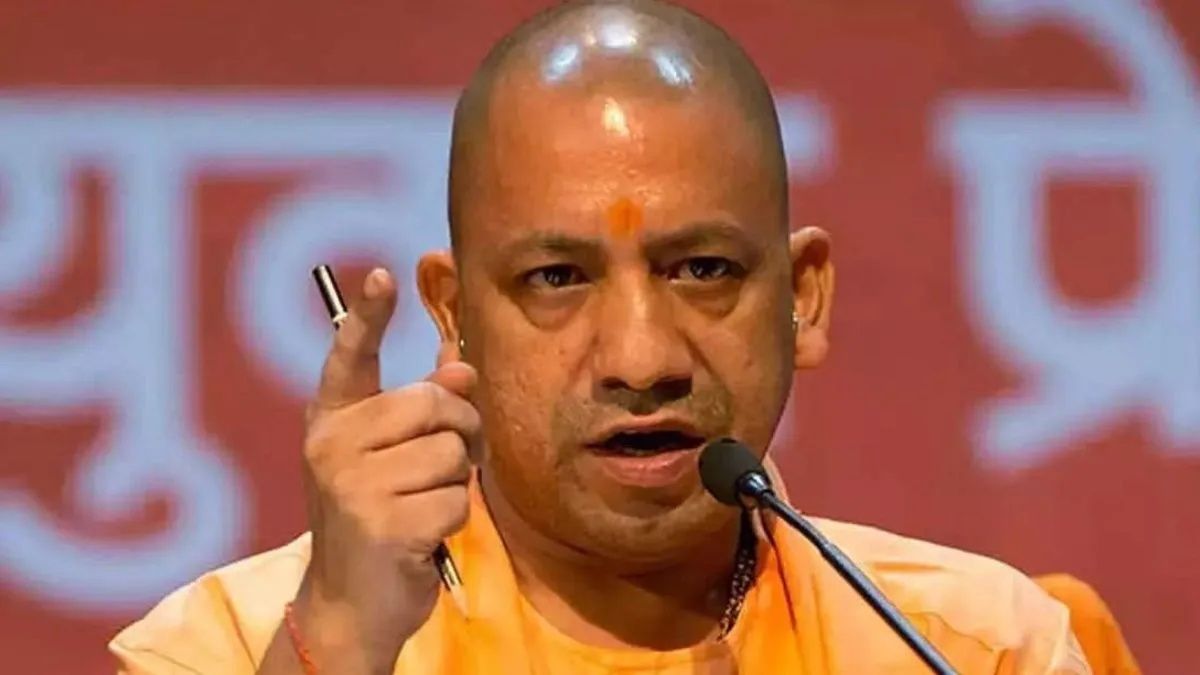
Uttar Pradesh Chief Minister Yogi Adityanath has pledged firm action against those responsible for misappropriating donations at the Shri Ram Janmabhoomi Teerth Kshetra, declaring that undermining the religious sentiments of devotees will not be permitted under his administration. His remarks came shortly after the Special Investigation Team submitted its report, prompting the filing of the initial First Information Report in the matter. The Chief Minister's strong stance reflects the political sensitivity surrounding one of India's most significant religious sites, particularly given the temple's completion in 2024 following decades of legal and political contention.
Addressing a gathering in Deoria during a public event on Friday focused on development projects, Adityanath underscored the gravity of the allegations, stating that separating facts from misinformation would be a priority. He framed the investigation as essential to protecting the sanctity of Ayodhya, which he characterised as a cornerstone of faith not only for Hindus but for the broader cultural and spiritual identity of India. The Chief Minister referenced his own visit to Ayodhya on June 19, when he had already signalled that the administration would respond decisively once the SIT completed its findings.
The donation theft incident has reignited discussions about governance and accountability at one of India's most visited pilgrimage destinations. The temple, which formally opened to the public in January 2024, has attracted millions of devotees and generated substantial financial contributions. The allegations of misappropriation have cast scrutiny on fund management systems and oversight mechanisms at the shrine, raising questions about how donations are collected, documented, and utilised for temple operations and charitable purposes. For Malaysian observers, the incident illustrates how religious institutions across South Asia navigate complex administrative responsibilities alongside their spiritual missions.
Adityanath directed sharp criticism at the Indian National Congress and the Samajwadi Party, portraying them as historically hostile to the Ram Janmabhoomi movement. He recalled Congress's long-standing opposition to the temple's construction, noting that the party had contested the matter through the courts with extensive legal representation rather than accepting the eventual Supreme Court judgment that paved the way for the shrine's completion. The Chief Minister's invocation of historical grievances served to frame the current controversy within a broader narrative of political and ideological competition over religious symbolism in India.
The Chief Minister escalated his rhetoric by connecting the opposition parties to communal tensions in Uttar Pradesh's recent past. He referenced incidents including the Lar riot and alleged attempts to restrict religious celebrations such as Ram Navami, Krishna Janmastami, the Kanwar Yatra pilgrimage, and Durga Puja festivities under previous administrations. These assertions, while contentious and subject to historical interpretation, reflect the polarised nature of religious politics in India's most populous state. The approach exemplifies how governance disputes increasingly intertwine with religious identity and historical memory in contemporary Indian politics.
Adityanath framed the donation case within a broader critique of administrative failures under predecessor governments. He claimed that the Samajwadi Party had engaged in systematic plunder and corruption during its tenure, and that the current BJP-led administration has halted such practices. According to this interpretation, opposition parties now facing reduced influence have pivoted toward attacking the government on religious grounds as a compensatory strategy. This framing suggests that the Chief Minister views the donation controversy not merely as a financial crime but as part of a political struggle over legitimacy and public trust.
The Chief Minister issued a direct appeal to opposition figures and critics, urging restraint and warning against further aggravating devotee sentiment. He insisted that if opposition parties possessed credible evidence of wrongdoing, they should present it to the SIT rather than making public allegations that he characterised as unfounded and motivated by political calculation. Conversely, he demanded that critics cease accusations if they lacked substantiation. This conditional language suggested an attempt to establish parameters for acceptable political discourse around the matter while simultaneously delegitimising opposition commentary.
Adityanath emphasised that the government's commitment to transparency and accountability would be demonstrated through the investigative process. He stressed that senior officers were conducting a thorough examination and that political commentary should be minimised to allow the SIT to function without interference or distraction. This appeal reflected an awareness that high-profile corruption allegations at major religious institutions risk undermining public confidence and generating reputational damage that extends beyond the individuals involved to encompass institutional legitimacy more broadly.
The political contours of this case carry implications for Malaysia and the broader Southeast Asian region, where Hindu-majority communities and their relationship with both local and foreign religious institutions remain culturally significant. The intersection of governance, fund management, and religious sentiment evident in the Ram Temple controversy illustrates challenges that multi-religious societies must navigate when safeguarding institutional integrity while respecting devotee trust. Malaysian authorities overseeing Hindu temples and other religious sites may observe how the Uttar Pradesh government balances accountability measures with claims of protecting communal harmony and religious dignity.
The donation case also reflects evolving expectations regarding transparency in major religious institutions. International donors, diaspora communities, and pilgrims increasingly expect detailed accounting of how contributions are deployed. The investigation's findings and any subsequent accountability measures will likely set precedents for how other major temples across India manage donations and demonstrate financial governance. For Malaysian Hindu temples and cultural institutions that receive contributions from local communities and international donors, the Ram Temple case may prompt internal reviews of accounting procedures and administrative safeguards to prevent similar controversies.
As the investigation proceeds, the political dimension of the case will likely remain prominent in Uttar Pradesh's public discourse. The Chief Minister has positioned the government as a defender of religious sentiment against what he portrays as exploitative opposition politics, a framing that resonates with his political base but faces scepticism from critics who emphasise the need for institutional accountability independent of partisan considerations. The ultimate resolution of the donation case will test whether administrative action can satisfy both demands for accountability and concerns about protecting the temple's sanctity and pilgrims' faith.

