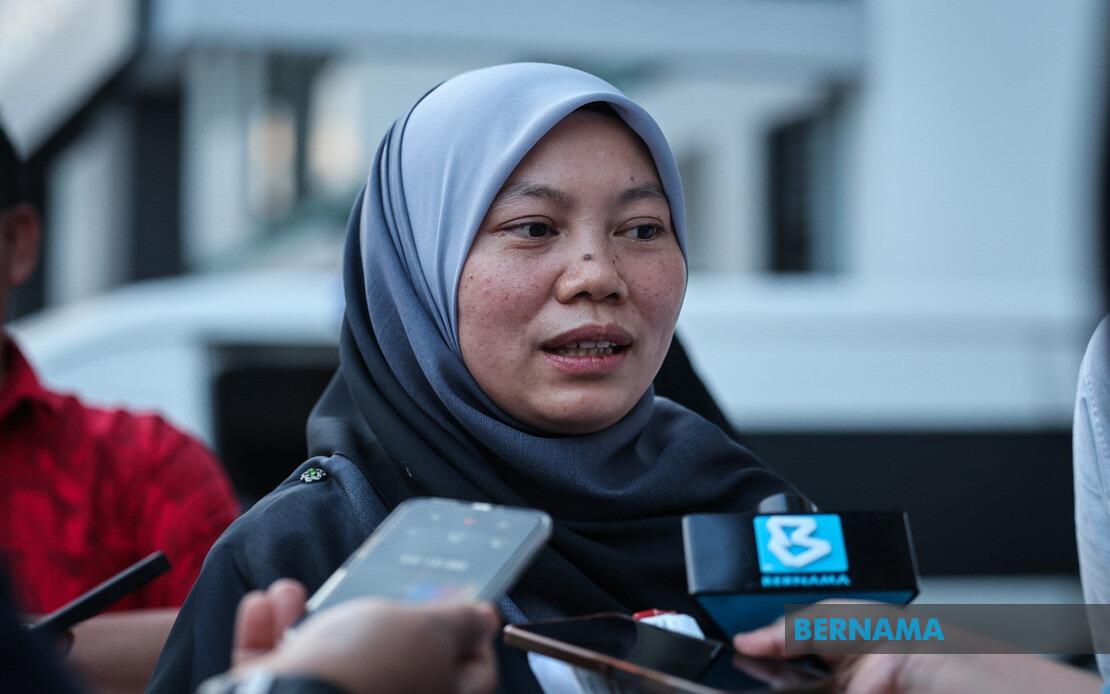
The Pakatan Harapan campaign for the Tiram state seat is gaining momentum, with candidate Nor Zulaila Abd Ghani projecting optimism about her prospects in the upcoming Johor election. Speaking in Pasir Gudang during a meet-and-greet with Entrepreneur Development and Cooperatives Minister Steven Sim Chee Keong, she credited the positive reception encountered on the ground during the campaigning period with bolstering her confidence in voter acceptance. The grassroots support she has observed while meeting constituents suggests that the coalition's message is resonating across the constituency, a crucial indicator in state-level contests where local sentiment often determines electoral outcomes.
Since launching her campaign, Nor Zulaila has witnessed markedly encouraging responses from residents, a pattern that stands in sharp contrast to the isolated instances of criticism that have emerged primarily through social media platforms. While Facebook and other online channels have hosted some disparaging remarks directed at the PH campaign, these digital objections have not translated into visible hostility during face-to-face interactions in the community. This distinction between online rhetoric and on-ground sentiment is significant, as it suggests that negative commentary may not reflect authentic voter sentiment in Tiram, particularly among those actively engaged in local politics.
A defining element of Nor Zulaila's campaign strategy centres on unconventional engagement with the youth demographic, an increasingly important voting bloc in Malaysian elections. Rather than relying solely on formal political rallies and town halls, she has deliberately embedded herself in recreational and sporting activities that resonate with younger constituents. Her participation in sepak takraw tournaments, futsal matches, and snooker competitions alongside community members creates informal settings where political messaging becomes secondary to relationship-building. This approach acknowledges a fundamental reality: many young Malaysians harbour scepticism toward the political establishment and are unlikely to be swayed by traditional campaigning methods alone.
The underlying rationale for this grassroots sports engagement reflects a broader educational objective within Nor Zulaila's campaign messaging. She has consistently emphasised to young voters that electoral participation represents a fundamental civic responsibility, irrespective of their personal enthusiasm for politics. By framing the act of voting within the context of their daily lives and the tangible impact government policies have on youth—from employment opportunities to recreational facilities—she attempts to bridge the engagement gap that has historically limited youth turnout in Malaysian state elections. This messaging strategy recognises that many young people understand intellectually that government decisions affect them, yet struggle to connect that abstract knowledge with the concrete act of casting a ballot.
The candidate has also voiced concern over recent vandalism targeting her campaign billboard, an incident that underscores the occasionally contentious nature of electoral campaigns in Malaysia. While such acts remain relatively uncommon, their occurrence raises questions about the civility of political discourse during election periods. Nor Zulaila's expressed hope that the remaining campaign phase will remain free of similar incidents reflects both her preference for ethical competition and her implicit recognition that such vandalism can damage the reputation of all political stakeholders in the eyes of undecided voters who value decorum and respect in public discourse.
The Johor state election scheduled for July 11, with early voting on July 7, represents the first significant test of voter sentiment following the recent shift in the state's political landscape. The Tiram constituency, encompassing portions of Pasir Gudang in the eastern Johor region, has historically been a competitive seat where both ruling and opposition coalitions have mounted serious challenges. Understanding local economic grievances, infrastructural development priorities, and community-specific concerns therefore becomes essential for any candidate seeking to secure victory. Nor Zulaila's emphasis on engaging diverse segments of the constituency through multiple platforms suggests awareness of this requirement.
The involvement of Minister Steven Sim Chee Keong in the campaign event further demonstrates the coalition's commitment to the Tiram contest. His presence, alongside Nor Zulaila's direct constituency work, indicates that PH intends to mobilise both national party machinery and local grassroots networks to maximise voter turnout among sympathetic segments. For Malaysian readers observing state elections, such dual-track campaign approaches—combining senior leadership visibility with candidate-driven community engagement—have proven effective in generating both traditional and non-traditional voter participation.
From a regional perspective, the Johor contest carries implications extending beyond state boundaries. As Malaysia's most populous state and an economic powerhouse, Johor's electoral direction influences national political calculations and coalition viability. A strong performance by PH in contested seats like Tiram could signal shifting voter preferences in urban and semi-urban areas, potentially affecting subsequent federal-level political manoeuvring. Conversely, weakness in such constituencies might suggest that the coalition faces challenges in translating national support into state-level gains, a persistent tension in Malaysian electoral politics.
The strategic focus on youth engagement through sports and recreational activities reflects evolving campaign sophistication in Malaysian politics, where data analytics and demographic targeting have become increasingly important. Rather than broadcasting identical messages to all voter segments, modern campaigns like Nor Zulaila's tailor approaches to specific demographic groups based on their demonstrated preferences and communication channels. This segmentation suggests that Malaysian political campaigns are adopting more sophisticated, targeted methodologies that may ultimately influence how parties interact with constituents beyond the election period, potentially improving representation and responsiveness if successfully integrated into governance.

