The Malaysian Defence Ministry has pushed back against parliamentary criticism over the RM571.9 million payment to Norway's supplier of the Naval Strike Missile system, insisting the funds were released strictly in accordance with contractual milestones rather than as an upfront advance. The clarification came in response to concerns raised by opposition lawmakers about the timing and safeguards of the transaction, which has become contentious following Norway's decision to revoke the export licence for the anti-ship missile system destined for Malaysia's Littoral Combat Ship fleet.
MINDEF's written parliamentary reply outlined that the Norwegian supplier had completed full manufacturing of all NSM systems and successfully satisfied rigorous testing protocols established by the Royal Malaysian Navy before the payment was triggered. This staged payment structure, the ministry contended, aligns with standard international defence procurement practices where disbursements correlate directly with deliverable milestones rather than being released upfront. The clarification addresses a key concern among legislators who had questioned whether Malaysia's government had released the substantial sum prematurely, potentially leaving the nation exposed to financial risk.
The ministry further disputed allegations that the procurement contract lacked protective clauses for Malaysia's interests, asserting that the agreement contains explicit provisions enabling the government to pursue remedial action should the supplier fail to perform or breach its obligations. These contractual safeguards, MINDEF suggested, provide recourse mechanisms available to the Malaysian government in the current impasse. The inclusion of such clauses demonstrates that the defence establishment had not approached the transaction recklessly, though their enforceability depends significantly on the supplier's capacity and willingness to honour commitments despite the Norwegian export licence revocation.
The revocation of the export licence by the Norwegian government represents an external factor beyond the direct control of Malaysia's authorities or the equipment supplier. This distinction is important for understanding the nature of the current predicament facing the defence establishment. MINDEF indicated that it is now invoking available contractual provisions to protect Malaysia's interests, including pursuing financial recovery and claims for any damages arising from the supplier's inability to fulfil its obligations under the agreement. The pathway to recovering the RM571.9 million remains uncertain, however, particularly if the Norwegian government's export restrictions prevent the supplier from delivering additional systems or offering alternative solutions.
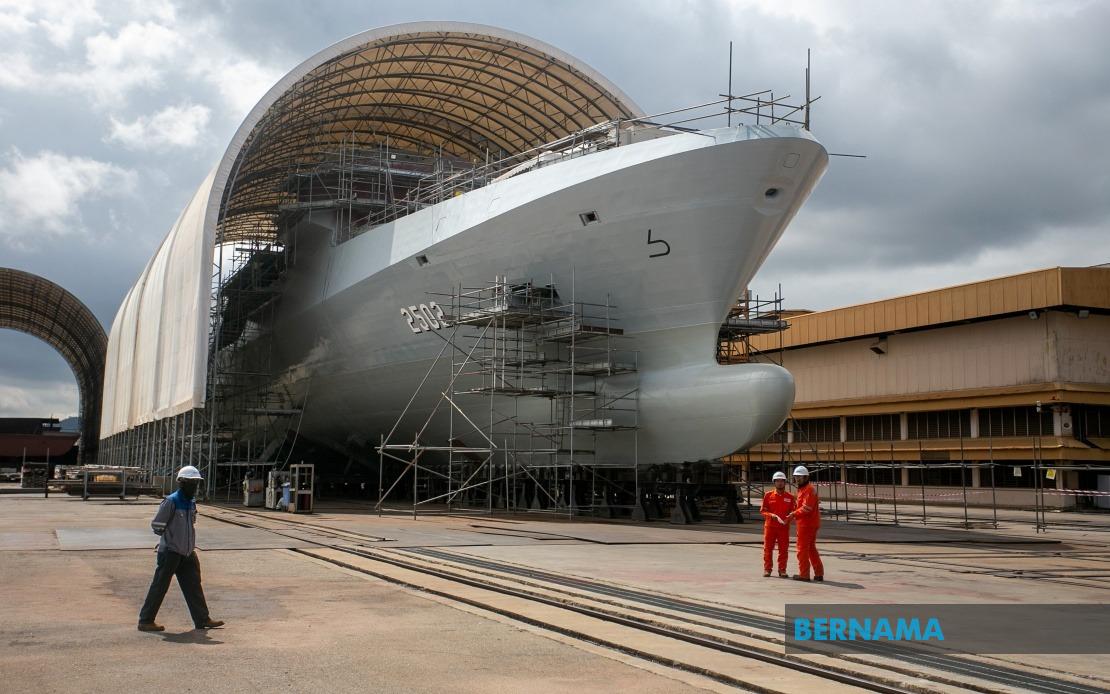
The Littoral Combat Ship project, Malaysia's ambitious maritime capability modernisation initiative, has encountered significant complications with this missile system procurement. The LCS vessels are intended to strengthen the Royal Malaysian Navy's capacity to patrol and defend the nation's extensive maritime boundaries, making the weapons system integral to the platform's operational effectiveness. The Norwegian export licence revocation has created an immediate operational dilemma, forcing defence planners to consider alternative missile systems that might be adapted to the LCS platform, a process that could entail additional costs and timeline disruptions.
Despite the setback with the NSM system, MINDEF emphasised that Malaysia's overall defence posture and the Royal Malaysian Navy's operational capability remain uncompromised. The ministry noted that the RMN continues to maintain and operate existing weapons systems and assets that fulfil the service's maritime defence responsibilities. This reassurance suggests that whilst the NSM component represents a capability enhancement, its unavailability does not create an immediate operational vacuum that would compromise national security. However, the LCS vessels were specifically designed around the NSM system's specifications, and integrating an alternative would require engineering modifications and compatibility assessments.
The RMN is currently engaged in evaluating and assessing alternative missile systems that could potentially substitute for the NSM platform. This comparative analysis will be critical in determining not only technical compatibility but also cost implications and procurement timelines. Several nations operate advanced anti-ship missile systems that might theoretically be adapted to the LCS, though such modifications could require approval from original equipment manufacturers and potentially necessitate additional design work. The evaluation process underscores the complexity of modern naval acquisition programmes, where platform and weapons integration requires careful technical harmonisation.
From a regional perspective, this situation highlights the broader vulnerabilities inherent in defence procurement arrangements involving non-aligned nations, particularly when geopolitical tensions influence export licensing decisions. Malaysia, as a non-aligned country maintaining diplomatic relationships across multiple power centres, can find itself vulnerable to such licensing complications. The Norwegian government's decision to revoke the export licence reflected international concerns regarding the regional security environment rather than dissatisfaction with Malaysia's conduct as a purchaser, yet the consequence has been the same—disruption to Malaysia's defence modernisation schedule.
The incident also raises questions about diversification in defence procurement sourcing. Relying on a single supplier for a critical weapons system, particularly one subject to export licensing by another nation, creates dependency risks that Malaysian defence planners may need to consider more carefully in future acquisitions. This lesson has broader implications for other Southeast Asian nations undertaking military modernisation programmes. The experience suggests that procurement contracts should not only include performance clauses but also contingency provisions addressing scenarios where export licences might be revoked by government action, with predetermined substitution options or compensation mechanisms already negotiated.
The parliamentary questions that prompted MINDEF's response indicate ongoing legislative scrutiny of major defence expenditure, reflecting broader accountability concerns within Malaysia's political system. Hassan Abdul Karim and Mohd Kurniawan Naim Moktar raised substantive questions about both financial stewardship and operational implications, questioning whether Malaysia's defence establishment had adequately protected national interests in negotiating the NSM contract terms. MINDEF's detailed responses suggest the ministry recognised the legitimacy of these concerns and attempted to provide reassurance regarding both the contractual arrangements and the overall strategic impact of the licence revocation.
Moving forward, Malaysia faces a critical decision regarding either recovering its RM571.9 million investment through legal claims against the supplier or redirecting those funds toward acquiring alternative missile systems compatible with the Littoral Combat Ship platform. The timeline for this resolution will influence when the LCS vessels can achieve full operational capability with integrated anti-ship missile systems. The situation underscores the enduring challenges faced by defence ministries in Southeast Asia when acquiring advanced military capabilities through international supply chains that remain subject to external political and regulatory constraints beyond their direct influence.

