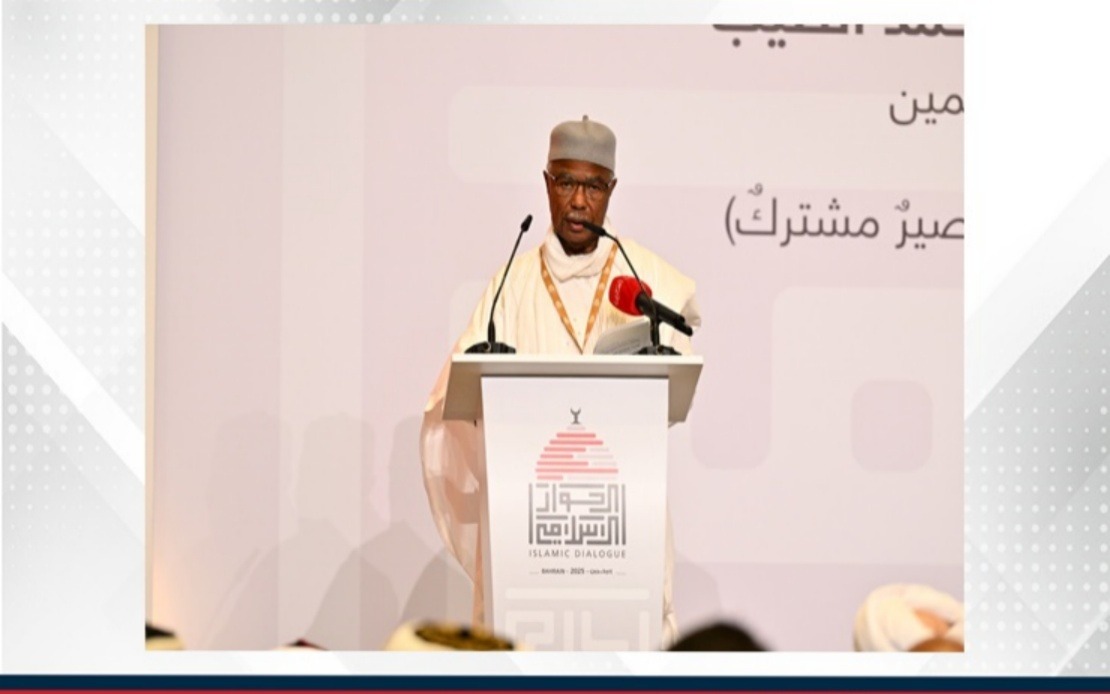
The Organisation of Islamic Cooperation has expressed strong endorsement of the Mecca Joint Defense Agreement concluded among Türkiye, Saudi Arabia, and Pakistan at a summit in the holy city, marking what senior officials describe as a watershed moment for multilateral cooperation within the Islamic world. Signed on Friday at Al-Safa Palace in Mecca, the trilateral pact brings together three significant regional powers with substantial military and diplomatic influence across the Middle East, South Asia, and beyond.
OIC Secretary-General Sharein Brahim Taha underscored the organization's backing for the agreement, framing it as much more than a conventional defense arrangement. In remarks to the media, Taha characterized the accord as reflecting a fundamental commitment by all three nations to deepen regional cooperation while strengthening the broader architecture of international stability. His language suggested the OIC views this pact as emblematic of enhanced unity among Muslim-majority states at a time when geopolitical tensions and security threats continue to reshape the strategic landscape across multiple theatres.
The agreement was formally signed by Turkish President Recep Tayyip Erdogan, Saudi Crown Prince Mohammed bin Salman, and Pakistani Prime Minister Shehbaz Sharif, collectively representing economies and military establishments spanning three continents. The presence of these three high-ranking leaders underscored the political significance each nation attached to the arrangement, with Erdogan travelling to Saudi Arabia—a symbolic gesture given decades of regional rivalry between Ankara and Riyadh—whilst Pakistani leadership participated from a position of deepening strategic realignment in Asia.
According to Turkish officials familiar with the agreement's contents, the arrangement is fundamentally defensive rather than offensive in orientation. The pact explicitly stipulates that it targets no specific country and instead seeks to institutionalize shared commitments to regional peace and global stability through coordinated security approaches. This framing appears designed to address potential concerns from neighbouring states and major powers that might otherwise view the trilateral arrangement as a limiting coalition or containment strategy directed at particular adversaries.
At its core, the Mecca Joint Defense Agreement establishes a binding mutual defense clause whereby any armed aggression against one signatory nation shall be treated as an attack upon all three. This mutual defense commitment represents a significant escalation in the depth of integration among the three parties, moving beyond conventional diplomatic cooperation into explicit security guarantees. Such arrangements carry substantial geopolitical weight, effectively creating a deterrent structure aimed at potential regional aggressors or state actors considering military adventurism.
For Malaysia and other ASEAN nations, the implications warrant careful attention. The agreement demonstrates how major Islamic-majority states are constructing their own regional security frameworks independently of Western-led alliances such as NATO, suggesting a broader trend toward multipolar security arrangements. The pact could influence dynamics within the Organisation of Islamic Cooperation more broadly, potentially elevating Türkiye, Saudi Arabia, and Pakistan into roles of primary leadership within OIC institutions and deliberations on regional security matters.
The timing of this agreement reflects substantial shifts in regional diplomacy. Türkiye has been gradually restoring relations with Saudi Arabia following years of tension rooted in competing interests in Syria, Yemen, and broader Middle Eastern strategy. Pakistan, meanwhile, faces mounting security challenges from militant organizations and conventional military threats from India, making alliance-building increasingly central to its strategic calculus. Saudi Arabia's own security concerns, particularly regarding threats from Yemen's Houthi movement and broader regional instability, have prompted Riyadh to deepen defense partnerships with capable military powers.
Secretary-General Taha's characterization of the agreement as a "fundamental pillar" suggests the OIC regards this arrangement as potentially transformative for how member states approach collective security challenges. The organization, which represents 57 member states with varying capabilities and interests, has historically struggled to forge consensus on security matters. This trilateral pact may indicate that leading Islamic states are pursuing security cooperation outside formal OIC mechanisms, potentially reshaping the organization's relevance in addressing regional threats.
The agreement's emphasis on "burden-sharing" and "common security approach" indicates the three parties intend to move beyond symbolic cooperation toward substantive coordination of military capabilities, intelligence sharing, and joint strategic planning. Such mechanisms typically involve establishing joint command structures, coordinated defense procurement, and integrated operational protocols—arrangements requiring significant institutional development and trust among the partners.
OIC officials expressed hope that the pact would catalyze broader prosperity and peace initiatives throughout the region and globally. This framing suggests the organization views the agreement not merely as a military arrangement but as part of a larger vision for stability that could create conditions for economic development and reduced conflict. However, the emphasis on defense capabilities suggests underlying anxiety about emerging security threats that the three nations believe warrant enhanced coordination and collective deterrence.
For Southeast Asian observers, this development underscores how regional powers are proactively constructing security architectures suited to their particular circumstances rather than relying solely on traditional great power guarantees. The Malaysian government and other ASEAN states may view this agreement as both an opportunity for enhanced cooperation with three strategically important partners and a potential shifting of diplomatic weight within the broader Muslim world toward South Asian and Middle Eastern actors. Understanding this trilateral arrangement becomes essential for countries navigating multipolar regional dynamics where traditional alliance patterns continue yielding to pragmatic, interest-based security partnerships.

