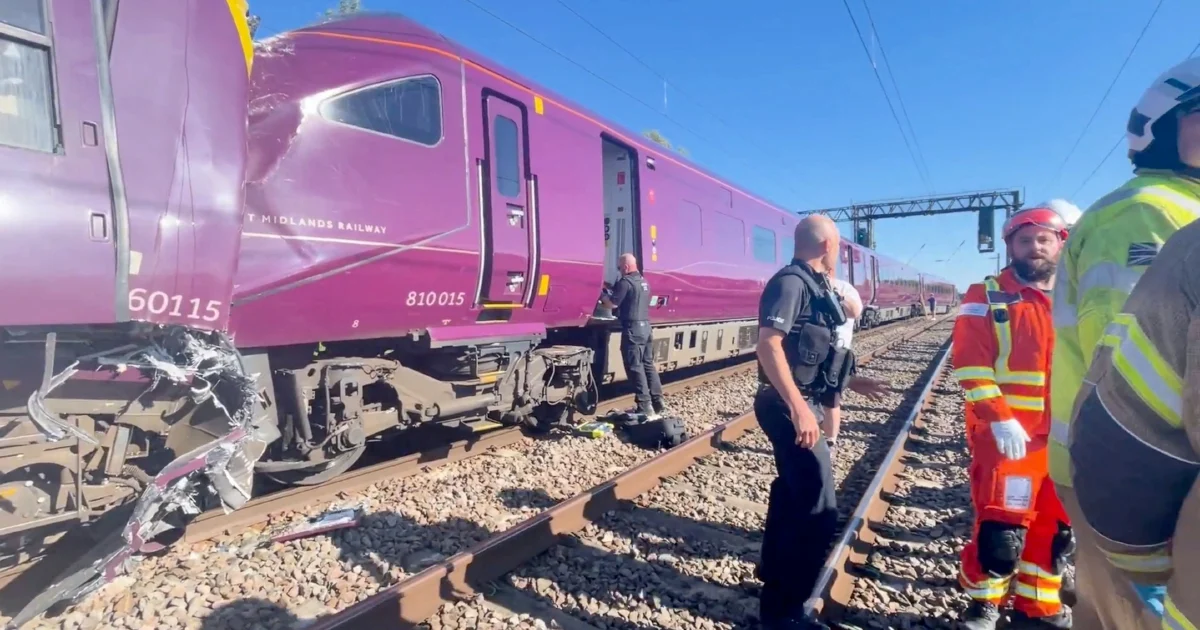
A major transport incident unfolded on Friday when two passenger trains came together in a collision north of London, resulting in one fatality and leaving emergency responders dealing with a significant casualty situation. The crash generated multiple emergency calls, prompting rapid deployment of rescue teams across the affected area. Among the injured, 11 people sustained injuries described as very serious by responding medical personnel, underscoring the severity of the impact between the two services.
The immediate response from UK emergency services highlighted the established protocols for railway incidents, with paramedics, fire crews, and police units mobilising swiftly to the collision site. The scale of the incident required coordination across multiple agencies, and rescue operations focused on extracting passengers from the affected trains and providing urgent medical care to those with the most critical injuries. The nature of railway accidents demands particular attention to structural concerns, as derailments or entrapment of passengers within carriages can complicate rescue efforts significantly.
For Malaysian and regional readers, such incidents serve as a stark reminder of transport safety challenges that span developed and developing economies alike. The UK's rail network, despite decades of safety improvements and investment, continues to experience occasional collisions that demonstrate how human error, mechanical failure, or signalling problems can occur even in established transportation systems. Southeast Asia has been working to modernise rail infrastructure across countries including Malaysia, Thailand, and Vietnam, making the lessons from such accidents particularly relevant for understanding implementation of safety protocols and investment priorities.
The circumstances surrounding Friday's collision remained under investigation as authorities sought to determine the precise cause. Early considerations typically include potential failures in signalling systems, human error by train operators, maintenance issues, or weather conditions that might have affected visibility or track conditions. The investigation phase would normally involve the rail operator, safety regulators, and potentially external experts who specialise in railway accident reconstruction.
This incident raises questions about the resilience of rail networks operating at capacity. In Malaysia and across the region, there has been significant investment in expanding rail capacity to accommodate growing passenger numbers, particularly in urban areas served by commuter networks. The pressure to run frequent services across densely populated routes can create challenges in maintaining adequate spacing between trains and ensuring that braking systems and signalling infrastructure operate flawlessly under all conditions.
The survivors, particularly those with very serious injuries, face a potentially lengthy recovery period. The impact trauma from a train collision typically involves multiple injury types—crush injuries, blunt force trauma, and potential spinal or internal injuries. The UK's National Health Service would mobilise resources across multiple hospitals to distribute the patient load and ensure appropriate specialist care for those most critically hurt.
Railway safety standards in the United Kingdom have evolved considerably since the historic tragedies that shaped modern regulations. The signalling systems, track maintenance schedules, and operational procedures all exist as products of learning from previous accidents and safety reviews. Nevertheless, no system achieves perfect prevention of all incidents, particularly when multiple complex systems interact with human decision-making and response times.
For the region, this incident carries implications for insurance, safety audits, and public confidence in rail transport. As Malaysia expands projects like the Klang Valley Double Track, the Mass Rapid Transit extensions, and other regional initiatives, ensuring that safety culture and infrastructure match the ambitions of increased service capacity remains essential. The cost of accidents—both in human terms and financial compensation—provides strong economic incentive for sustained investment in preventive systems.
The identity of the deceased and the full circumstances of the collision would typically emerge as investigations progressed over the following days and weeks. Authorities would conduct comprehensive inquiries into maintenance records, operator training, signalling functionality, and any other factors that might have contributed to the trains occupying the same section of track. The findings would likely be published in detailed reports that serve as reference material for safety improvements across the railway industry.
This collision also highlights the distinction between passenger numbers and safety standards—growing ridership does not inherently increase safety, but it does increase the consequences of any failure. Malaysia's approach to rail expansion has included significant safety components, yet maintaining that commitment even as networks expand and operational pressures increase remains a constant challenge for operators and regulators alike. The incident in the UK serves as a demonstration that complacency regarding safety protocols can have devastating consequences regardless of how advanced or established a rail system may be.

