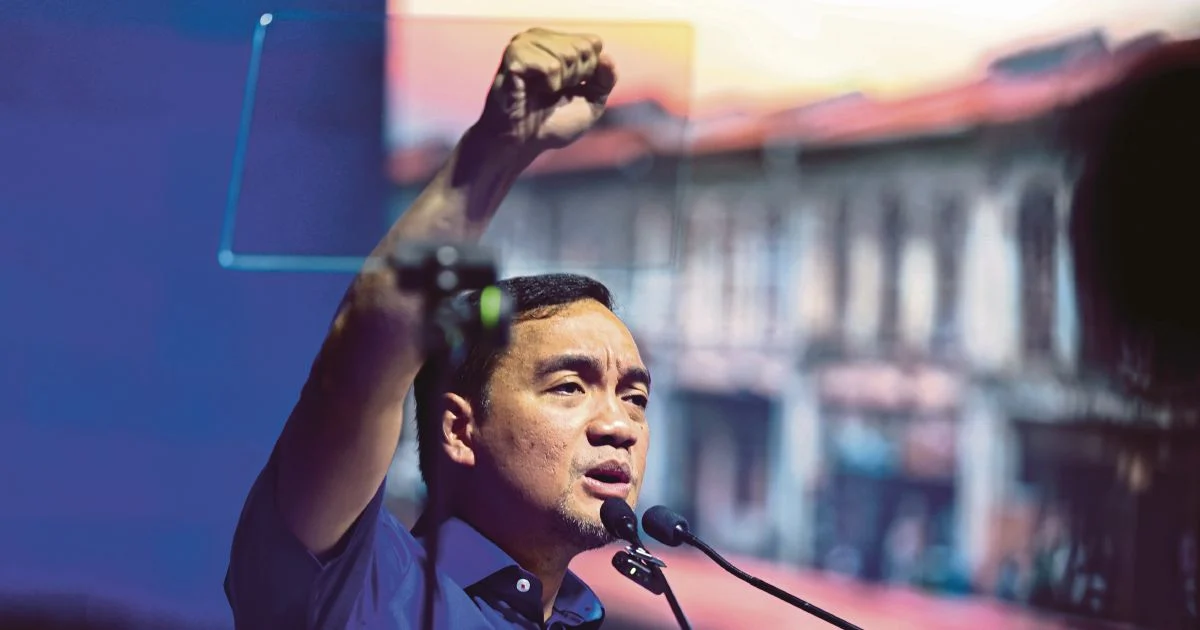
Caretaker Menteri Besar Datuk Onn Hafiz Ghazi is positioning himself to contest the Machap constituency as Johor moves toward its next state election, signalling his determination to secure another term representing the southern region. The announcement underscores the leadership's commitment to maintain continuity in key constituencies during what promises to be a closely watched electoral contest for the state.
Machap, a constituency with significant strategic importance within Johor's political landscape, has been a stronghold for Onn Hafiz's political faction. By declaring his candidacy early, the caretaker menteri besar is establishing clear expectations about his continued involvement in state-level governance and signalling voter confidence in his track record within the constituency.
Onn Hafiz's decision to contest comes at a pivotal juncture for Johor politics. As caretaker menteri besar, he holds executive responsibility for state administration during the pre-election period, a position that carries both advantages and challenges when seeking electoral endorsement. His stewardship of government operations during this transitional phase will likely feature prominently in campaign messaging.
The Machap constituency has historically served as a barometer for broader political trends within Johor. Its composition reflects both urban and rural voting patterns, making it representative of the state's demographic diversity. Securing this seat would be important symbolically for any political formation seeking to demonstrate strength in traditional strongholds.
For Malaysian political observers, the race for Machap represents a microcosm of larger dynamics playing out across Johor. Coalition arrangements, grassroots mobilisation, and constituency-level campaigns will all influence the outcome. The seat's significance extends beyond its electoral votes, carrying implications for power-sharing arrangements and government formation following the state election.
Onn Hafiz's parliamentary experience and administrative background provide him with institutional advantages in campaigning. His tenure as caretaker menteri besar has given him visibility and opportunities to demonstrate governance effectiveness, factors that often resonate with electorate expectations for experienced leadership.
The contest will test his appeal among Machap voters during what promises to be a competitive electoral environment. Opposition parties will undoubtedly scrutinise his performance record and policy positions, while seeking to mobilise their own support bases within the constituency. This dynamic competition characterises contemporary Malaysian electoral politics, particularly in states with competitive two-coalition frameworks.
For Johor specifically, the state election carries significance beyond the southern region. The state's political trajectory influences national coalition dynamics, resource allocation discussions, and the broader balance of power within Malaysia's federal system. A strong showing in seats like Machap would reinforce political momentum heading into any subsequent national electoral contests.
The timing of Onn Hafiz's announcement reflects standard electoral strategy. Confirming candidacy well in advance allows political machinery to mobilise resources, strengthen grassroots networks, and build campaign infrastructure. Early announcement also provides clarity to party workers and supporters regarding leadership continuity and electoral directions.
For Malaysian voters in Johor, the approaching election offers an opportunity to assess state government performance across various portfolios: infrastructure development, education services, healthcare delivery, and economic opportunities. Machap voters will weigh these considerations alongside candidate credentials and party positioning.
The election will occur within Malaysia's broader political context, where coalition formations, inter-party dynamics, and national-level developments influence state-level contests. Johor's electoral outcome may carry implications for coalition stability and political alignments that extend well beyond the state's boundaries.
Onn Hafiz's decision to defend Machap reinforces the seat's importance within both his political calculations and his party's broader strategy for the state. The constituency contest will unfold against a backdrop of evolving Malaysian politics, where electoral dynamics continue to surprise observers and reshape conventional assumptions about political support.

