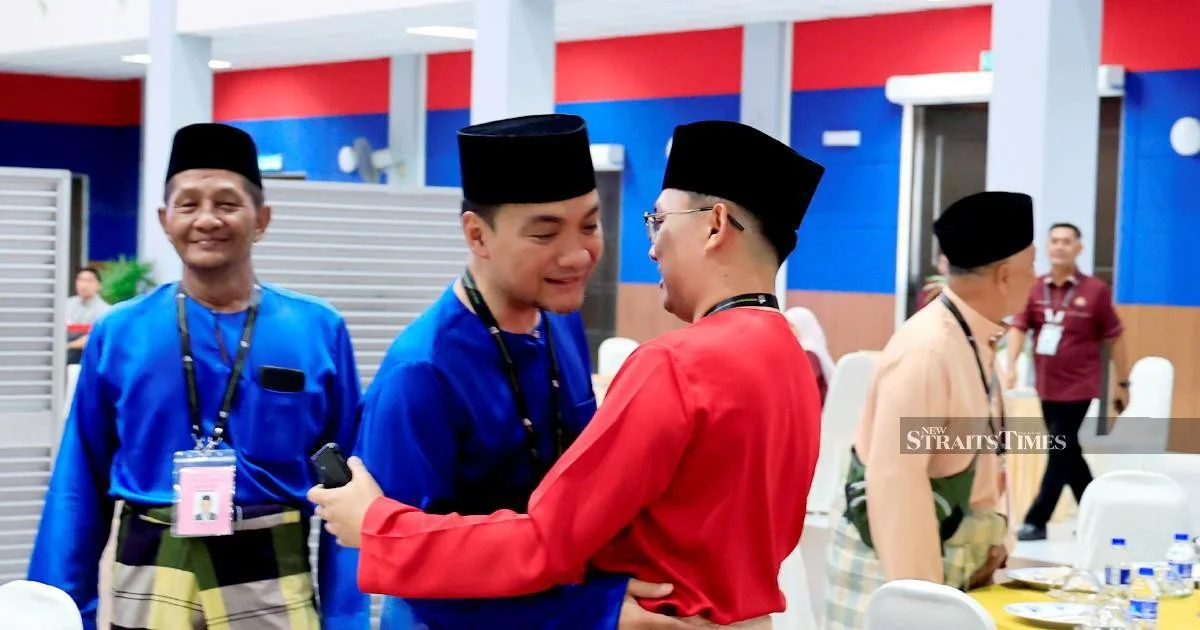
Johor's caretaker Menteri Besar Datuk Onn Hafiz Ghazi is set for a direct confrontation in the Machap state constituency as the race takes shape ahead of the Johor state election. The straight fight between the incumbent Barisan Nasional representative and his Pakatan Harapan challenger has been officially confirmed, setting the stage for what could be a closely watched battle in one of the state's key electoral contests.
Onn Hafiz, who holds the position of caretaker Menteri Besar, will be seeking to retain his seat in Machap, a constituency that holds strategic importance within Johor's political landscape. The confirmation of a two-cornered contest eliminates the possibility of a three-way split that could have complicated the outcome, potentially benefiting either major coalition depending on voter distribution. The binary nature of the contest means both camps can focus their resources and messaging directly on persuading the electorate without the complicating factor of a spoiler candidate fragmenting support.
The Opposition's selection of its challenger represents Pakatan Harapan's determination to challenge Barisan's hold on Johor constituencies. While the Opposition alliance has faced significant headwinds in Malaysian politics in recent years, state-level contests continue to present opportunities to test public sentiment and rebuild organisational strength. Machap, as a straight fight, becomes particularly significant because victory or defeat will carry clear messaging about the relative strength of each coalition rather than being muddied by multi-cornered dynamics.
For Onn Hafiz personally, retaining his seat is crucial not only to his political viability but also to his standing within the Johor Barisan machine. As caretaker Menteri Besar, he remains a central figure in state governance, and electoral validation would strengthen his hand in post-election negotiations and coalition-building. His position as custodian of the state's administration during the election period gives him a platform to demonstrate incumbency advantages, though this also invites scrutiny of governmental performance and policies.
The Machap constituency represents part of the broader Johor electoral landscape where traditional Barisan support structures have long been entrenched, yet where Opposition movements have increasingly made inroads in recent electoral cycles. Understanding the specific demographics and voter preferences in Machap will be essential for both camps. The constituency's economic composition, whether more rural or increasingly suburban, along with its ethnic and socioeconomic makeup, will determine which issues resonate most powerfully with the electorate.
For Malaysian observers and regional analysts, the Johor election carries significance beyond the state itself. Johor has historically served as a barometer for broader national political trends, given its size, economic importance, and status as Malaysia's most developed southern state. Results here can signal shifting voter preferences that may have implications for federal politics and the balance of power between Barisan and Opposition coalitions ahead of potential national elections.
The confirmation of a straight fight in Machap also reflects the broader bifurcation of Malaysian politics into essentially two major competing coalitions. While minor parties exist, the practical reality of electoral competition in most constituencies now revolves around contests between Barisan and Pakatan, with independent candidates rarely emerging as serious contenders in major races. This polarisation has reshaped campaign strategies and voter mobilisation efforts across the country.
Campaign dynamics in Machap will likely centre on economic management, development projects, service delivery, and broader narratives about competence and governance. Barisan will emphasise continuity and its record of managing Johor's economy and infrastructure, while the Opposition will attempt to mobilise dissatisfaction and present an alternative vision for the state's future. For Malaysian voters in this constituency, the choice represents a fundamental decision about direction and leadership at the state level.
The electoral timeline and announcement of a confirmed straight contest also signals that candidate selection processes for both coalitions have advanced sufficiently to allow official confirmation. This clarity allows campaign machinery on both sides to activate fully, beginning the process of voter engagement that will determine the outcome when polling day arrives. For residents of Machap, the direct nature of the contest means their votes will carry proportionally greater weight than in multi-cornered races.

