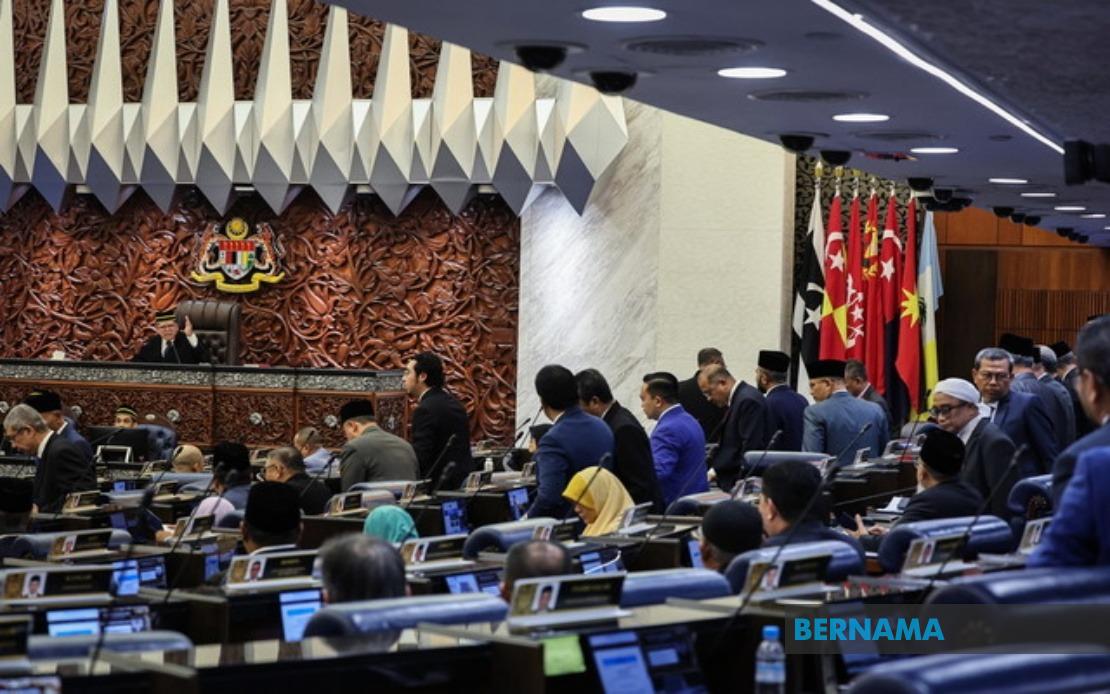
Opposition Members of Parliament staged a dramatic walkout from the Dewan Rakyat on Tuesday, refusing to participate in a ministerial briefing regarding the Royal Commission of Inquiry findings on Lembaga Tabung Haji, the Islamic pilgrimage fund. The coordinated departure underscored growing tensions within parliament over the handling of a report dealing with one of Malaysia's most significant religious and financial institutions, which manages savings and investments for millions of Muslim Malaysians preparing for the hajj pilgrimage.
The protest erupted after opposition lawmakers expressed strong disappointment with Dewan Rakyat Speaker Tan Sri Johari Abdul's decision to allow the special sitting to proceed without the physical presence of Prime Minister Datuk Seri Anwar Ibrahim. The prime minister, along with Deputy Prime Minister Datuk Seri Fadillah Yusof, is currently receiving medical treatment for unspecified health issues, creating a significant leadership vacuum at a moment when parliament was convened to discuss critical governance matters affecting Malaysia's Muslim community.
Perikatan Nasional opposition chief whip Datuk Seri Takiyuddin Hassan had formally proposed postponing the entire special sitting in light of these absences. His motion reflected a principled position held by substantial sections of the opposition: that a briefing on findings concerning Tabung Haji's management and operations—an entity of immense spiritual and financial importance—warranted the presence and accountability of the nation's top political leadership. The proposal, however, did not gain sufficient support to prevent the session from proceeding.
Speaker Johari's handling of the situation proved decisive and somewhat confrontational. Rather than attempt further negotiation with departing MPs, he issued a pointed remark that appeared designed to shame those leaving the chamber by emphasizing that public opinion would judge their actions. His statement—effectively suggesting that citizens were monitoring which lawmakers chose to abandon discussion of matters they deemed important—represented an unusual intervention by the Speaker that blurred the line between procedural management and political commentary.
With opposition members having departed, Johari proceeded to invite Dr Zulkifli Hasan, the Minister in the Prime Minister's Department (Religious Affairs), to deliver the scheduled briefing on the RCI report. The minister then proceeded with his presentation to the remaining lawmakers, transforming what was meant to be a comprehensive parliamentary discussion into a more limited affair attended primarily by government benches.
The Tabung Haji RCI report itself carries significant weight in Malaysian public discourse. The inquiry examined the management practices, operational efficiency, and governance standards of the institution, which holds the savings and investment portfolios of nearly three million registered members. Any findings regarding mismanagement, loss of investor funds, or governance failures could have profound implications for public confidence in Islamic financial institutions and government stewardship of religious endowments.
For Malaysian readers, particularly those with savings in Tabung Haji, the parliamentary walkout raises important questions about legislative accountability and the seriousness with which parliament treats citizen concerns. When opposition lawmakers stage coordinated departures on such matters, they argue they are signalling that the process lacks legitimacy due to absent leadership. However, the counterargument—implicit in the Speaker's remarks—is that boycotting discussion serves neither democratic principles nor the interest of stakeholders seeking clarity about their investments.
The health challenges affecting both the Prime Minister and Deputy Prime Minister have complicated parliamentary operations in recent weeks. Yet this episode suggests that Malaysia's political opposition believes certain matters are too significant to address without the presence of top executive leadership. The walkout reflects broader debates within Southeast Asian democracies about whether ceremonial legislative procedures are adequate substitutes for direct executive accountability, or whether some parliamentary business requires the undivided attention and presence of elected chief executives.
The incident also illustrates the fragility of consensus-building in Malaysia's current political environment. Rather than reaching common ground on whether to postpone the briefing, both government and opposition opted for a confrontational path: one side pressed ahead while the other departed, leaving the public record ambiguous about the adequacy of the discussion that followed and whether Tabung Haji members received the comprehensive parliamentary attention their concerns deserved.
Looking ahead, the walkout may complicate efforts to build cross-party consensus on any reforms or policy responses that might emerge from the RCI findings. If opposition lawmakers view the briefing as illegitimate due to the absence of top leadership, they may be less inclined to support subsequent government initiatives based on the report, even if the recommendations appear sound. This dynamic could slow the legislative response to any governance improvements the RCI identified as necessary.
For Southeast Asian observers, the episode offers insights into how Westminster-derived parliamentary systems function under stress in the Malaysian context. The tension between the Speaker's authority to maintain procedural order and opposition prerogatives to register dissent—expressed here through strategic withdrawal—remains unresolved. Whether future special sittings on sensitive matters will require amendments to standing orders or informal conventions remains an open question for Malaysia's parliament to address.

