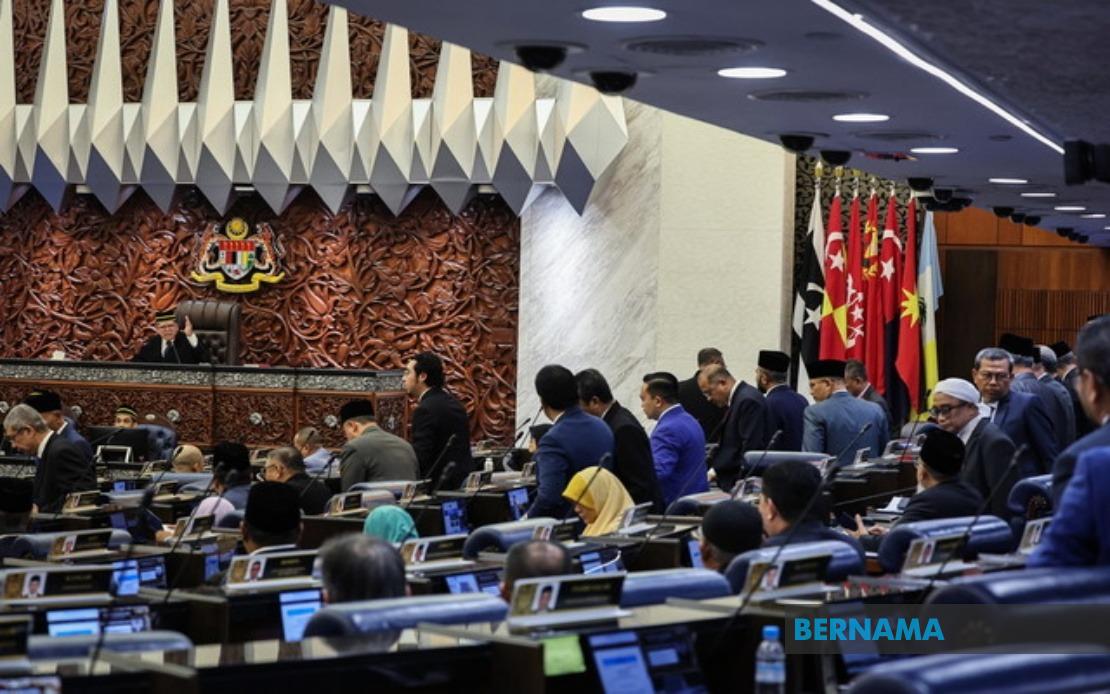
The decision by Perikatan Nasional parliamentarians to abandon proceedings in the Dewan Rakyat during crucial debate on the Tabung Haji Royal Commission of Inquiry report has ignited fresh questions about whether opposition tactics genuinely advance the interests of millions of depositors or merely serve partisan political goals. Opposition Leader Datuk Seri Hamzah Zainudin led the walkout on August 11, joined by PN Chief Whip Datuk Seri Takiyuddin Hassan and PN Chairman Datuk Seri Dr Samsuri Mokhtar, citing the absence of Prime Minister Datuk Seri Anwar Ibrahim and Deputy Prime Minister Datuk Seri Fadillah Yusof, both undergoing medical treatment.
Academic observers have cast the parliamentary exit less as a substantive challenge to government policies and more as a calculated protest manoeuvre designed to generate media attention. Prof Datuk Dr Sivamurugan Pandian from Universiti Sains Malaysia's School of Social Sciences emphasised that abandoning the chamber during debate on an institution affecting millions risks reinforcing a damaging public perception that the Opposition remains indifferent to depositor welfare. The timing and method of the protest matter considerably when considering how citizens interpret parliamentary conduct, particularly among the hundreds of thousands of Tabung Haji contributors nationwide who face genuine anxieties about their retirement savings.
The strategic implications of the walkout merit deeper examination. By departing the chamber, opposition MPs forfeit the opportunity to establish a permanent legislative record of their arguments, questioning, and policy proposals regarding the RCI findings released publicly on July 29. Parliamentary hansard creates an official document that persists indefinitely, available to journalists, researchers, civil society organisations, and future generations seeking to understand how elected representatives responded to matters of national concern. Such records prove invaluable during subsequent electoral campaigns, public inquiries, and historical assessments of parliamentary conduct.
Simvamurugan highlighted a notable contradiction within the opposition's own ranks: certain Opposition MPs chose to remain in the chamber and participate in proceedings, indicating genuine disagreement about the walkout's strategic merit even among allies. This internal discord suggests that reasonable parliamentarians across party lines question whether publicity generated by a dramatic exit justifies abandoning substantive debate. The divergence reveals that opposition unity masks underlying doubts about tactical effectiveness, a vulnerability that government supporters would naturally exploit for their own political advantage.
Publicity and substantive debate operate according to fundamentally different logics in contemporary politics. A walkout generates headlines today and broadcasts across social media, capturing momentary attention and suggesting principled defiance. However, debate creates permanent textual evidence of positions taken, arguments advanced, and policy alternatives proposed. For Tabung Haji depositors seeking genuine accountability and solutions, parliamentary arguments matter more than symbolic gestures. The RCI report itself contains findings that deserve rigorous examination, questioning, and public discourse—precisely the functions that parliamentary debate serves but a walkout prevents.
The government's own failings regarding the Prime Minister's absence during this sensitive debate cannot be dismissed lightly. Sivamurugan acknowledged that the PM's non-participation carries genuine symbolic weight, particularly when addressing an institution that has suffered reputational damage and requires restoration of public confidence. Leadership visibility during critical national moments sends powerful messages about governmental priorities and commitment. However, government responsibility does not automatically vindicate opposition tactics; two wrongs in parliamentary conduct do not produce parliamentary virtue.
Southeast Asian democracies increasingly struggle with balancing theatrical protest against substantive legislative work. Malaysia's own parliamentary traditions have evolved significantly since democratisation accelerated during the 1990s, yet tensions persist between symbolic opposition and constructive engagement. Opposition parties throughout the region face genuine dilemmas about whether to work within institutional constraints or dramatise their exclusion from power through confrontational methods. The Tabung Haji debate illustrates how these strategic calculations affect millions of ordinary citizens whose pension security depends on competent governance rather than parliamentary theatre.
The RCI report itself provides ample material for substantive parliamentary scrutiny. Tabung Haji operates within a unique institutional framework, combining Islamic principles with state pension functions, serving predominantly Bumiputera Muslim workers and their families. The commission's findings presumably address governance failures, financial management weaknesses, and operational inadequacies that contributed to the institution's difficulties. Opposition MPs could have utilised debate to dissect these findings, propose remedial legislation, and establish themselves as champions of depositor interests through detailed analysis rather than departure.
Constitutional scholars and parliamentary practitioners emphasise that legislatures function properly only when opposition parties engage rather than withdraw. Parliament's legitimacy depends on all elected members using their mandate to represent constituents through debate, questioning, and legislative proposal. When opposition MPs vacate their seats during important debates, they effectively cede the parliamentary arena to government without resistance, surrendering the very platform they entered parliament to utilise. Constituents who elected these MPs did so expecting them to advocate forcefully through available parliamentary mechanisms, not abandon those mechanisms in favour of external protest.
The narrative implications extend beyond immediate parliamentary theatrics to fundamental questions about opposition credibility. Observers may reasonably interpret a walkout as disinterest in detailed policy engagement, preferring instead the easier path of protest. Alternatively, sympathetic audiences may view the walkout as principled rejection of governmental arrogance and absence of accountability. Yet serious depositors, particularly elderly Tabung Haji contributors dependent on fund stability, presumably care less about political symbolism than about concrete evidence that their representatives actively fought for their interests through available institutional means.
Moving forward, this episode illuminates broader challenges facing Malaysian parliamentary democracy. Opposition parties require strategies that balance principled critique against constructive engagement. The Tabung Haji debate offered opportunity for opposition MPs to simultaneously protest the PM's absence while remaining present to advocate for depositors. Such dual approaches require greater sophistication than straightforward walkouts, yet represent more politically effective positions. By walking out, opposition MPs gambled that public sympathy would exceed public interpretation of their absence as indifference toward depositor welfare—a bet that analysts suggest deserves scepticism.
The depositor crisis at Tabung Haji demands sustained political attention from across party lines. Millions of Malaysians have legitimate concerns about retirement savings housed within an institution that has experienced documented difficulties. These contributors deserve opposition representatives who marshal evidence, propose solutions, and establish parliamentary records demonstrating serious engagement with their predicament. Whether opposition MPs achieved these goals through their August 11 actions remains highly questionable, despite their undoubtedly sincere political motivations.

