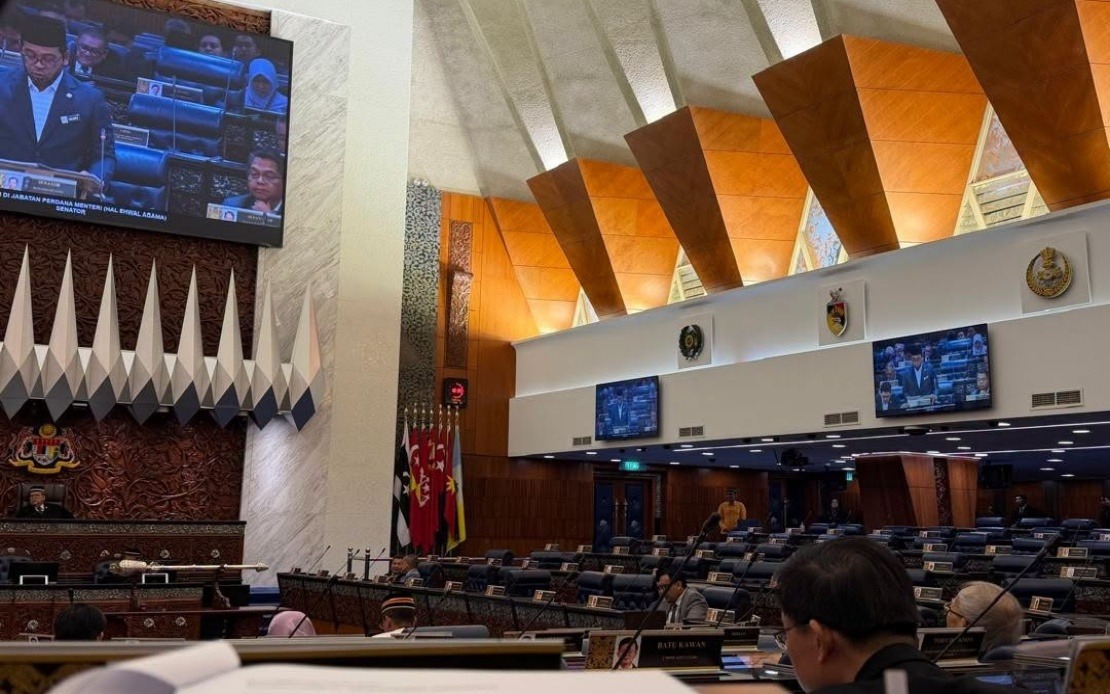
The opposition's decision to leave Parliament during a special sitting examining the Tabung Haji Royal Commission of Inquiry findings represents a troubling abdication of parliamentary responsibility, according to MADANI Government Backbenchers Club chairman Datuk Seri Dr Zaliha Mustafa. The walkout occurred just as Minister in the Prime Minister's Department for Religious Affairs Dr Zulkifli Hasan prepared to brief members on the inquiry's conclusions regarding management of the Islamic pilgrimage savings fund. Dr Zaliha characterised the protest as deeply disappointing, particularly given that opposition parties have consistently positioned themselves as vigorous defenders of Islamic principles and Muslim interests throughout their tenure.
The core of Dr Zaliha's critique centres on what she views as the opposition's abandonment of a meaningful opportunity to hold government accountable. Rather than withdrawing from the chamber, she argues, opposition members could have leveraged parliamentary procedures to question, challenge and rebut each finding presented in the RCI report. The special sitting provided a formal platform for detailed scrutiny, yet opposition MPs chose to forfeit this avenue. Dr Zaliha's question—"who really does not want the Tabung Haji issue debated?"—directly inverts the opposition's implicit narrative that it champions transparency and public accountability on sensitive religious and financial matters affecting Malaysia's Muslim majority.
The Sekijang MP's argument extends beyond mere procedural complaint. She contends that substantive disagreement with RCI findings or government policy decisions warrants parliamentary confrontation grounded in facts and documentation, not symbolic gestures outside the chamber. If opposition parties genuinely believed government actions misrepresented certain facts or failed to adequately protect stakeholder interests, the parliamentary debate offered the proper venue to present counter-evidence and reasoned counterarguments. Walking out, by contrast, surrenders the ability to shape the legislative record and public perception of the report's implications.
Dr Zaliha emphasised the particular gravity of the subject matter, noting that Tabung Haji depositors' funds represent genuine financial stakes for millions of Muslim Malaysians. The fund has faced longstanding governance challenges and public scrutiny over operational transparency and returns on investments. A Royal Commission of Inquiry signals serious institutional concern, making parliamentary oversight of its conclusions and government response a legitimate public interest issue rather than mere partisan theatre. The decision to boycott therefore strikes at the credibility of opposition claims to champion ordinary Muslim welfare, Dr Zaliha argued.
The PKR vice-president indicated that genuinely serious opposition MPs concerned with protecting Muslim interests should have remained in the chamber to engage substantively with the report's findings and their policy implications. This stance reflects a broader parliamentary norm across democracies: accountability mechanisms function only when opposing parties participate constructively, even amid disagreement. Abstention from such processes, whether motivated by protest or tactical calculation, weakens institutional legitimacy and public confidence in governance institutions designed to balance executive and legislative powers.
Opposition MPs justified their withdrawal by objecting to Speaker Tan Sri Johari Abdul's decision to proceed without Prime Minister Datuk Seri Anwar Ibrahim and Deputy Prime Minister Datuk Seri Fadillah Yusof, both receiving medical treatment. Perikatan Nasional chief whip Datuk Seri Takiyuddin Hassan had proposed postponing the sitting given the absence of these senior figures. This procedural objection raises legitimate questions about whether parliamentary proceedings concerning major inquiries should occur without key government leadership present, potentially limiting opportunity for comprehensive executive accountability. However, Dr Zaliha's framing suggests the substantive merits of the TH RCI report warrant parliamentary attention regardless of timing or political positioning.
The walkout incident reflects deeper tensions within Malaysia's legislative culture regarding the balance between procedural objections and substantive parliamentary engagement. Opposition parties across Commonwealth democracies occasionally boycott specific proceedings to register protest, yet such tactics carry political risk. When opposition MPs withdraw rather than participate in scrutiny of matters affecting public welfare—particularly religiously sensitive issues—constituents may interpret this as prioritising partisan advantage over genuine advocacy for affected communities.
For Malaysian readers, particularly those with savings in Tabung Haji, the incident highlights ongoing questions about government transparency regarding the fund's management and the adequacy of institutional safeguards protecting depositors' interests. The RCI report presumably addresses these concerns, yet the parliamentary debate intended to examine recommendations now faces legitimacy questions following the opposition's absence. The public loses the benefit of multi-party parliamentary dialogue that might illuminate risks or alternative policy approaches.
The controversy also underscores tensions surrounding Malaysia's commitment to parliamentary democracy during periods of medical absence among senior leadership. While acknowledging legitimate reasons for postponement, institutional practice must balance flexibility with the principle that major public inquiries warrant timely legislative attention. Allowing such postponements to derail parliamentary scrutiny indefinitely creates governance gaps, particularly on time-sensitive financial and regulatory matters.
Dr Zaliha's challenge to opposition MPs—asking what exactly they seek to accomplish—invites reflection on the strategic calculation underlying their walkout. If procedural disagreement over leadership presence genuinely motivated the protest, opposition parties might have scheduled alternative parliamentary debates once Anwar and Fadillah returned to full duties. If instead the walkout represented substantive disagreement with RCI conclusions, opposition members forfeited their most influential platform for presenting alternative interpretations supported by evidence. Either interpretation suggests missed opportunities for opposition parties to advance stated commitments to Islamic finance transparency and Muslim welfare protection through parliamentary channels designed for such purposes.

