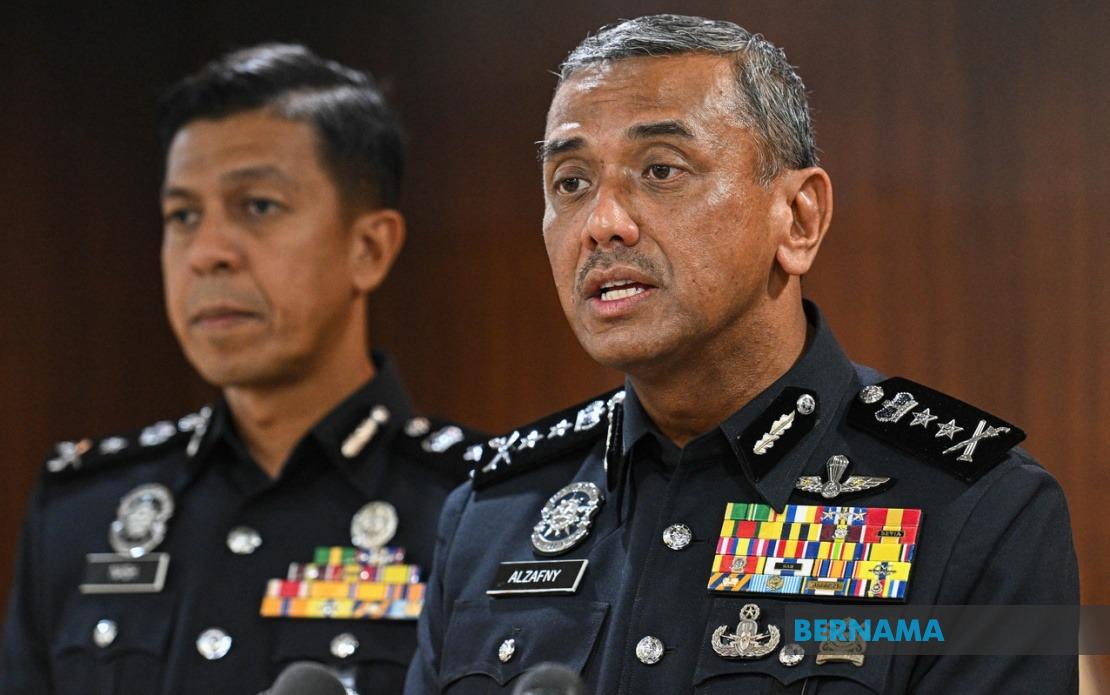
The 16th Negeri Sembilan state election will see unprecedented participation from security forces, with over 22,000 personnel from the Royal Malaysia Police and Malaysian Armed Forces scheduled to vote early. The early voting exercise, set for July 28, reflects the logistical complexity of conducting elections with large cohorts of essential service workers who must remain on duty during the regular polling day on August 1. State police chief Datuk Alzafny Ahmad confirmed the figure during a press conference in Seremban, breaking down the composition to include 5,455 PDRM officers and staff, alongside 16,884 armed forces personnel and their spouses who have been granted early voting privileges.
The decision to permit early voting for these groups acknowledges the operational demands placed on security and defence personnel during election periods. Police and military units must maintain full deployment capacity throughout the campaign and polling phases to ensure national security and public order. By allowing these essential workers to vote before the official polling day, the Election Commission balances democratic participation rights with the practical necessities of maintaining security infrastructure during a politically sensitive period. This arrangement has become standard practice in Malaysian elections involving large contingents of uniformed personnel.
Security deployment for the election process itself will be substantial and carefully calibrated across multiple stages. On early voting day, 1,796 officers and personnel will be stationed across all designated zones to manage the exercise smoothly. The nomination day on the following Saturday will require 2,393 personnel to be on duty, ensuring proper conduct and orderly proceedings as candidates formally register their candidacies. Throughout the campaign period—typically the most volatile phase—1,685 personnel will maintain a steady presence, while the heaviest deployment of 4,788 personnel will be concentrated on August 1 when all voters go to the polls.
Police leadership has taken the opportunity to establish clear expectations for all political actors contesting the election. Datuk Alzafny Ahmad issued a comprehensive set of guidelines designed to prevent the escalation of tensions and maintain the integrity of the electoral process. Candidates and their supporters have been explicitly reminded to exercise restraint and discipline, avoiding actions that could spark communal friction or undermine the election's credibility. The emphasis reflects Malaysian electoral history and the particular sensitivities of conducting elections in a multi-ethnic, multi-religious society where partisan passion can occasionally spill over into social discord.
Particular emphasis has been placed on protecting three sensitive domains: religion, race, and the Royal Institution. These constitute what authorities term the "3R" zones, areas where campaign speech and conduct are subject to heightened scrutiny. Political parties have been advised that speeches, campaign materials, media statements, and social media content must scrupulously avoid touching these subjects in ways that could provoke religious communities, racial groups, or be construed as disrespectful toward the monarchy. This framework reflects constitutional provisions designed to protect foundational national institutions and the multicultural compact that underpins Malaysian society.
The crackdown on misinformation and inflammatory speech carries particular urgency in the digital age. Authorities have signalled zero tolerance for the spread of false information, slanderous attacks, hate speech, and statements calculated to inflame social divisions. The directive extends comprehensively across traditional campaign channels and the sprawling landscape of social media platforms, where unverified claims and provocative content can spread with alarming velocity. Police recognition of this threat indicates a maturing understanding among Malaysian security forces of how modern election campaigns operate and where real dangers to public order can originate.
Unauthorised processions and spontaneous gatherings have also been flagged as concerns. The police directive against such activities suggests a desire to maintain predictability and control during the campaign period, ensuring that opposition groups or supporters cannot organise surprise demonstrations that might provoke counter-demonstrations or create unexpected security challenges. This reflects a preventive approach to election management, seeking to head off potential confrontations before they develop rather than merely responding to disruptions after they occur.
The Election Commission has structured the entire electoral calendar with precision. Nomination day falls this Saturday, followed by the early voting window on July 28, and culminating in the main election day on August 1. This compressed timeline—with less than a week between nomination and the earliest voting opportunity—represents a relatively tight schedule that limits the length of the formal campaign period. The brevity may serve to reduce the window for tensions to build, though it simultaneously compresses the timeframe within which candidates must reach voters and articulate their platforms.
Authorities have also emphasised the importance of democratic maturity in accepting election outcomes. All stakeholders have been reminded that once the Election Commission announces official results, the appropriate response is gracious acceptance of the democratic verdict. Candidates with grievances are directed toward established legal channels for contesting results, rather than resorting to street-level protests or actions that could destabilise public order. This messaging underscores the understanding that elections, while inherently competitive, must culminate in a peaceful transition of power or confirmation of existing arrangements.
The focus on maintaining discipline among supporters reflects recognition that political party leaders cannot always control the behaviour of grassroots activists and supporters who may act on their own initiative. By holding candidates and party officials accountable for the conduct of their supporters, authorities create incentives for party leadership to exercise internal discipline and messaging discipline. This cascading responsibility has proven effective in previous Malaysian elections in moderating overall campaign conduct, as party leaders recognise their stake in preventing supporter misconduct.
For Malaysian and Southeast Asian observers, the Negeri Sembilan election offers a window into how a mature electoral democracy manages the intersection of security concerns, democratic participation, and communal harmony. The careful calibration of police presence, the specific restrictions on campaign speech, and the emphasis on orderly conduct reflect lessons learned from decades of electoral experience in a diverse society. The explicit guidelines serve not merely as enforcement mechanisms but as signals to political actors about acceptable and unacceptable behaviour, helping establish norms that transcend any single election cycle.
The presence of over 22,000 security personnel participating as voters, combined with another layer of personnel deployed to manage the election itself, underscores the scale of institutional mobilisation required to conduct elections in Malaysia. The Negeri Sembilan exercise will serve as a test case for election management practices that will likely be replicated in subsequent state and federal elections, making the procedural choices made here potentially consequential for the broader trajectory of electoral administration in the country.

