The Parti Pesaka Bumiputera Bersatu (PBB) is preparing for a significant gathering in Sarawak's interior division this month, with over 3,000 party members converging on Sibu for a special convention that signals renewed momentum within the ruling coalition's state machinery. The July 26 event at the Sibu Indoor Stadium will bring together delegates representing 24 branches across the central zone, making it one of the larger party assemblies scheduled for the year across Sarawak's four geographical zones.
According to Datuk Seri Alexander Nanta Linggi, who holds the position of secretary-general within the party hierarchy, the central zone has been designated to lead the way in hosting these special conventions ahead of parallel gatherings planned for the southern, Betong, and northern zones later in the year. The sequential staging of these regional conventions suggests a carefully orchestrated party renewal process, allowing PBB leadership to engage with grassroots membership across different parts of the state while maintaining thematic consistency across all gatherings. The decision to begin with the central zone reflects Sibu's continued importance as a significant PBB stronghold.
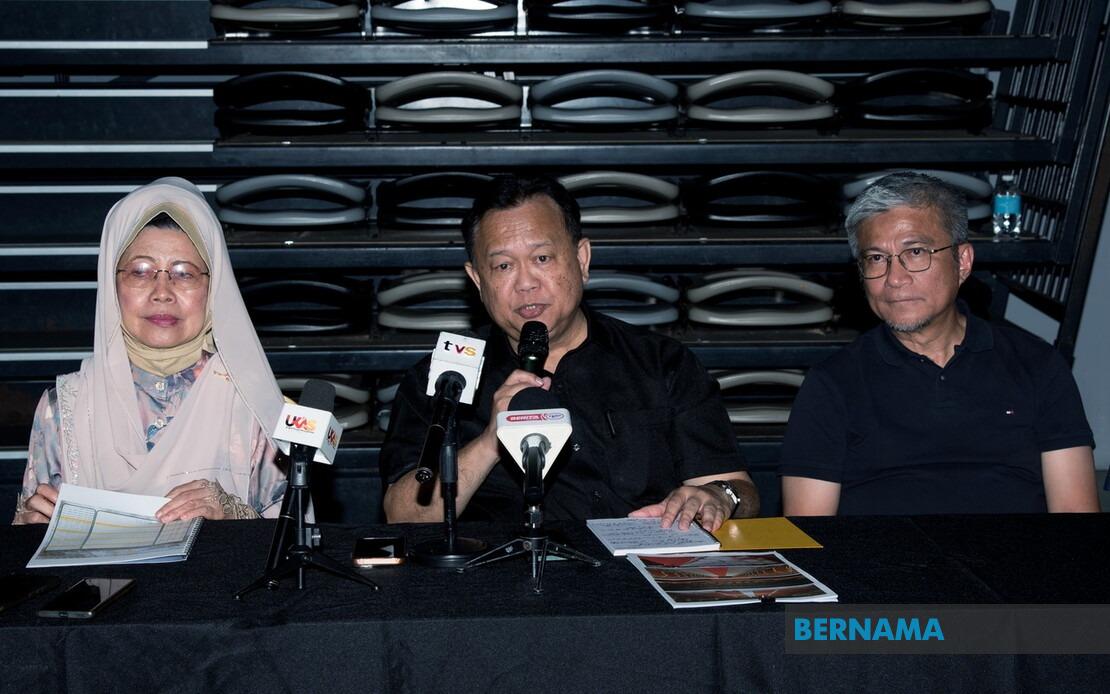
Preparations for the convention reached an important milestone when the organising committee convened to map out logistics and ensure all elements of the event would function without disruption. Nanta Linggi, speaking to journalists following this coordination meeting, emphasised the committee's focus on execution details, suggesting that the party views this convention as an opportunity to project organisational competence and unity to both members and the broader public. The careful planning underscores how contemporary Malaysian political parties treat such gatherings as platforms for demonstrating internal cohesion.
The convention's agenda reflects pressing concerns at both state and federal levels, beginning with a dedicated presentation on the Malaysia Agreement 1963, commonly abbreviated as MA63. This foundational constitutional document remains central to Sarawak's political identity and relationship with the federal government, making its inclusion in the convention programme a strategic choice that connects party activities to broader issues of state autonomy and constitutional safeguards. For Malaysian readers unfamiliar with Sarawak's particular constitutional position, MA63 established the framework under which Sarawak joined the Malaysian federation and continues to shape discussions about resource control, immigration, and legislative authority.
Alongside the constitutional focus, party delegates will receive briefings on the Post COVID-19 Development Strategy 2030, or PCDS 2030, indicating that PBB remains engaged with medium-term planning beyond immediate electoral cycles. This strategic document addresses how Sarawak intends to rebuild and expand its economy in the post-pandemic environment, touching on infrastructure development, sectoral growth priorities, and potentially the state's positioning within broader regional trade frameworks. By incorporating this into a party convention agenda, PBB leadership signals to members that party activities remain tethered to government deliverables and policy outcomes.
The convention programme will also address what organisers describe as several other issues, including political matters, though the specific topics remain undetailed in public announcements. In the context of Malaysian politics, such convention discussions typically encompass party positioning ahead of electoral cycles, internal governance matters, and responses to developments at the federal level. Given that Malaysia periodically enters campaign periods, conventions of this scale often serve as venues where party members receive strategic briefings about electoral readiness and messaging priorities.
Sarawak Premier Tan Sri Abang Johari Tun Openg, who simultaneously holds the presidency of PBB, will formally open the convention and deliver remarks to the assembled delegates. As both state chief executive and party leader, Abang Johari's presence and address carry dual significance: they underscore the integration between party structures and state administration, while also providing an opportunity for him to articulate policy priorities and vision directly to party membership. His remarks will likely emphasise continuity of governance, accomplishments of the PBB-led state administration, and the party's role in defending Sarawak's interests within Malaysia's federal structure.
The gathering in Sibu carries particular resonance because the city remains one of Sarawak's most politically significant centres, located in the state's interior and serving as a crucial electoral battleground. Hosting the inaugural zone convention in Sibu rather than in Kuching, the state capital, suggests that PBB leadership wishes to emphasise grassroots engagement across the state rather than concentrating symbolic activities in the administrative centre. This approach reflects modern political strategy wherein central leadership periodically relocates important gatherings to regional centres to reinforce messages about inclusive representation and commitment to all constituencies.
For observers of Malaysian politics, particularly those tracking Sarawak's role within national coalitions, this convention series provides insight into how state-based political machinery maintains internal discipline and cohesion. PBB's approach to staging sequential zone conventions across the state demonstrates a methodical strategy for managing a large and geographically dispersed membership base while ensuring consistent messaging on key policy areas. The focus on constitutional matters, development strategy, and political positioning suggests an organisation attuned to both local aspirations and federal-level dynamics.
The attendance of over 3,000 delegates itself warrants consideration as an indicator of party health and member engagement. Such substantial participation in party conventions, maintained across multiple zones throughout the year, reflects either genuine grassroots enthusiasm or effective party machinery in mobilising membership—or most likely, a combination of both. In Malaysian politics, where party conventions sometimes struggle to attract substantial attendance, PBB's demonstrated capacity to convene thousands of delegates speaks to either the party's continued relevance or its operational effectiveness, and likely both.
Looking ahead, the central zone convention in Sibu will likely set the template for subsequent gatherings in other zones, establishing themes and messaging that party members will carry back to their respective branches and constituencies. The success or otherwise of this July 26 event will therefore have implications extending beyond Sibu itself, influencing how PBB's broader membership subsequently engages with party strategy and government policy initiatives across Sarawak's vast territory.

