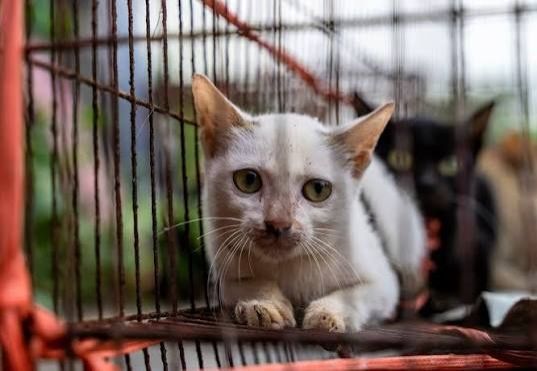
Vietnamese authorities have dismantled a sophisticated cat-theft operation in Ho Chi Minh City, leading to the recovery of more than 400 live animals and the successful return of at least 40 felines to their owners. Nine suspects were apprehended last week following an investigation into what police described as a "criminal group specialising in stealing and collecting cats", according to the Ho Chi Minh City police's official publication. The scale of the operation shocked animal welfare advocates, who praised law enforcement for taking decisive action against the gang that had allegedly operated across southern Vietnam for three years.
The raid yielded a disturbing haul that underscores the scope of the criminal enterprise. Authorities confiscated over 400 living cats alongside 80 carcasses preserved on ice, indicating the animals were destined for the food market. Police conducted an additional search at a separate facility, recovering 21 more cats. The sheer volume of animals seized suggests this was not a small-time operation but rather a coordinated network with storage facilities and distribution infrastructure designed to supply cat meat to restaurants and vendors.
The investigation began in response to mounting complaints from residents experiencing pet thefts throughout Ho Chi Minh City. Police determined that the suspects had developed a systematic approach to capturing cats, using luring and trapping techniques refined over several years of criminal activity. Upon arrest, the nine individuals confessed to their involvement in the scheme, providing investigators with details about how they sourced, transported, and sold the animals. The confessions helped authorities understand the scope of theft affecting the city's pet-owning population.
While cat and dog meat consumption remains legal in Vietnam, the trade operates within a regulatory framework theoretically designed to ensure animal welfare and traceability. Restaurants and vendors are permitted to openly advertise cat meat on their menus, and the practice carries no legal stigma in parts of Vietnamese society. However, regulations require that all vendors obtain and maintain certificates of origin documenting where the animals originated. The theft ring's operation fundamentally violated this requirement by sourcing animals through illegal capture rather than through regulated channels, making the suspects' activities criminal regardless of the ultimate use of the animals.
The recovery effort has produced heartwarming reunions for some pet owners. Humane World for Animals, an international animal welfare organisation, confirmed that at least 40 stolen cats have been returned to their families. In a statement released on Tuesday, the group commended police for the "decisive action that has saved the lives of so many animals" and highlighted the emotional significance of reuniting pets with owners who had reported them missing. These reconnections represent a small but tangible victory for animal welfare advocates in a region where pet theft had become an increasingly serious problem.
However, the triumph is tempered by the grim reality of what the rescued animals endured during their captivity. Humane World for Animals reported that approximately 100 of the recovered cats died following their rescue, the result of injuries, illness, and stress sustained during their time in the theft ring's custody. The animals had been kept in conditions unsuitable for long-term survival, and the trauma of capture and transport took a severe toll on the feline population. This death toll underscores the brutality of the operation and the suffering inflicted on creatures that had been stolen from homes where they received proper care.
The ongoing challenge facing authorities and welfare organisations involves the fate of cats still being held at police stations as evidence in the criminal case. Until the prosecution concludes, these animals cannot be released to sanctuaries or owners, leaving them in a legal limbo that extends their detention. Karanvir Kukreja, representing Humane World for Animals, expressed particular concern for these remaining cats, emphasising that their welfare during the prosecution process remained a priority. The statement indicated that welfare organisations have stepped in to supplement official care by donating food supplies to the detained animals.
Animals confined to police facilities face challenges distinct from those in dedicated shelters or sanctuaries. Police stations are not designed or staffed for long-term animal care, creating risks related to temperature control, sanitation, nutrition, and psychological wellbeing. In Vietnam's tropical climate, overheating presents a particular danger for confined animals during extended detention. Recognising this threat, Humane World for Animals announced it was arranging delivery of fans to the police station housing the cats, a practical intervention designed to protect the animals from heat-related illness during the months-long prosecution timeline.
The bust reveals broader patterns of organised animal crime in Southeast Asia that extend beyond Vietnam. Pet theft networks operate with increasing sophistication across the region, exploiting weak enforcement and high demand for animal products in certain markets. The three-year operational history of this particular ring suggests it had developed reliable distribution networks and customer bases before police intervention, indicating that similar operations likely continue operating in neighbouring countries and beyond. The case demonstrates that determined police work can disrupt these networks, but sustained effort and international cooperation will be necessary to address the underlying problem.
For Malaysia and other Southeast Asian nations, the Vietnam case offers important lessons about the risks posed by organised animal trafficking. While the cultural context differs across the region, organised crime exploiting animal trade infrastructure presents similar challenges everywhere. The sophistication of the Vietnamese operation—with luring techniques, storage facilities, and distribution networks—mirrors patterns seen in other forms of organised smuggling. Malaysian authorities monitoring pet theft trends should study the investigation techniques employed by Vietnam police and consider whether similar networks operate domestically, particularly in urban areas experiencing rising reports of missing pets.